Assessing acute kidney injury during administration of nephrotoxic drugs
Introduction The physiological and anatomical changes in the paediatric population can influence drug disposition in the body. Pathological changes, such as acute kidney injury (AKI), can further affect drug concentrations in the body and renally adjusted doses may be required. Conversely, when administering drugs with nephrotoxic potential regular renal monitoring is necessary. The following out
Introduction
- The physiological and anatomical changes in the paediatric population can influence drug disposition in the body.
- Pathological changes, such as acute kidney injury (AKI), can further affect drug concentrations in the body and renally adjusted doses may be required.
- Conversely, when administering drugs with nephrotoxic potential regular renal monitoring is necessary.
- The following outlines the assessment of acute kidney injury in children on drugs with nephrotoxic potential.
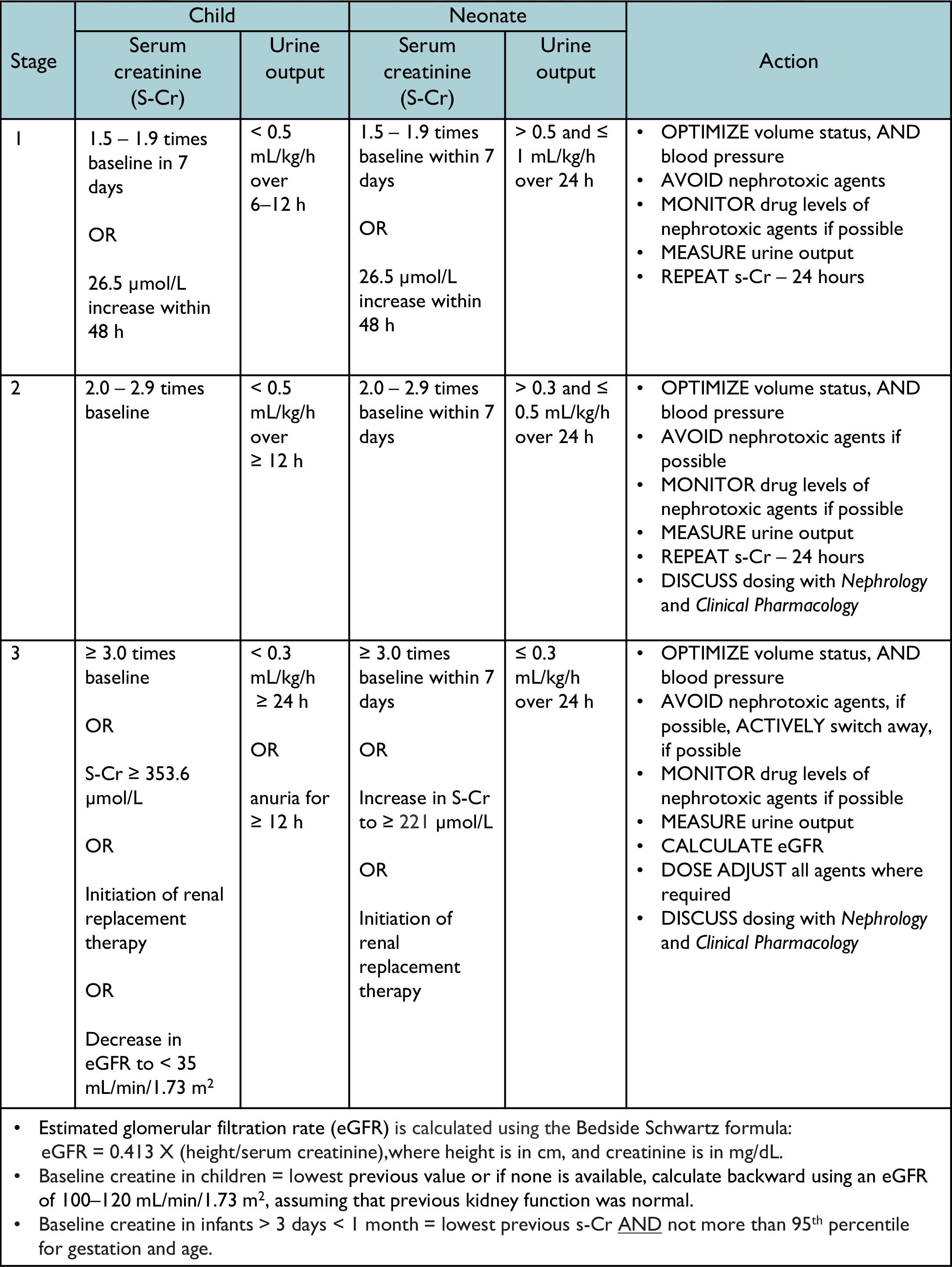
Definition: Acute kidney injury (AKI) is a decrease in glomerular filtration rate (GFR), that is manifested by an elevation in serum creatinine (S-Cr) from baseline, and/or a reduction in urine output. AKI is staged according to the Kidney Disease: Improving Global Outcomes (KDIGO) as per Table 1.
Risk factors include:
- Acute-severe illness
- Nephrotoxin exposure (e.g. NSAIDS, antibiotics, furosemide, contrast, etc)
- Comorbidities (e.g. sickle cell vaso-occlusive crisis, congenital heart disease)
Assessing renal function
- Urine output is VERY important. It reflects perfusion and function, and where AKI is suspected should preferably be monitored with a catheter.
- Review S-Cr but remember the following caveats:
- S-Cr reflects GFR in individuals at steady state with stable kidney function.
- Affected by several factors.
- Increases in S-Cr is often delayed.
- S-Cr does not accurately reflect the GFR in a patient whose kidney function is changing.
- In neonates initial S-Cr reflect maternal S-Cr.
Table 1: KDIGO Classification of acute kidney injury and suggested actions in neonates and children receiving nephrotoxic drugs
Click on image to enlarge
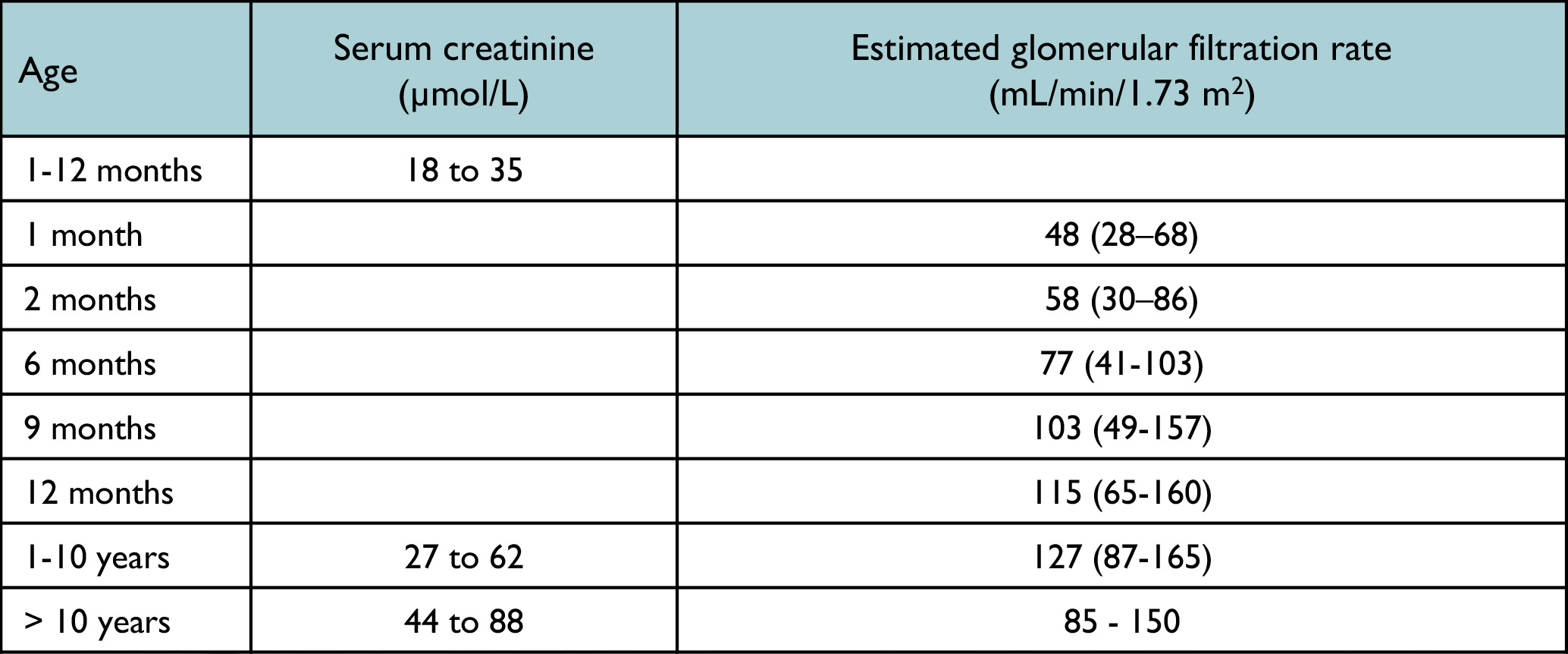
Table 2A: Estimated normal values for infants and children older than 1 month in the paediatric wards
Click on image to enlarge
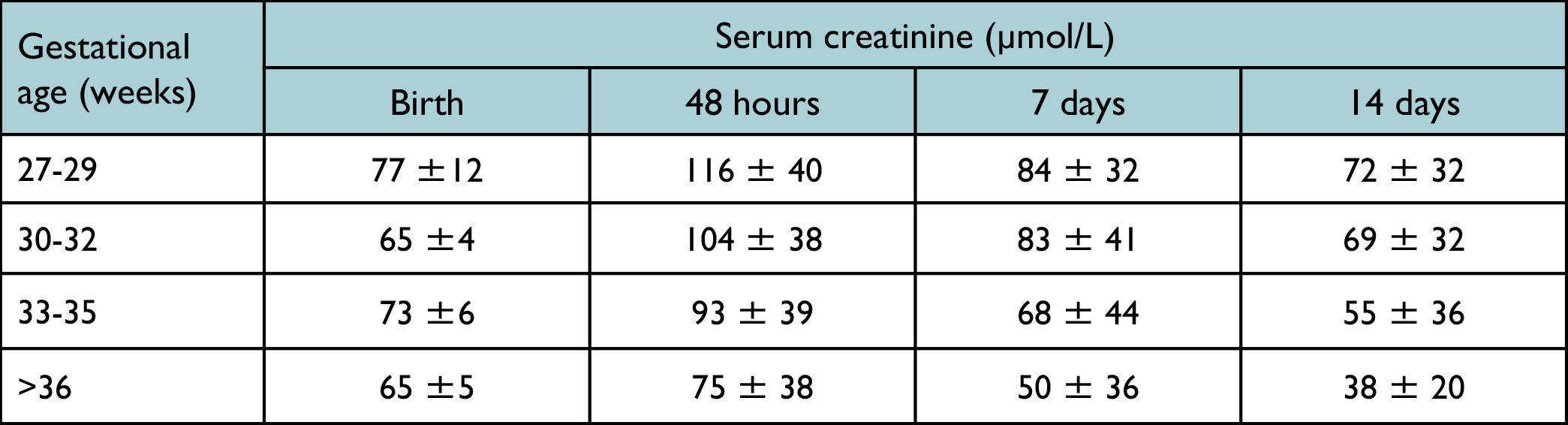
Table 2B: Creatinine reference ranges for all neonates and all infants in the baby wards
Click on image to enlarge
Click here to view PDF version of this bulletin