Bipolar and Related Disorders
Description General measures Medicine treatment Referral ICD-10 code: F06.3/F30.0-2/F30.8-9/F31.0-9/F34.0/F34.8-9/F38.0/F39 + (F10.0-F19.9/R45.0-8/Z65.0- 5/Z65.8-9/Z81.0-4/Z81.8) Description Bipolar disorder (BD) is a heterogeneous illness with a high overlap in genetic risk with depression and schizophrenia. It usually follows a chronic, relapsing course, commonly starting in youth. The go
ICD-10 code: F06.3/F30.0-2/F30.8-9/F31.0-9/F34.0/F34.8-9/F38.0/F39 + (F10.0-F19.9/R45.0-8/Z65.0- 5/Z65.8-9/Z81.0-4/Z81.8)
Description
Bipolar disorder (BD) is a heterogeneous illness with a high overlap in genetic risk with depression and schizophrenia. It usually follows a chronic, relapsing course, commonly starting in youth. The goal of care is euthymia and optimal functioning according to the person’s ability.
BD may present with:
- An episode of depression, hypomania, mania, or mixed mood symptoms.
- Psychosis.
- Treatment-resistant depression and/or anxiety.
- Consequences of disturbed behaviour and/or comorbid substance use.
- Depression in women; men are more likely to present with disruptive behaviour.
Diagnostic requirements over the lifetime course include:
- Bipolar I disorder (BD I): An episode of mania.
- Bipolar II disorder (BD II): An episode of hypomania and depression.
- Other specified BD (BD OS): Symptoms of BD plus clinical distress and/or functional impairment, but full Diagnostic and Statistical Manual criteria are not met.
- BD due to another medical condition: direct physiological cause for the bipolar symptoms from another illness, e.g., right-sided cortical or sub-cortical lesions.
Bipolar disorder during pregnancy and the post-natal period is associated with preeclampsia, preterm delivery, and low birth weight babies. The risk of relapse is high, especially postpartum. Psychotic episodes may be dangerous to the mother, baby, or others (See PHC STGs and EML: Maternal mental health).
General Measures
Assess and manage in consultation with a psychiatrist.
Risk to self and others is high in BD and unpredictable – repeated risk assessments and a biopsychosocial approach to care is recommended.
Acute management
- Mania, severe depression, and psychosis require urgent hospitalisation in a psychiatric unit, often as an Assisted or Involuntary MHCU.
- Investigate for causative medical conditions, medications, substances.
- Optimise management of comorbid medical illness and substance use.
- Stabilise the immediate mood; electroconvulsive therapy may be required.
- Commence long-term treatment strategy.
- Avoid premature discharge and ensure continuity of care post-discharge.
Long-term management
- Individualise management according to the course of illness, cognitive functioning, insight and judgement, and social circumstances.
- Assertive nursing with adherence monitoring is required.
- Screen for and manage comorbid medical illnesses (thyroid disease, HIV/AIDS, cardiovascular and pulmonary disease, epilepsy, diabetes, obesity).
- Screen for, and manage, substance use.
- Psycho-educate the patient, family, and carers on the nature of the illness, the need for continued treatment, how to self-monitor, early signs of relapse, and the need for structure and routine.
- Refer to support groups, e.g., SADAG (www.SADAG.org) or South African Federation for Mental Health (www.SAFMH.org.za).
- Refer to occupational therapy, if available, for insight, motivation, and vocational rehabilitation.
- Delay important decisions until full recovery from an acute episode; a custodian/curatorship/power of attorney may be required.
- Refer to a social worker for placement in a residential home, day care, or sheltered employment/workshop as needed.
Women in reproductive age-group (See Primary Health Care STGs and EML, Maternal mental health).
- Advise family planning – psycho-educate re need to plan pregnancy and comply with antenatal care.
- Manage pregnancy and postpartum period as high-risk for adverse events.
- Select treatment options which are relatively safe in pregnancy.
Medicine Treatment
Treatment choice depends on course of illness; gender; comorbid medical conditions, substance use, or psychiatric conditions; and risk of non-adherence. Acute treatment should incorporate a long-term strategy. Combinations of medicines may be required, particularly in depression (See algorithms below).
Lithium is first-line option for long-term treatment:
- Response takes ± 1 week in mania and 6–8 weeks in depression
- Prevents manic episodes by up to 40-50% and depressive episodes by up to 20-30% and reduces aggression, self-harm, and suicide.
- Lithium, oral, usual dose range 200–600 mg at night, depending on desired blood levels.
- Pre-treatment: check eGFR, TFTs, calcium, and ECG in patients with cardiovascular risk factors. Proceed if eGFR and ECG are normal, and any thyroid or parathyroid disease is treated.
- Initial dose: 400 mg (200 mg in elderly or high risk for renal disease).
- Measure plasma trough concentration (at least 12 hours after previous dose):
- First measurement: After 5 days of treatment
- Then 7 days after each dose change
- Then at 1 month and 3 months of treatment
- Document the number of hours since the last dose on the blood request form.
- Lithium has a narrow therapeutic window. The therapeutic reference ranges are:
- Acute mania: 0.8–1.0 mmol/L
- Prevention of mania: 0.6–0.8 mmol/L
- Prevention of depressive relapse: 0.4–0.8 mmol/L
- Monitor lithium level and eGFR 6-monthly (3-monthly in elderly or medical comorbidity), and TSH and calcium annually.
CAUTION - LITHIUM
- Abrupt discontinuation may precipitate mania – taper slowly over 4 weeks.
- Adverse effects include nephrogenic diabetes insipidus, interstitial nephritis, chronic kidney disease; hypothyroidism; hyperparathyroidism; tremor.
- Toxicity occurs with levels >1.2 mmol/l (results in anorexia, nausea, diarrhoea, muscle weakness, drowsiness, ataxia, disorientation, seizures, coma, and death). Manage as for lithium poisoning (see Lithium poisoning).
- Risk of toxicity is increased with change to a low salt diet, dehydration, drug-drug interactions (diuretics, ACE-inhibitors, NSAIDs).
- Therapeutic drug monitoring is essential when using lithium.
- Clinical toxicity may even occur within the therapeutic range.
If patient has depressive symptoms and lamotrigine is poorly tolerated or not effective:
- Quetiapine, oral, usual dose range 100–300 mg at night (specialist prescribed).
- Titrate to clinical effect, e.g.: Day 1: 50 mg. Day 2: 100 mg. Day 3: 200 mg. Day 4: 300 mg.
- In the elderly and patients with hepatic impairment: Start with 25 mg and titrate up more slowly according to clinical effect.
PREGNANCY AND BREASTFEEDING
Valproate:
- Contraindicated in women of childbearing potential due to high teratogenic risk (10%) and adverse neurodevelopmental outcomes (40%) with any pregnancy exposure. If no alternative, acknowledgment of risk must be signed: https://www.sahpra.org.za/wpcontent/uploads/2020/08/6.28_Valproate_Annual_Risk_Acknowledgement_ Form_Dec18_v1.pdf
LoE: IIIbxxxi
- If already on valproate: consult specialist and cross-titrate to an alternative medication if possible. Ensure folic acid supplementation (See PHC STGs and EML, Psychiatric patients – General monitoring and care).
- Avoid valproate in breastfeeding as there is insufficient evidence to be sure of safety and it may be associated with adverse neurodevelopmental outcomes.
LoE: IIIbxxxii
Lithium:
- 1st trimester exposure is associated with increased risk of congenital anomalies.
- Refer for a fetal anomaly ultrasound at 18–22 weeks gestation.
- Adjust dose with physiological changes of pregnancy according to blood levels: monitor levels monthly, then weekly after 36 weeks and postpartum.
- Monitor fluid balance during and after delivery.
- Neonatal complications: goitre, nephrogenic diabetes insipidus, cardiac arrhythmias, cardiac failure, hypotonia, and lethargy.
- Excreted in breast milk, risk to the infant is unknown but toxicity may occur: breastfeeding is not recommended.
LoE: IIIbxxxiii
Lamotrigine:
Increased hepatic clearance in pregnancy, but returns to normal post-partum; increase dose if necessary, according to clinical response and Figure 15.4 below.
May cause a rash in breastfed infant.
LoE: IIIbxxxiv
Antipsychotics:
- Considered safe, particularly quetiapine.
- They may increase the risk of gestational diabetes and obesity (especially olanzapine and clozapine).
- Clozapine: Do not stop in pregnancy due to risk of relapse of severe mental illness. Breastfeeding not recommended due to possible risk of agranulocytosis in the newborn.
LoE: IVbxxxv
Benzodiazepines: Avoid in pregnancy.
Use only very short-term for severe distress.
LoE: IVbxxxvi
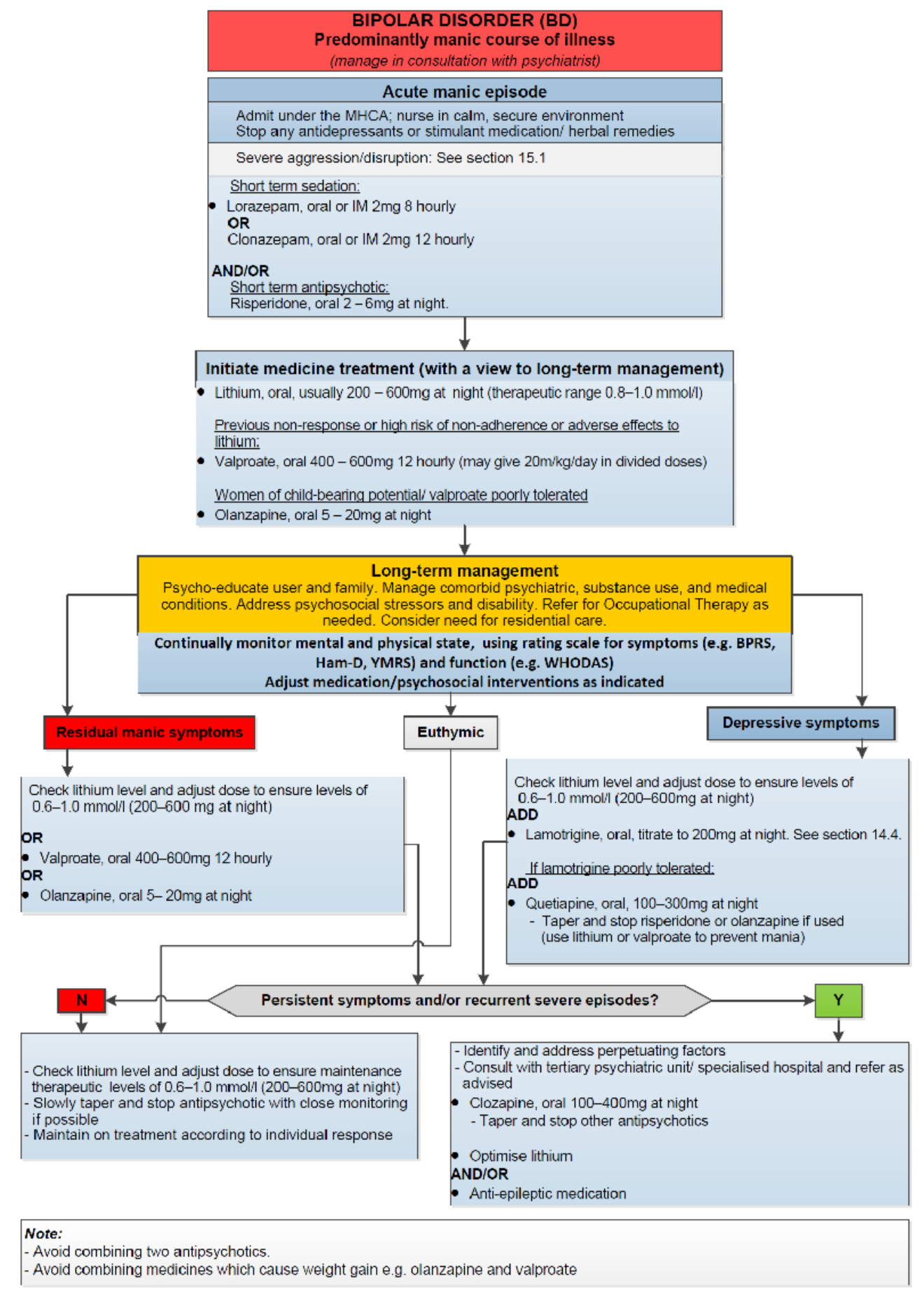
Figure 15.3: Algorithm for the management of bipolar disorder with predominantly manic course of illness
LoE: IIbxxxvii
Click on the image to enlarge
Click here for the image pdf
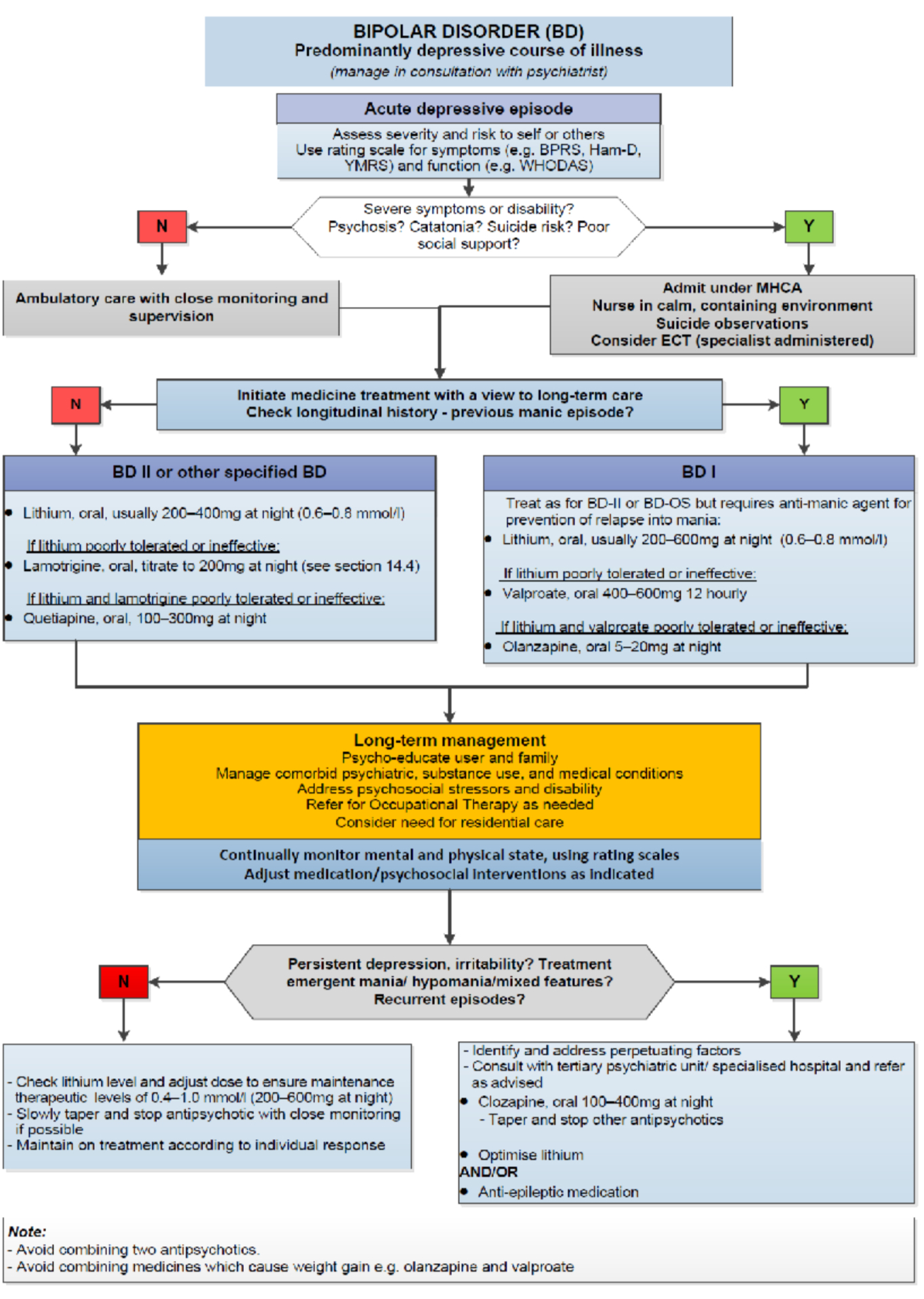
Figure 15.4: Algorithm for the management of bipolar disorder with predominantly depressive course of illness
LoE: IIbxxxviii
Click on the image to enlarge
Click here for the image pdf
Referral
All patients are to be managed in consultation with a psychiatrist and referred as advised, particularly if:
- High risk to self or others at any time.
- Rapid cycling (≥4 episodes despite treatment).
- Poor response to treatment with persistent depressive, manic, or mixed symptoms.
Standard Treatment Guidelines and Essential Medicines List for South Africa, Hospital Level, Adults_Chapter 15: Mental Health Conditions and Substance Misuse_NEMLC Recommendations for Medicine Amendments 2020-2023
Drugs mentioned
ICD-10 codes
- F06.3Organic mood [affective] disorders
- F10.0Mental and behavioural disorders due to use of alcohol, acute intoxication
- F10.1Mental and behavioural disorders due to use of alcohol, harmful use
- F10.2Mental and behavioural disorders due to use of alcohol, dependence syndrome
- F10.3Mental and behavioural disorders due to use of alcohol, withdrawal state
- F10.4Mental and behavioural disorders due to use of alcohol, withdrawal state with delirium
- F10.5Mental and behavioural disorders due to use of alcohol, psychotic disorder
- F10.6Mental and behavioural disorders due to use of alcohol, amnesic syndrome
- F10.7Mental and behavioural disorders due to use of alcohol, residual and late-onset psychotic disorder
- F10.8Mental and behavioural disorders due to use of alcohol, other mental and behavioural disorders
- F10.9Mental and behavioural disorders due to use of alcohol, unspecified mental and behavioural disorder
- F11.0Mental and behavioural disorders due to use of opioids, acute intoxication
- F11.1Mental and behavioural disorders due to use of opioids, harmful use
- F11.2Mental and behavioural disorders due to use of opioids, dependence syndrome
- F11.3Mental and behavioural disorders due to use of opioids, withdrawal state
- F11.4Mental and behavioural disorders due to use of opioids, withdrawal state with delirium
- F11.5Mental and behavioural disorders due to use of opioids, psychotic disorder
- F11.6Mental and behavioural disorders due to use of opioids, amnesic syndrome
- F11.7Mental and behavioural disorders due to use of opioids, residual and late-onset psychotic disorder
- F11.8Mental and behavioural disorders due to use of opioids, other mental and behavioural disorders
- F11.9Mental and behavioural disorders due to use of opioids, unspecified mental and behavioural disorder
- F12.0Mental and behavioural disorders due to use of cannabinoids, acute intoxication
- F12.1Mental and behavioural disorders due to use of cannabinoids, harmful use
- F12.2Mental and behavioural disorders due to use of cannabinoids, dependence syndrome
- F12.3Mental and behavioural disorders due to use of cannabinoids, withdrawal state
- F12.4Mental and behavioural disorders due to use of cannabinoids, withdrawal state with delirium
- F12.5Mental and behavioural disorders due to use of cannabinoids, psychotic disorder
- F12.6Mental and behavioural disorders due to use of cannabionoids, amnesic syndrome
- F12.7Mental and behavioural disorders due to use of cannabinoids, residual and late-onset psychotic disorder
- F12.8Mental and behavioural disorders due to use of cannabinoids, other mental and behavioural disorders
- F12.9Mental and behavioural disorders due to use of cannabinoids, unspecified mental and behavioural disorder
- F13.0Mental and behavioural disorders due to use of sedatives or hypnotics, acute intoxication
- F13.1Mental and behavioural disorders due to use of sedatives or hypnotics, harmful use
- F13.2Mental and behavioural disorders due to use of sedatives or hypnotics, dependence syndrome
- F13.3Mental and behavioural disorders due to use of sedatives or hypnotics, withdrawal state
- F13.4Mental and behavioural disorders due to use of sedatives or hypnotics, withdrawal state with delirium
- F13.5Mental and behavioural disorders due to use of sedatives or hypnotics, psychotic disorder
- F13.6Mental and behavioural disorders due to use of sedatives or hypnotics, amnesic syndrome
- F13.7Mental and behavioural disorders due to use of sedatives or hypnotics, residual and late-onset psychotic disorder
- F13.8Mental and behavioural disorders due to use of sedatives or hypnotics, other mental and behavioural disorders
- F13.9Mental and behavioural disorders due to use of sedatives or hypnotics, unspecified mental and behavioural disorder
- F14.0Mental and behavioural disorders due to use of cocaine, acute intoxication
- F14.1Mental and behavioural disorders due to use of cocaine, harmful use
- F14.2Mental and behavioural disorders due to use of cocaine, dependence syndrome
- F14.3Mental and behavioural disorders due to use of cocaine, withdrawal state
- F14.4Mental and behavioural disorders due to use of cocaine, withdrawal state with delirium
- F14.5Mental and behavioural disorders due to use of cocaine, psychotic disorder
- F14.6Mental and behavioural disorders due to use of cocaine, amnesic syndrome
- F14.7Mental and behavioural disorders due to use of cocaine, residual and late-onset psychotic disorder
- F14.8Mental and behavioural disorders due to use of cocaine, other mental and behavioural disorders
- F14.9Mental and behavioural disorders due to use of cocaine, unspecified mental and behavioural disorder
- F15.0Mental and behavioural disorders due to use of other stimulants, including caffeine, acute intoxication
- F15.1Mental and behavioural disorders due to use of other stimulants, including caffeine, harmful use
- F15.2Mental and behavioural disorders due to use of other stimulants, including caffeine, dependence syndrome
- F15.3Mental and behavioural disorders due to use of other stimulants, including caffeine, withdrawal state
- F15.4Mental and behavioural disorders due to use of other stimulants, including caffeine, withdrawal state with delirium
- F15.5Mental and behavioural disorders due to use of other stimulants, including caffeine, psychotic disorder
- F15.6Mental and behavioural disorders due to use of other stimulants, including caffeine, amnesic syndrome
- F15.7Mental and behavioural disorders due to use of other stimulants, including caffeine, residual and late-onset psychotic disorder
- F15.8Mental and behavioural disorders due to use of other stimulants, including caffeine, other mental and behavioural disorders
- F15.9Mental and behavioural disorders due to use of other stimulants, including caffeine, unspecified mental and behavioural disorder
- F16.0Mental and behavioural disorders due to use of hallucinogens, acute intoxication
- F16.1Mental and behavioural disorders due to use of hallucinogens, harmful use
- F16.2Mental and behavioural disorders due to use of hallucinogens, dependence syndrome
- F16.3Mental and behavioural disorders due to use of hallucinogens, withdrawal state
- F16.4Mental and behavioural disorders due to use of hallucinogens, withdrawal state with delirium
- F16.5Mental and behavioural disorders due to use of hallucinogens, psychotic disorder
- F16.6Mental and behavioural disorders due to use of hallucinogens, amnesic syndrome
- F16.7Mental and behavioural disorders due to use of hallucinogens, residual and late-onset psychotic disorder
- F16.8Mental and behavioural disorders due to use of hallucinogens, other mental and behavioural disorders
- F16.9Mental and behavioural disorders due to use of hallucinogens, unspecified mental and behavioural disorder
- F17.0Mental and behavioural disorders due to use of tobacco, acute intoxication
- F17.1Mental and behavioural disorders due to use of tobacco, harmful use
- F17.2Mental and behavioural disorders due to use of tobacco, dependence syndrome
- F17.3Mental and behavioural disorders due to use of tobacco, withdrawal state
- F17.4Mental and behavioural disorders due to use of tobacco, withdrawal state with delirium
- F17.5Mental and behavioural disorders due to use of tobacco, psychotic disorder
- F17.6Mental and behavioural disorders due to use of tobacco, amnesic syndrome
- F17.7Mental and behavioural disorders due to use of tobacco, residual and late-onset psychotic disorder
- F17.8Mental and behavioural disorders due to use of tobacco, other mental and behavioural disorders
- F17.9Mental and behavioural disorders due to use of tobacco, unspecified mental and behavioural disorder
- F18.0Mental and behavioural disorders due to use of volatile solvents, acute intoxication
- F18.1Mental and behavioural disorders due to use of volatile solvents, harmful use
- F18.2Mental and behavioural disorders due to use of volatile solvents, dependence syndrome
- F18.3Mental and behavioural disorders due to use of volatile solvents, withdrawal state
- F18.4Mental and behavioural disorders due to use of volatile solvents, withdrawal state with delirium
- F18.5Mental and behavioural disorders due to use of volatile solvents, psychotic disorder
- F18.6Mental and behavioural disorders due to use of volatile solvents, amnesic syndrome
- F18.7Mental and behavioural disorders due to use of volatile solvents, residual and late-onset psychotic disorder
- F18.8Mental and behavioural disorders due to use of volatile solvents, other mental and behavioural disorders
- F18.9Mental and behavioural disorders due to use of volatile solvents, unspecified mental and behavioural disorder
- F19.0Mental and behavioural disorders due to multiple drug use and use of other psychoactive substances, acute intoxication
- F19.1Mental and behavioural disorders due to multiple drug use and use of other psychoactive substances, harmful use
- F19.2Mental and behavioural disorders due to multiple drug use and use of other psychoactive substances, dependence syndrome
- F19.3Mental and behavioural disorders due to multiple drug use and use of other psychoactive substances, withdrawal state
- F19.4Mental and behavioural disorders due to multiple drug use and use of other psychoactive substances, withdrawal state with delirium
- F19.5Mental and behavioural disorders due to multiple drug use and use of other psychoactive substances, other psychotic disorder
- F19.6Mental and behavioural disorders due to multiple drug use and use of other psychoactive substances, amnesic syndrome
- F19.7Mental and behavioural disorders due to multiple drug use and use of other psychoactive substances, residual and late-onset other psychotic disorder
- F19.8Mental and behavioural disorders due to multiple drug use and use of other psychoactive substances, other mental and behavioural disorders
- F19.9Mental and behavioural disorders due to multiple drug use and use of other psychoactive substances, unspecified mental and behavioural disorder
- F30.0Hypomania
- F30.1Mania without psychotic symptoms
- F30.2Mania with psychotic symptoms
- F30.8Other manic episodes
- F30.9Manic episode, unspecified
- F31.0Bipolar affective disorder, current episode hypomanic
- F31.1Bipolar affective disorder, current episode manic without psychotic symptoms
- F31.2Bipolar affective disorder, current episode manic with psychotic symptoms
- F31.3Bipolar affective disorder, current episode mild or moderate depression
- F31.4Bipolar affective disorder, current episode severe depression without psychotic symptoms
- F31.5Bipolar affective disorder, current episode severe depression with psychotic symptoms
- F31.6Bipolar affective disorder, current episode mixed
- F31.7Bipolar affective disorder, currently in remission
- F31.8Other bipolar affective disorders
- F31.9Bipolar affective disorder, unspecified
- F34.0Cyclothymia
- F34.8Other persistent mood [affective] disorders
- F34.9Persistent mood [affective] disorder, unspecified
- F38.0Other single mood [affective] disorders
- F39Unspecified mood [affective] disorder
- R45.0Nervousness
- R45.1Restlessness and agitation
- R45.2Unhappiness
- R45.3Demoralization and apathy
- R45.4Irritability and anger
- R45.5Hostility
- R45.6Physical violence
- R45.7State of emotional shock and stress, unspecified
- R45.8Other symptoms and signs involving emotional state
- Z65.0Conviction in civil and criminal proceedings without imprisonment
- Z65.8Other specified problems related to psychosocial circumstances
- Z65.9Problem related to unspecified psychosocial circumstances
- Z81.0Family history of mental retardation
- Z81.1Family history of alcohol abuse
- Z81.2Family history of tobacco abuse
- Z81.3Family history of other psychoactive substance abuse
- Z81.4Family history of other substance abuse
- Z81.8Family history of other mental and behavioural disorders