Calcium Abnormalities In ICU
Effects of albumin and pH Alkalosis results in increased bound calcium – and decreased ionized calcium. In hypoalbuminaemia, total serum calcium measurement may be falsely low. Corrected calcium = measured calcium + (40 - albumin) x 0.025. Hypocalcaemia: See: Hypocalcaemia in children. In ICU, the focus is on low ionized calcium concentrations (< 1.0 mmol/L). Clinical effects of hypocalcaemia:
Effects of albumin and pH
Alkalosis results in increased bound calcium – and decreased ionized calcium.
In hypoalbuminaemia, total serum calcium measurement may be falsely low.
Corrected calcium = measured calcium + (40 - albumin) x 0.025.
Hypocalcaemia:
See: Hypocalcaemia in children.
In ICU, the focus is on low ionized calcium concentrations (< 1.0 mmol/L).
Clinical effects of hypocalcaemia:
- Tetany
- Seizures, confusion.
- Laryngospasm
- Cardiac arrhythmias (heart block and ventricular tachycardia).
- Prolonged QTc interval.
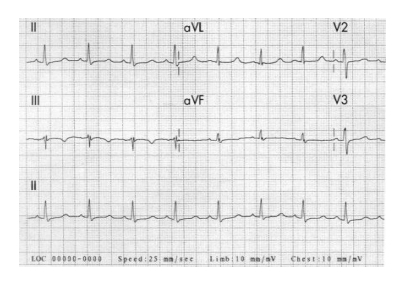
Click on image to enlarge
Management of hypocalcaemia in ICU:
- Check magnesium, replace if low.
- Replace calcium, IV:
- 10% calcium gluconate 0.5 mL/kg/dose.
- 10% calcium chloride 0.2 mL/kg/dose (must use a central line).
- IV replacement targeted to the ionized calcium value on blood gas – > 1.2 mmol/L.
Intravenous calcium replacement in ICU:
- Replacement dose = 0.1 mmol/kg/dose (for seizures/arrhythmias – infusion 0.1 mmol/kg/hour after initial IV slow bolus).
- Calcium gluconate 10%:
- 1 ampoule (10 mL) = 1 g = 2.2 mmol = 0.22 mmol/mL.
- 0.6 mL/kg/dose (maximum 10 mL).
- Mix 1:4 with sterile water and inject IV, slowly over 10 minutes.
OR if severe or refractory:
- Calcium chloride10%:
- 1 ampoule (10 mL) = 1 g = 7 mmol = 0.7 mmol/mL.
- 0.2 mL/kg/dose (maximum 10 mL).
- Mix 1:4 with sterile water and inject IV, slowly over 10 minutes.
- Must be administered via a CVC
Note:
Monitor IV sites for extravasation, never mix with fluids containing bicarbonate or phosphate, never give IM or SC.
Hypercalcaemia:
- Key principle: Effective management of hypercalcaemia begins with adequate rehydration and treating the underlying cause.
- Refer to a specialist for consideration of furosemide and/or haemodialysis in the setting of severe renal failure.
Standard Treatment Guidelines And Essential Medicines List For South Africa, Hospital Level, Paediatrics, 2023 Edition
Chapter 23: Paediatric Intensive Care, 23.6 Electrolyte Abnormalities, 23.6.4 Calcium Abnormalities In ICU