Clinical Management of Suspected or Confirmed COVID-19 Disease, Version 5
This guideline outlines the clinical management of suspected or confirmed COVID-19 Disease as per the National Department of Health. Version 5. Published 24 August 2020
These guidelines have been reproduced verbatim as per the National Department of Health and NICD document. EMGuidance confirms that it is not the owner of the information provided, nor does it intend to present it as such. Please also refer to the NICD guideline "COVID-19 Quick Reference for Healthcare Workers".
Epidemiology and Clinical Characteristics
- Epidemiology
- Clinical characteristics - what to look for?
- Outcomes and prognosis
Testing
- Obtaining samples for SARS-CoV-2 testing
- Transport of specimens
- Repeat testing
- Antibody tests
- Point of care antigen tests
Management of the Patient with Asymptomatic or Mild Disease
- Criteria for management at home (for age >12 years)
- Advice for patients who are self-isolating, to reduce the possible transmission to others
- Symptomatic treatment for COVID-19 patients managed at home
Respiratory support for Hospitalised COVID-19 Patients
- General principles
- High-flow nasal cannula oxygen (HFNO) therapy
- Mechanical ventilation
- Self-proning
Drug Therapy
- Corticosteroids
- Venous thromboembolism prophylaxis and pre-emptive therapy
- Remdesivir
- Other drugs
- Prophylaxis
Palliative Care of Patients with COVID-19
Special Populations
- Children
- Newborns
- Pregnant and breastfeeding women
- People living with HIV
De-isolation and Return to Work
- Recommendations
- Distinction between isolation period and returning to work
- Rationale for recommendations
- Staff in healthcare and laboratory settings
Infection Prevention and Control (IPC)
- Transmission-based precautions
- Aerosol-generating procedures
Guidelines committee (in alphabetical order): Lesley Bamford, Tom Boyles, Lucille Blumberg, Greg Calligaro, Angelique Coetzee, Cheryl Cohen, Andrew Gray, Dean Gopalan, Ivan Joubert, Tamara Kredo, Ahmad Haeri Mazanderani, Tendesayi Kufa-Chakeza, Halima Dawood, Nelesh Govender, Lance Lasersohn, Shelly-Ann McGee, Manala Makua, Shaheen Mehtar, Kerrigan McCarthy, Marc Mendelson, Jeremy Nel, Wolfgang Preiser, Jantjie Taljaard, Francois Venter.
NEMLC COVID-19 subcommittee (in alphabetical order): Marc Blockman, Karen Cohen, Andrew Gray, Tamara Kredo, Jeremy Nel, Gary Maartens, Andrew Parish (chairperson), Helen Rees, Gary Reubenson (vice chairperson), Renee de Waal.
Paediatrics subcommittee (in alphabetical order): Lesley Bamford, Adrie Bekker, Heloise Buys, Ute Feucht, Marian Jacobs, Prakash Jeena, Fikile Mabena, Nomalinda Makubalo, Carol Marshall, Ntombi Mazibuko, Neil McKerrow, Jame Nuttall, Shakti Pillay, Robert Pattinson, Gary Reubenson, Natasha Rhoda
Version 5 - What's New?
- Expanded and enhanced sections on high flow nasal cannula oxygen (HFNO) and self-proning
- Recommendations relating to the use of dexamethasone, heparin and remdesivir
- Recommendations against the use of chloroquine, hydroxychloroquine, or lopinavir/ritonavir outside of a clinical trial
- Reduction in the time to de-isolate the patient from 14 days to 10 days
Epidemiology and clinical characteristics
The mean incubation period for COVID-19 is 4-5 days. Patients may be infectious for 2-3 days prior to the onset of symptoms however. The strongest risk factor for severe disease is advanced age. Other risk factors include cardiopulmonary comorbidities, obesity, HIV, and diabetes mellitus. The spectrum of COVID-19 clinical presentations include asymptomatic infection, a respiratory tract infection that may range from mild to severe, and atypical manifestations such as diarrhoea, skin manifestations, hyperglycaemic syndromes and large vessel strokes. |
SARS-CoV-2 is a betacoronovirus closely related to SARS-CoV and MERS-CoV. It is an enveloped, non-segmented, positive sense RNA virus. It is thought to have originated in bats but the animal responsible for transmission to humans remains unknown.
Epidemiology
The median incubation period for COVID-19 is estimated to be 4-5 days, with an interquartile range of 2-7 days. Based on patients' viral shedding patterns and on epidemiological modelling, patients appear to be infectious for 2-3 days prior to the onset of symptoms, and the contribution of pre-symptomatic infections to the overall pandemic may be substantial. 1-7 The basic reproductive number for the virus is approximately 2.2 (meaning that on average, each person spread the infection to two others).8 A male preponderance of cases has been noted globally both in terms of absolute case numbers, and in severe disease. 9-11 Risk factors for severe disease include older age, cardiopulmonary comorbidities, obesity, HIV, and diabetes mellitus. Very few cases which required hospitalisation have been reported among children under the age of 15 years (~1%).
Clinical characteristics - what to look for
Truly asymptomatic COVID-19 patients (as distinguished from pre-symptomatic patients) have been described, but their proportion is not well characterised yet. 6,12 Among symptomatic patients in China, 81% developed mild disease, an estimated 14% developed severe disease (with hypoxaemia, marked tachypnoea and extensive lung infiltrates), while 5% became critically ill (with respiratory failure, septic shock and/or multiorgan dysfunction). 13 Because of the strong effect of age on disease severity, the proportions of mild, severe, and critical cases seen in a country will partially depend on that country's population age structure however.
The most common presenting symptom has been fever in approximately 90%, but importantly this may only be present in a minority of patients on admission. 11,14 A cough is present in two-thirds of patients, but sputum production is only reported by one third of patients, as is dyspnoea. Myalgia, a sore throat, nausea, vomiting, and diarrhoea are all present in less than one fifth of cases. 11,14,15 Anosmia (loss of sense of smell) and dysgeusia (alteration of the sense of taste) have also emerged as relatively common, early, and moderately specific symptoms. 16,17 Atypical manifestations are increasingly being recognised, including large vessel strokes in young patients, diabetic ketoacidosis/hyperglycaemic hyperosmolar syndrome, unexplained abdominal pain, various dermatological manifestations, and a multisystem inflammatory syndrome in children. 18-20
Abnormalities are visible on chest X-ray in at least 60% of hospitalised COVID-19 patients, with chest CT scans being more sensitive. 11,14,21 These are typical bilateral patchy ground glass opacities, though other patterns have been described. 11,22 However, a normal chest X-ray or chest CT scan does not rule out COVID-19. This is especially true of patients with mild disease, in whom a majority of chest X-rays may be normal. 23
Outcomes and prognosis
The vast majority of cases will make a full recovery although this may take several weeks, particularly in severe cases. In a minority of cases, COVID-19 has been associated with rapid progression to acute respiratory distress syndrome (ARDS), multiple organ failure and sometimes death. Internationally, the case fatality ratio has ranged between 0.7-7%, and is partially determined by the particular population's age distribution, the pandemic's burden on the healthcare system at the time, and the extent to which mild or asymptomatic cases are diagnosed. 9,24 Long-term sequelae, if any, are currently unknown.
Click here for references for the above section.
Testing
PCR-based tests are recommended for the diagnosis of acute COVID-19 infection. Upper respiratory tract samples should be sent on all patients. Sputum or (if the patient is intubated) bronchoalveolar lavage samples should be sent when available. Due to very poor sensitivity within the first 1-2 after symptom onset, serology is no recommended for the diagnosis of acute COVID-19 infection. |
Patients seeking healthcare services for potential COVID-19 should preferably phone ahead of time to their doctor, clinic, emergency room, or closest testing centre, so that adequate precautions can be taken. Patients should wear masks while in transit to the hospital (cloth masks can suffice until they are given a surgical mask on arrival). Patients who do not self-identify as potentially having COVID-19 should be screened and identified as soon as possible upon arriving at a health facility, to avoid prolonged contact with other patients and healthcare workers.
| A suspected COVID-19 case includes any person presenting with acute (<14 days) respiratory tract infection or other clinical illness compatible with COVID-19, or an asymptomatic person who is a close contact to a confirmed case. In the context of COVID-19, the key respiratory syndrome consists of ANY of: Cough Sore throat Shortness of breath Anosmia or dysgeusia ... with or without other symptoms (which may include fever, weakness, myalgia, or diarrhoea). |
An acute exacerbation of a chronic pulmonary condition (e.g. COPD, asthma) should also be regarded as potentially being due to COVID-19.
Atypical manifestations are increasingly being recognised, including large vessel strokes in young patients, diabetic ketoacidosis/hyperglycaemic hyperosmolar syndrome, unexplained abdominal pain, various dermatological manifestations, and a multisystem inflammatory syndrome in children.1-3
A close contact is defined as a person having had face-to-face contact (<1 metre) or having been in a closed space with a confirmed COVID-19 case for at least 15 minutes. This includes, amongst others:
- All persons living in the same household as a COVID-19 case, and people working closely in the same environment as a case.
- Healthcare workers or other people providing direct care for a COVID-19 case while not wearing recommended personal protective equipment or PPE (e.g., gowns, gloves, N95 respirator, eye protection).
- A contact in an aircraft sitting within two seats (in any direction) of the case, travel companions or persons providing care, and crew members serving in the section of the aircraft where the case was seated.
Testing
Testing for acute COVID-19 infection should be by means of polymerase chain reaction (PCR) assays.
Samples to be sent are:
- Upper respiratory tract samples - A sample from the upper respiratory tract should be sent from all patients. A single site is sufficient. Currently, a nasopharyngeal swab is the preferred specimen, but in patients where this is not possible (e.g. recent nasal surgery, or severe coagulopathy), an oropharyngeal, nasal mid-turbinate, or anterior nares swab can be collected instead. 4,5
- Lower respiratory tract samples - send when available. Lower respiratory tract samples may have a higher sensitivity than upper respiratory tract samples. 4,6 Sputum, tracheal aspirates, or bronchoalveolar lavage fluid are all acceptable samples to send. Sputum induction should not be performed however.
Where both upper and lower respiratory tract samples are available, both should be sent.
Appropriate personal protective equipment (PPE) should be worn by all healthcare workers when obtaining specimens (see IPC section).
Obtaining samples for SARS-CoV-2 testing
- Healthcare workers obtaining respiratory samples require appropriate personal protective equipment, including eye protection (goggles or visor), gloves, an apron or gown, and an N95 respirator (or equivalent, e.g. FFP2 mask). Meticulous hand hygiene is also essential. See section 6 for further details.
- Collecting a good quality specimen is vital - see box below.
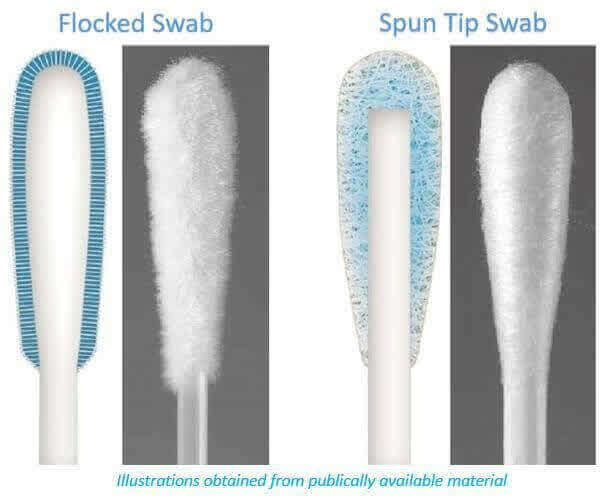
- Appropriate swabs are flocked or spun, and consist of polyester, nylon or rayon material with a plastic or aluminium shaft. Cotton swabs, calcium alginate swabs with a wooden shaft are not recommended, as they may contain substances that inactivate SARS-CoV-2 and inhibit PCR testing.
Click on image to enlarge
Transport of specimens
- Nasopharyngeal, mid-turbinate and anterior nares samples should ideally be placed in viral/universal transport medium (UTM) and kept between 2-8oC until they are processed at the laboratory. Due to constraints in the supply of viral/universal transport medium, dry swabs can be sent provided that the sample will reach the laboratory within 2 days. Dry swabs can be sent at ambient temperature.
- Lower respiratory tract samples can be sent in standard specimen containers and do not require viral/universal transport medium.
| Transport time to testing laboratory | |
| <2 days: can use dry swab (no transport medium needed) and can be transported at ambient temperature | >2 days: transport in UTM, preferably at 2-8oC. If UTM is not available, can use normal saline as an alternative. |

Click on image to enlarge
Repeat testing
PCR tests may produce false negative results due to factors such as poor sampling technique, suboptimal specimen storage (e.g. unavailability of viral/universal transport medium, or specimen not stored at cold temperatures), the site the sample is obtained from, and the time point at which the swab is taken (viral loads are usually highest early on in the disease course). If a high clinical suspicion for COVID-19 persists despite an initial negative test, repeat testing should be considered in consultation with an infectious diseases expert, particularly in hospitalised patients for whom management might be significantly altered. However, it is equally important to maintain a broad differential diagnosis and to always consider alternative diagnoses (see box below).
A single positive PCR test is sufficient proof of COVID-19 infection. There is no role for repeat “confirmatory” PCR testing on patients who test positive despite the absence of symptoms, as PCR-based tests have excellent specificity, and asymptomatic and presymptomatic COVID-19 patients are now well described.
The differential diagnosis of suspected cases includes influenza (remembering the seasonality), both conventional and atypical bacterial pneumonias, and in patients with HIV and a CD4 count <200 cells/mm3 (or equivalent immunosuppression), Pneumocystis jirovecii pneumonia (PJP). Malaria as the cause of an acute febrile illness (typically with headache, rigors, and malaise) must always be considered in persons residing in or travelling from malaria transmission areas. Non-infectious causes of dyspnoea and/or fever should also be considered, such as pulmonary emboli, myocardial infarction, and heart failure. For patients with severe disease who require admission, appropriate tests may include: HIV test (if status unknown) Full blood count + differential Blood culture Nasopharyngeal and/or oropharyngeal swabs for detection of viral and atypical pathogens Chest radiography Sputum for MCS and Mycobacterium tuberculosis detection (GeneXpert MTB/RIF Ultra) Urine for lipoarabinomannan (LAM) if HIV positive Beta-D-glucan and expectorated sputum/tracheal aspirate for PJP if HIV positive and clinically suspicious of PJP (don't induce sputum though) For patients with mild disease who do not require admission, a more limited workup may be appropriate. Depending on the specific presentation, test may include: HIV test (if status unknown) Sputum GeneXpert MTB/RIF Ultra if patient is HIV positive and coughing (would fulfil case definition for TB), or if HIV negative and in close contact with TB patients |
Antibody tests
Currently, we do not recommend using antibody-based (serological) tests for the diagnosis of acute COVID-19. These tests are insufficiently sensitive early in the disease course (before sufficient antibodies have been produced). 7,8
- Antibody-based tests may have a role in other scenarios, such as for seroprevalence surveys
Point of care antigen tests
We do not currently recommend point of care antigen-based tests, due to concerns about poor sensitivity and specificity. 9
Click here for references for the above section.
Management of the patient with asymptomatic or mild disease
Patients who are asymptomatic or who meet criteria for mild disease can be managed at home provided they can safely self-isolate. Patients who self-isolate at home should be given strict advice on how to reduce possible transmission to others. Paracetamol is recommended for symptomatic treatment of patients with fever or pain in preference to nonsteroidal anti-inflammatory drugs (NSAIDs). |
Patients with COVID-19 who are medically well, or who are assessed as having only mild disease, may be managed at home, provided they can safely do so.
Criteria for management at home (for age >12 years 1):
| Mild disease 1 |
| SpO2 >95% Respiratory rate <25 HR <120 Temp 36-39oC Mental status normal |
| Able to safely self-isolate |
| Separate bedroom available for patient to self-isolate in Able to maintain physical distancing at home Able to maintain hand hygiene Patient able to contact, and return to, healthcare facility in case of deterioration |
Those patients with mild disease who are unable to safely self-isolate at home may be considered for isolation at a designated government facility if available.
Some patients initially assessed as having “mild” disease may continue to worsen over the course of a week or more and subsequently require hospitalisation. In one study by Wang et al., those who required hospitalisation developed dyspnoea a median of 5 days after symptom onset, required hospitalisation on day 7, and were assessed as having ARDS by a median of day 8.1 Any deterioration in the ability to perform activities of daily living at home as a result of dyspnoea should prompt reevaluation at a healthcare facility. Patients managed at home need to be given the contact details of their doctor or healthcare facility in case of any clinical worsening. This is particularly important for those at high risk for deterioration (e.g. age >65, cardiac or pulmonary comorbidities and/or diabetes mellitus).
Advice for patients who are self-isolating, to reduce the possible transmission to others:
- Patients should stay in a specific room and use their own bathroom (if possible). Patients should avoid unnecessary travel and unnecessary contact with other people. If they live in shared accomodation (university halls of residence or similar) with a communal kitchen, bathroom(s) and living area, they should stay in their room with the door closed, only coming out when necessary and wearing a surgical mask if they do so
- Where contact is unavoidable, the patient should wear a surgical mask, and maintain a distance of at least 1 metre (preferably 2 metres) from other people.
- Patients should clean their hands with soap and water frequently. Alcohol-based sanitizers may also be used, provided they contain at least 70% alcohol.
- Patients should practice good cough and sneeze hygiene, by using a tissue, and then immediately discarding the tissue in a lined trash can, followed by washing hands immediately.
- Patients should not have visitors in their home. Only those who usually live in their home should be allowed to stay.
- Patients should avoid sharing household items like dishes, cups, eating utensils and towels. After using any of these, the items should be thoroughly washed with soap and hot water.
- All high-touch surfaces like table tops, counters, toilets, phones, computers, etc. should be appropriately and frequently cleaned.
- If patients need to wash laundry at home before the PCR results are available, then they should wash all laundry at the highest temperature compatible with fabric using laundry detergent. This should be above 60oC. If possible, they should tumble dry and iron using the highest setting compatible with the fabric. Disposable gloves and a plastic apron should be used when handling soiled materials if possible and all surfaces and the area around the washing machine should be cleaned. Laundry should not be taken to a launderette. The patient should wash his/her hands thoroughly with soap and water after handling dirty laundry (remove gloves first if used).
- Patients should know who to call and/or where to go if they develop any worsening symptoms, so that they can be safely reassessed.
- In addition to this advice, a patient information sheet should be provided (see Appendix 1 for an example).
Symptomatic treatment for COVID-19 patients managed at home
- For patients requiring symptomatic relief of fever or pain, we suggest using paracetamol as a first-choice agent rather than a nonsteroidal anti-inflammatory drug (NSAID).
- There is no good evidence that NSAIDs worsen COVID-19 infection, so patients currently requiring NSAIDs for other indications should not discontinue NSAIDs for COVID-related reasons. 2 - Whether nebulisers increase the risk of transmission of SARS-CoV2 is currently unknown. Evidence reviews conducted prior to the COVID-19 outbreak have not found clear evidence of increased transmission of respiratory viruses. 3,4 Furthermore, the aerosol generated by nebulisers is derived from the nebulising chamber rather than the patient.5 Nonetheless for patients with asthma or chronic pulmonary obstructive disease (COPD) who may experience an acute exacerbation of their illness due to COVID-19, the use of metered dose inhalers, with or without a spacer, is preferred to the use of a nebuliser.
- Patients who do require a nebuliser should use it in a room that is isolated from other household members and/or other patients. Good ventilation for this area is recommeded; this may be facilitated by opening the windows in the room.
- Spacers need to be disinfected between patients with either soap and water followed by a wipe down with 70% alcohol, or by using a chlorine-based disinfectant (soak for 30 mins then rinse well with water to avoid chlorine being absorbed into the spacer). - Cough suppressants, such as codeine-containing cough mixtures, are not indicated, and are not available in public sector health facilities. Opioids, such as morphine, should not be used for this reason alone, and where they are indicated they should only be used with due caution and careful monitoring.
- Recent work suggested that angiotensin converting enzyme inhibitors (ACEi) or angiotensin receptor blockers (ARBs) might upregulate ACE2 receptors, the binding site for SARS-CoV-2, within tissues including the lung and heart, prompting theoretical concerns that this might place patients at risk of worse outcomes with COVID-196. To date, this remains purely theoretical, with no evidence of worse clinical outcomes.7 Furthermore, discontinuing or switching ACEi or ARBSs to alternative agents may be deleterious to patient care. Pending further evidence, we therefore do not recommend discontinuing ACEi or ARBs unless there are other medical reasons to do so.
Click here for references for the above section.
Respiratory support for hospitalised COVID-19 patients
Supplemental oxygen remains the mainstay of therapy for most hospitalised patients. Target SpO2 >90% in non-pregnant adults, titrating to reach targets by means of a nasal cannula, simple face mask or face mask with reservoir bag. The use of the prone position in non-intubated, conscious patients who are hypoxaemic may be beneficial. Patients who have respiratory failure despite maximal facemask oxygen should be promptly identified and evaluated for possible escalation of respiratory support. Possible modalities include high flow nasal cannula oxygen, continuous positive airway pressure, or intubation and mechanical ventilation. |
General principles
Give supplemental oxygen therapy immediately to patients with low oxygen saturation. 1
- Oxygen therapy is likely to be the single most effective supportive measure in COVID-19 patients. Target SpO2 >90% in non-pregnant adults and SpO2>92% in pregnant patients.1 Children with emergency signs (obstructed or absent breathing, severe respiratory distress, central cyanosis, shock, coma, or convulsions) should receive oxygen therapy during resuscitation to target SpO2 >94%; otherwise the target SpO2 is >92%.
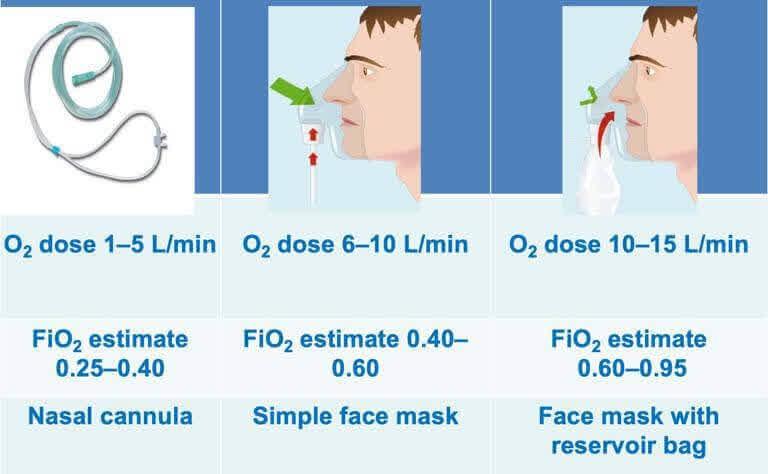
- Titrate oxygen therapy up and down to reach targets by means of a nasal cannula, simple face mask or face mask with reservoir bag, as appropriate. Nasal cannulae should not be reused. Face masks and reservoir bags must be heat disinfected between each patient use if they are used for more than one patient.
For paediatric oxygen recommendations, see section 5.1
Click on image to enlarge
Judicious fluid management in patients with COVID-19 is needed.
Patients who are relatively hypovolaemic (e.g. due to prolonged high fever), will need appropriate fluid replacement. However, overly aggressive fluid resuscitation may worsen oxygenation. This may especially be problematic in settings where there is limited availability of mechanical ventilation, and in patients with established ARDS. 2,3
Recognize severe hypoxemic respiratory failure when a patient with respiratory distress is failing standard oxygen therapy.
Patients may continue to have increased work of breathing or hypoxemia (SpO2 <90%, PaO2 <60 mmHg [<8.0 kPa]) even when oxygen is delivered via a face mask with reservoir bag. Hypoxemic respiratory failure in ARDS commonly results from intrapulmonary ventilation perfusion mismatch or shunt and usually requires mechanical ventilation.
In the absence of an indication for endotracheal intubation, a trial of high-flow nasal oxygen (HFNO), continuous positive airway pressure (CPAP) or other non-invasive ventilation (NIV) technique may be considered for adults with COVID-19 and acute hypoxaemic respiratory failure failing standard oxygen therapy.
- Patients receiving HFNO, CPAP or other NIV should be in a closely monitored setting and cared for by experienced personnel capable of endotracheal intubation if the patient acutely deteriorates. Intubation should not be delayed in such circumstances.
High-flow nasal cannula oxygen (HFNO) therapy
Background
Patients with COVID-19 pneumonia present with hypoxaemia of varying degrees. The cornerstone for the management of the hypoxaemia is the application of oxygen therapy via a variety of delivery methods. The value of high-flow nasal cannula (HFNC) oxygen therapy has been demonstrated in non COVID-19 situations.4, 5 Consequently, its value in the management of patients with COVID-19 pneumonia has been explored with a potential for improved outcomes.6-8
Device
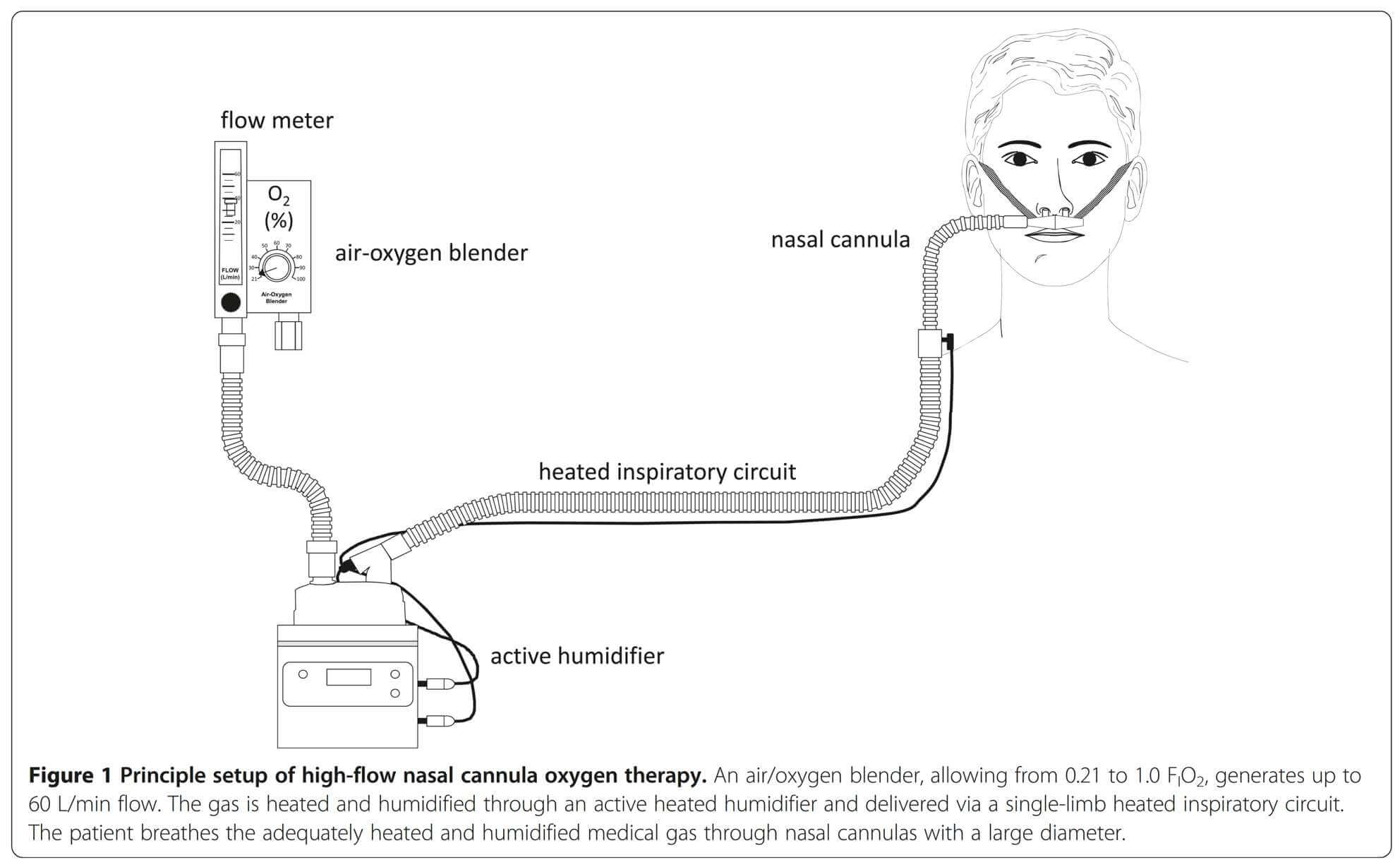
High-flow nasal cannula (HFNC) oxygen therapy is a technique configured to deliver adequately heated and humidified medical gas at a high flow rate. The device consists of a flow generator (providing gas flow rates up to 60L/min), an air-oxygen blender (that reliably achieves escalation of FiO2 from 0.21-1.0 at user selected flow rates), and a humidifier that humidifies the gas mixture at temperatures of between 31-37°C (adjusted to patient comfort). To minimize condensation, the heated humidified gas is delivered via heated tubing through nasal prongs or cannula. The device is demonstrated in Figure 1 (from: Nishimura M. et al.4).
Click image to enlarge
Advantages
HFNC is considered to have a number of physiological effects including:
- low levels of positive end-expiratory pressure (PEEP), at best up to 10 cm H2O, that may assist in increasing lung volume and recruitment of alveoli 9,10
- reduction of anatomical dead space as the high flow washes out CO2 11
- maintenance of a constant FiO2 as the difference between inspiratory flow and delivered flow is small 12
- humidification contributing to a good muco-ciliary function and patient comfort; 13
- decreased work of breathing 14
Other general advantages in COVID-19 patients include that it:
- may be implemented and managed by non-ICU specialists outside ICU
- does not require invasive monitoring
- does not need as intensive nursing care as for invasive ventilation
- can be combined with awake self-proning
- may be a lower-resource alternative to mechanical ventilation in some patients
- is relatively well tolerated and not too cumbersome allowing patient to self-care or assisted care while applying the therapy, including daily functions such as eating.
Concerns
Is there an increased risk of transmission?
The two main concerns relate to the risk of aerosolization and the adequacy of oxygen supplies. All respiratory therapy has the potential to create aerosols. A caution with HFNC initially arose because of a concern for possible generation of droplets and aerosols created or propelled by oxygen therapy via this delivery system with a consequent increased risk of disease transmission. Dispersion studies have shown that, compared to oxygen therapy with a mask or standard nasal cannulae at 5 L/min, the utilization of HFNC is no riskier with respect to either dispersion or microbiological contamination into the environment.15, 16 The risk may be further mitigated by the additional application of, for example, a surgical mask to the patient.
How do we ensure adequate oxygen supplies?
As high flows (up to 60L/min) are used with HFNC systems, a concern rose on the adequacy of hospital oxygen supplies if the therapy was applied to a large number of patients within the same facility. The high flow of oxygen exceeds the requirements for routine general ward beds (4-15L/min), and for ICU or ventilated patients (30L/min).17 This concern relates to storage and delivery of oxygen and questions the ability of banks or storage tanks for liquid oxygen to cope with demand in maintaining a constant flow and pressure to reticulation and supply points. Medical engineering consultation is required about oxygen supply at individual hospitals including number of HFNC units that can be supported.
Indications
For patients who are deteriorating or not improving on conventional oxygen therapy and supportive care, but who do not appear to be in imminent danger of collapse, HFNC oxygen therapy likely offers benefit. Consider HFNC in awake, co-operative patient if SpO2 <92% despite FiO2 of 1.0 at 15L/min.
Initiation of HFNC does not by default imply that a patient’s care will be escalated to invasive ventilation. Certain patient groups will be reasonably triaged to receive HFNC as their last escalated oxygen therapy intervention. These decisions should be made in accordance with local facility triage team protocols as well as national guidelines (e.g. the CCSSA triage guidelines).
Contraindications
- Patients with hypercapnia (exacerbation of obstructive lung disease), haemodynamic instability, multiorgan failure or abnormal mental status should generally not receive HFNC oxygen therapy in place of other options such as invasive ventilation.
- Adults with emergency signs (obstructed or absent breathing, severe respiratory distress, central cyanosis, shock, coma and/or convulsions) should receive emergency airway management (e.g. endotracheal intubation) and O2 therapy (e.g. via mechanical ventilation) during resuscitation to target SpO2 >94% instead of HFNC. 18
Use
- Discuss early with ICU team to ascertain limits of treatment levels at presentation in order to avoid inappropriate escalation of ventilatory support.
- Ideally HFNC O2 therapy should be applied in single negative pressure rooms. If unavailable, then cohorting of patients requiring HFNC in designated wards is an alternative. Ensure adequate environmental ventilation of at least 12 air changes per hour, equivalent to a room with door and windows open or suitable extraction or air conditioner to achieve same, or with HEPA (high efficiency particulate air) filtration if recirculated air.
- Personal protective equipment (PPE), including N95/FFP2 respirators, to be worn by the staff to reduce nosocomial infections.
- Ensure proper size and fit of nasal cannula. Most interfaces come with a lanyard and two clips to secure the piping of the hospital gown or pillow. If not, tape to the cheeks so prongs do not leave the nostrils.
- A surgical face mask may be placed on the patient at all times to further mitigate the risk of bioaerosolisation, with the masks being replaced when soiled.
- Effective HFNC may rely on patient being able to keep their mouth closed and maintain nasal breathing to ensure best performance of the device as mouth opening decreases the PEEP effect. Patients should be provided with clear information and educated about the treatment to achieve best results.
- Patients should be monitored with continuous pulse oximetry to enable monitoring of response and for early identification of rapid deterioration.
- Initial settings: Flow 50-60L/min and FiO2 0.8-1.0, titrated to aim initially for SpO2 >90% are recommended.
- Particularly where hospital supply is constrained, be vigilant about using the minimum O2 flow necessary to maintain SpO2. Titrate FiO2 to 1.0 prior to increasing flow greater than 35L/min.
- Patients receiving a trial of HFNC should be in a monitored setting and cared for by personnel experienced with HFNC and capable of performing endotracheal intubation in case the patient acutely deteriorates or does not improve after a short trial (about 1 hour).
- Once HFNC has been inititated, need to assess the patient regularly and as clinically indicated to determine if the patient needs to be intubated.
- There should be a low threshold for intubation where there is clinical decline (which may include a rising O2 requirement, consistently or rapid increase in respiratory rate, consistently or rapidly declining SpO2, increased work of breathing/exhaustion, and altered mental state). Intubation should not be delayed if the patient acutely deteriorates or does not improve after a short trial (1 hour).
- Initiation of HFNC does not by default imply that a patient's care will be escalated to invasive ventilation. Although some patients may proceed to invasive ventilation, many will not. These decisions should be made in accordance with local facility triage team protocols as well as national guidelines. If resources and staffing allow, HFNC may still be a reasonable intervention in patients who do not meet local facility triage team protocols as well as national guidelines criteria for ICU admission. In this situation, it may represent the limit of care.
- If the target SpO2 is achieved and the patient is clinically improving (decrease in respiratory rate and respiratory distress), weaning should be commenced. Flow may be gradually reduced by 5-10L/min and FiO2 by 0.05-0.1 every 2-4 hours. Switching to conventional O2 therapy should be considered when FiO2<0.4 and flow <20L/min.
Mechanical ventilation
Patients with hypoxaemic respiratory failure may require intubation and mechanical ventilatory support. Detailed recommendations on ventilation strategies are beyond the scope of this guideline. Always consult an intensivist if possible, or alternatively a practitioner experienced with mechanical ventilation. Nonetheless, the general principles to consider include:
- Individualise ventilatory strategies based on respiratory mechanics and disease progression.
- Use lung-protective ventilation strategies for patients with established ARDS who have low lung compliance.
- Aim for an initial tidal volume of 4-6ml/kg.19 Higher tidal volume up to 8ml/kg predicted body weight may be needed if minute ventilation requirements are not met in a patient with good lung compliance.
- Strive to achieve the lowest plateau pressure possible. Plateau pressures above 30cmH2O are associated with an increased risk of pulmonary injury.19
- Hypercapnia is permitted if meeting the pH goal of >7.15-7.20.
- Application of prone ventilation 12-16 hours a day is strongly recommended for patients with severe ARDS. 19
- In patients with moderate or severe ARDS, identifying optimal PEEP levels will require titration of PEEP. 19
- The use of deep sedation may be required to control respiratory drive, achieve tidal volume targets, and assist with patient-ventilatory dyssynchrony.
- In patients with moderate-severe ARDS (PaO2/FiO2 <200), neuromuscular blockade by continuous infusion should not be routinely used.20 Continuous neuromuscular blockade may still be considered in patients with ARDS in certain situations: ventilator dyssynchony despite sedation, such that tidal volume limitation cannot be reliably achieved; or refractory hypoxemia.
- Avoid disconnecting the patient from the ventilator, which results in loss of PEEP and atelectasis. Use closed system catheters for airway suctioning and clamp endotracheal tube when disconnection is required (for example, transfer to a transport ventilator). A high efficiency particulate filter on the expiratory limb of the ventilator circuit should be used.
Self-proning
Prone positioning has been shown to improve oxygenation in spontaneously breathing, non-intubated non-COVID-19 patients with hypoxemic acute respiratory failure.21 Consequently, its potential value in the management of patients with COVID-19 pneumonia has been explored.22, 23 A management strategy involving early intervention and awake proning with high-flow nasal cannula or non-invasive mechanical ventilation to prevent alveolar collapse resulted in lower intubation and mortality rates than observed in other locations.24 Other studies have demonstrated that application of self-proning with HFNC may help avoid intubation.25, 26
Physiological effects of proning
The physiological benefits of prone positioning that should apply to all patients regardless of whether they are intubated or not, include:
- Improved Ventilation/Perfusion (VQ) matching and reduced hypoxaemia (secondary to more homogenous aeration of lung and ameliorating the ventral-dorsal trans-pulmonary pressure gradient - more uniform lung ventilation, better distribution of air flow and better matching of areas that receive oxygen and appropriate blood flow.)
- Reduced shunt (perfusion pattern remaining relatively constant while lung aeration becomes more homogenous - better matching of areas that have blood flow to receiving oxygen.)
- Recruitment of posterior lung segments due to reversal of atelectasis;
- Improved secretion clearance.
Different approaches to positional adjustment in COVID-19
Various approaches have been attempted.
- Complete pronation (with the patient lying on their abdomen, ideally for ~16-18 hours per day) as in proned intubated patients would be optimal. However, this can be difficult in many patients e.g. with obesity.
- Another approach is to rotate positions, including lying on either side and sitting bolt upright which may be easier for many patients to tolerate.
- Some centres encourage mobilization via walking of selected COVID-19 patients.
- Proning for a few hours with a return to supine position may lead only to transient improvements in oxygenation. Longer-lasting benefit might result from longer periods of pronation, or strategies involving ongoing rotation between several different positions. The key principle is to avoid spending much time in a flat, supine position.
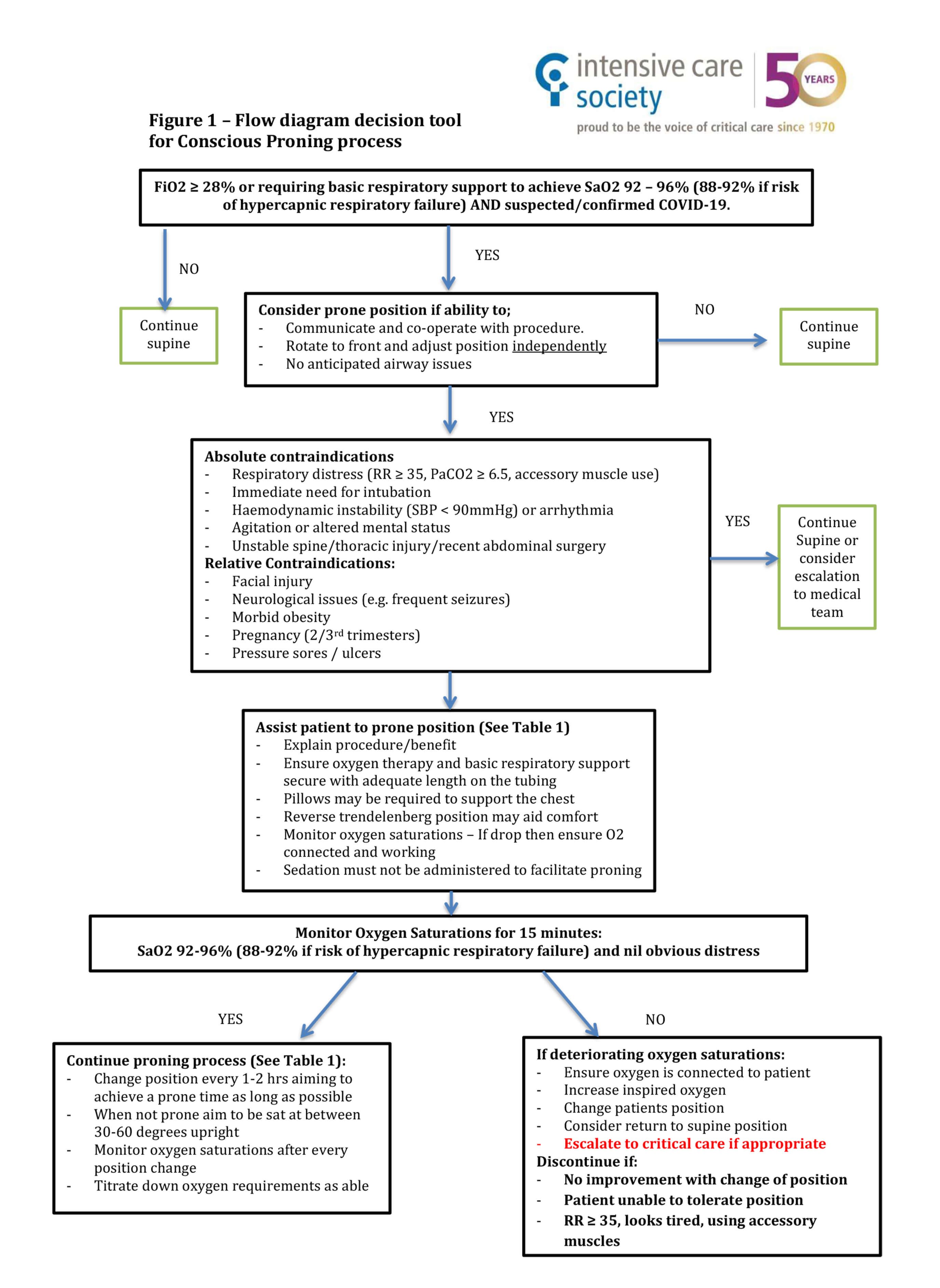
As one suggested approach, we suggest following the UK Intensive Care Society’s proning recommendations as outlined below.27
Awake pronation appears to be a safe, inexpensive, and versatile strategy which can be used at all levels across a variety of different healthcare settings.
Figure 1 - Flow diagram decision tool for conscious proning process
Click image to enlarge
Table 1 - Timed position changes for patients undergoing conscious proning process
| Timed position changes: If patient fulfills criteria for proning ask the patient to switch positions as follows. Monitor oxygen saturations 15 minutes after each position change to ensure oxygen saturation has not decreased. Continue to monitor oxygen saturations as per the National Early Warning Score (NEWS) 30 minutes to 2 hours lying fully prone (bed flat) 30 minutes to 2 hours lying on right side (bed flat) 30 minutes to 2 hours sitting up (30-60 degrees) by adjusting head of the bed 30 minutes to 2 hours lying on left side (bed flat) 30 minutes to 2 hours lying prone again Continue to repeat the cycle... |
References used in the preparation of Figure 1 and Table 1
1. Ding I, et al. Critical Care 2020; 24(1):28
2. Emergency Department Critical Care (EMCrit). 2016. PulmCrit Wee- Proning the non-intubated patient. Retrieved from https://emcrit.org/pulmcrit/proning-nonintubated/ [Accessed 10th April, 2020]
Click here for references for the above section.
Drug therapy
| Dexamethasone is recommended for patients requiring supplemental oxygen or mechanical ventilation. Heparin venous thromboembolism prophylaxis is recommended for all hospitalised patients. Therapeutic dosing is suggested for patients requiring >60% supplemental oxygen, or those with a D-dimer >6 times the upper limit of normal. Due to remdesivir's high cost and marginal benefit, routine use of the drug in hospitalised patients with COVID-19 is not recommended in the public sector outside of clinical trials. |
Corticosteroids
We recommend dexamethasone (6mg per day for 10 days) for the following indications:
- Patients with COVID-19 who are mechanically ventilated.
- Patients with COVID-19 who require supplemental oxygen but who are not mechanically ventilated.
If dexamethasone is not available, an alternative corticosteroid may be used, such as:
- Betamethasone 6mg daily p.o. or intravenous, for 10 days
- Prednisone 40mg daily p.o. for 10 days
For patients able to tolerate drugs them, oral corticosteroid formulations may reduce the need for intravenous access. Dexamethasone tablets are available via the section 21 application process.
Rationale: The Recovery trial, a large-scale randomised controlled open label multi-center adaptive trial recently reported preliminary results for its dexamethasone arm.1 Patients on invasive ventilation had an absolute reduction in mortality of 12% (95% CI 5.5-17.9%), with 9 ventilated patients needing to be treated to avert 1 death. There was a smaller benefit seen in those patients requiring supplemental oxygen, with a 3% reduction in mortality (95% CI 0.89-5.25%). 33 such patients would need to be treated to prevent 1 death.
| Note It is unclear whether these benefits can be extrapolated to the HIV population. In HIV-positive patients, special care should be taken to exclude tuberculosis and Pneumocystis jirovecii pneumonia coinfection. |
We recommend against using dexamethasone for the treatment of COVID-19 in patients who do not require supplemental oxygen or mechanical ventilation
| Note Systemic corticosteroids should not be withheld from patients who require them for another reason such as an acute exacerbation of asthma or chronic obstructive pulmonary disease. |
Rationale: In the Recovery trial, there was evidence of potential harm when dexamethasone was given to patients not requiring supplemental oxygen. Those receiving dexamethasone had a 4% absolute increase in mortality (relative risk 1.22, 95% CI 0.93-1.61), though the result did not reach statistical significance.1 In addition, glucocorticoids given to patients with other viral pneumonias such as SARS, MERS and influenza glucocorticoids, showed delayed viral clearance, no survival benefit and possible harms, such as hyperglycaemia and an increased risk of secondary nosocomial infections.2-4
Venous thromboembolism prophylaxis and pre-emptive therapy
We recommend that all hospitalised patients with COVID-19 receive prophylaxis against venous thromboembolic disease (VTE), in the absence of any contraindications.
We suggest that patients hospitalised with COVID-19 be considered for unfractionated or low molecular weight heparin at therapeutic doses (e.g. enoxaparin 1mg/kg 12-hourly based on actual weight) in the following scenarios:
- The patient requires supplemental oxygen at >60% oxygen concentration, or requires mechanical ventilation.
- The patient's serum D-dimers are greater than 6-times the upper limit of normal (i.e. above 1.5mg/L).
Rationale: A recent evidence review concluded that there was insufficient evidence for therapeutic-intensity doses of either unfractionated or low molecular weight heparin in patients with COVID-19 in the absence of proven VTE disease. However, the high incidence of VTE disease seen in several cohorts of patients with severe COVID-19 was noted.5, 6 In one cohort, therapeutic-intensity anticoagulation amongst COVID-19 patients in ICU was associated with a lower incidence of VTE.6 Local experience has also seen a number of concerning cases of severe venous and arterial thromboembolic disease. Based on expert opinion, the panel therefore suggested that a severely ill subset of hospitalised COVID-19 patients be given therapeutic intensity heparin. The weakness of the evidence for this practice was acknowledged however, and guidance will be updated once further evidence is available.
| Note: The risks of therapeutic anticoagulation need to be considered on a case-by-case basis for each patient. Where available, factor Xa monitoring may be beneficial, since heparin resistance has been described in severely-ill COVID-19 patients. 7 We do not recommend continuing anticoagulation therapy after discharge, as the risks of a major bleed outside of a hospital may outweigh any potential benefits. In patients on chronic antiplatelet therapy who are given therapeutic-intensity anticoagulation, consider temporarily withholding antiplatelet therapy unless there is a compelling indication for it to be continued. The possibility of pulmonary embolism, stroke, or myocardial infarction should be considered in any hospitalised patient with COVID-19 whose condition rapidly deteriorates. |
Remdesivir
Owing to remdesivir’s anticipated high cost and marginal benefit, we suggest that remdesivir not be used in patients with COVID-19 within the public sector, outside of a clinical trial. Remdesivir may be accessed via the section 21 application process for patients in the private sector, or for individual patients within the state sector, in accordance with the MEURI framework.
Rationale: One randomised control trial (RCT) showed that remdesivir shortened median time to recovery from 15 to 11 days, while an earlier RCT (which was underpowered as it could not complete recruitment) demonstrated no statistically significant benefits in any outcomes.8, 9 A meta-analysis of the two RCTs showed that remdesivir decreased the risk of disease progression to requiring ventilation.10 However, there were no statistically significant differences in mortality.
Other drugs
The National Essential Medicines List (NEMLC) COVID-19 subcommittee has produced rapid evidence reviews of a large number of potential therapeutic and prophylactic agents. These are updated regularly, and are available at: http://www.health.gov.za/index.php/national-essential-medicine-listcommittee-nemlc/category/633-covid-19-rapid-reviews
There is insufficient evidence to recommend any of the following drugs for the treatment of COVID-19 outside of a clinical trial:
- Interferon beta
- Intravenous immunoglobulin
- Tocilizumab
- Azithromycin
- Convalescent plasma
- Favipiravir
Due to the evidence of futility from large-scale randomised control trials, we recommend against using the following drugs to treat patients with COVID-19 outside of a clinical trial:
- Chloroquine or hydroxychloroquine
- Lopinavir/ritonavir
The guideline group are aware that many medicines are being used based on in vitro and observational data, such as vitamin D, vitamin C, beta-2-agonists and statins. None of these are currently recommended for the prevention or treatment of COVID-19, and some may do more harm than good. In addition, the evidence for the use of colchicine is currently undergoing review, and caution is advised until this review is complete. The evidence for all potential pharmacological interventions is constantly being monitored and the guidelines will be updated accordingly.
Where investigational therapeutics are given outside of a clinical trial, this should be done under the Monitored Emergency Use of Unregistered Interventions (MEURI) framework, which provide an appropriate structure to offer individuals investigational interventions on an emergency basis in the context of an outbreak with a high mortality.11 The principles of this include:
- Data providing preliminary support for the intervention's efficacy and safety are available, at least from laboratory or animal studies.
- The relevant human research ethics committee has approved the therapeutic's use.
- The patient's informed consent is obtained.
- Adequate resources are devoted to minimizing the risk of administering the therapeutic agent.
- The results of the intervention are documented and shared with the wider medical and scientific community.
Prophylaxis
There is currently insufficient evidence to recommend any drug as prophylaxis for COVID-19 other than in a clinical trial. The evidence for chloroquine or favipiravir as prophylaxis has specifically been reviewed by the NEMLC COVID-19 subcommittee and found to be insufficient to warrant a recommendation for their use.
Click here for references for the above section.
Palliative care of patients with COVID-19
| Palliative care of COVID-19 patients includes the alleviation of symptoms that are causing distress, and the promotion of a dignified death. The most common physical symptoms requiring palliation include breathlessness, anxiety, increased secretions, cough and fever. These can be at least partly alleviated via the judicious use of symptomatic treatment. |
In terms of the National Policy Framework and Strategy on Palliative Care, palliative care is the holistic multi-disciplinary care of a patient and family affected by a life-limiting or life-threatening illness. It is applicable from the time of diagnosis onwards for all adults and children across their lifespan, and includes bereavement care for the family.1 It is an approach which aims to improve the quality of life of patients, caregivers, and families by preventing and alleviating suffering through early identification, assessment and management of pain and other physical, spiritual or psychosocial conditions.2
While the palliative care principles of symptom control, and psychosocial and spiritual support are relevant from the time of diagnosis, this particular section is relevant to the care of severely ill patients who are not candidates for more intensive management and are deteriorating despite best supportive care. The goal in these patients is to alleviate the symptoms that cause distress and to promote a dignified death.
- Spiritual and psychological well-being are paramount, since many of these patients may die alone in a room without their loved ones present. To this end:
- Explain the prognosis to the patient and their family.
- Encourage them to talk to their family/friends on their phones if possible.
- Guide families on how to communicate with the patient, if this is needed.
- Refer patients and families to the palliative care team (if available) for further counselling as required. If a palliative team is not available, seek resources such as NGOs, hospices or faith-based organisations which are willing to assist with counselling services.
- Ensure the necessary privacy for both patients and their family.
- The most common physical symptoms requiring palliation include breathlessness, anxiety, increased secretions, cough and fever, as well as constipation from opioid use.
- Interventions include non-pharmacological and pharmacological strategies.
- Do not withhold medications for fear of respiratory depression.
- Doses in this guideline are a starting point and can be increased as necessary.
- The side effects of the medicines should be explained to the patient. Some may cause increased confusion and should be explained to the family (telephonically).
- Stop vital signs monitoring and routine blood tests during this phase of illness as this is uncomfortable for the patient and causes unnecessary contact.
- If the patient is unable to eat, do not use artificial (NGT/PEG etc) nutrition. Offer oral fluids as tolerated.
- Unnecessary medications for control of chronic illnesses may be stopped, unless essential for acute symptom management.
- Regular mouth care (cleaning and keeping moist) and skin care (regular turning) is essential.
A table of palliative symptom management options is provided below3.
- If a patient is unable to swallow, morphine controlled release tablets may be administered rectally.
- Some oral medications (but not slow/prolonged release formulations) may be crushed or capsules emptied into liquid and administered orally.
- If IV access is not available, medications may be administered subcutaneously (SC) through either a primed butterfly needle sited on the upper chest of back above the scapula and secured with a transparent dressing, or with a portable syringe driver (if available).
| Symptom | Non-pharmacological | Pharmacological |
| Fever | Cool cloth | Paracetamol 500mg-1g PO 6hrly/prn |
| Nausea | Metoclopramide 10mg PO/IVI/IM 8hrly/prn If metoclopramide is ineffective or contraindicated (i.e. inoperable bowel obstruction): haloperidol 1.5-5mg PO daily | |
| Breathlessness | Open window - fresh air Sit upright | Start with Morphine syrup at 2.5-5mg PO prn, if >2 doses needed /24 hours: Morphine controlled release tablets 10mg 12 hourly OR Morphine syrup 2.5-5mg PO 6hrly/prn If cannot swallow - Morphine sulphate 1mg IVI/SC - can repeat 6hrly if necessary If severe underlying respiratory disease (e.g. COPD): start with morphine syrup at 1mg PO prn/6hrly If able to swallow tablets, can convert to morphine controlled release tablets (24-hour requirement/2 given 12 hourly) Give nausea prophylaxis and add laxatives Increase dose as required for symptom control. |
| Cough | Morphine as above | |
| Anxiety - can contribute to breathlessness | Deep breathing Talking to family may help Counselling | Benzodiazepine - e.g. diazepam 2.5-5mg PO. Repeat if required up to 12-hourly. OR lorazepam 0.5-1mg PO. Repeat as necessary to control symptoms. If patient is unable to take oral medication: midazolam SC/IV 1-5mg as needed; titrate to effect. |
| Respiratory secretions | Position semi-prone for postural drainage or sit upright/semi-recumbent if pulmonary oedema or reflux | Hyoscine butylbromide 20mg SC/IM. Increase dose to effect to maximum of 120mg. |
| Delirium | Orientation Treat other symptoms - pain, hypoxia, anxiety | Haloperidol 0.5mg 8 hourly PO/IVI/SC. Titrate dosage up as required and use the minimum dose that controls the symptoms. In the elderly or where there is no response or resistance to haloperidol: ADD lorazepam 0.5-1mg 2-4 hourly PO as required. Tablets may be crushed and administered sublingually. OR in patients unable to swallow: midazolam 0.5-5mg SC/IV immediately. Titrate up slowly. Lower doses are indicated for patients with liver dysfunction. |
| Constipation (side effect of opioids) | The combination of a softener and stimulant laxative is generally recommended, and the choice of laxatives should be made on an individual basis. Sennosides A and B, 13.5mg PO at night. In resistant cases, increase to 2 tablets AND/OR Lactulose 15-30ml 12-24 hourly PO. Severe constipation in patients who are unable to swallow: bisacodyl 10mg suppository PR daily OR glycerine (glycerol), 2.4g suppository PR when necessary. |
Remember
- Continue supplemental oxygen as needed.
- Stop artificial fluids/feeds - continue orally as tolerated.
- Continue regular mouth and skin care as far as contact precautions allow.
- Allow the patient to talk to family on their own phone if possible.
Click here for references for the above section.
Special populations: children, newborns, pregnant and breastfeeding women, and people living with HIV
Children
- Childhood is a period of innate physical, social and psychological vulnerability which are likely to be aggravated by the COVID-19 pandemic as children become infected or affected.
- Children may be infected by SARS-COV 2 virus, albeit with lower subsequent morbidity and mortality than adults. In the early Chinese experience, children under 10 years of age1:
- Accounted for fewer than 1% of all cases;
- Acquired their infection at home (82-90%);
- Were asymptomatic (4%) or had mild (51%) or moderate (39%) disease;
- Had very few reported deaths.
- The clinical picture and treatment of children is similar to that of adults. The case definition for adults and children is the same. However, our understanding of the entire spectrum of COVID-19-related symptoms continues to evolve and may be different at different ages. If in doubt, healthcare workers should seek additional advice and if still unsure err on the side of testing.
The focus of any response for children to the COVID-19 pandemic should include:
1. Protection and prevention of primary infection:
- Provide routine childcare, focussing on nutritional support, stimulation and love.
- Ensure environmental hygiene.
- Promote appropriate infection prevention and control (IPC) practices including hand hygiene; masks for children over 2 years of age; respiratory etiquette and social distancing.
- Self-isolation and quarantine together with the primary caregiver, as appropriate.
2. Early detection, isolation and treatment if infected:
- Suspect COVID-19 infection in every child with an acute respiratory infection. Isolate and test each such child.
- Assess the severity of their clinical condition:
| Mild | Active child with no respiratory distress; SpO2 >95% in room air |
| Moderate | Restless; tachypnoeic, chest indrawing; SpO2 <92% in room air |
| Severe | Tachypnoeic; chest indrawing; SpO2 <92% in room air; cyanosis |
- Explore differential diagnosis and risk factors, e.g. chronic disease; address holistic needs in terms of HIV status, TB risk, nutritional assessment, etc.
- Manage according to this assessment - the focus of treatment is supportive, including nutritional support, oxygen and paracetamol (as required for pain or fever), avoid NSAIDs unless indicated for other conditons.
- Mild: isolate at home; paracetamol; alert to danger signs (severe diarrhoea, shaking, not moving/waking or swelling of body/legs) or worsening of respiratory distress.
- Moderate: cohort/isolate in hospital; oxygen to keep SpO2 >92% (see below); monitor 3-4 hourly, paracetamol, empiric antibiotics according to paediatric standard treatment guidelines.
- Severe: discuss with local HCU/ICU for possible admission and transport using PPE; general respiratory supportive measures (oxygen, stopping feeds, nursing prone); manage for severe pneumonia (according to paediatric standard treatment guidelines).
| Guidance on oxygen therapy: If unable to maintain SpO2 >92% in room air add nasal prong oxygen (NPO) at 2l/min If unable to maintain SpO2 >92% in NPO at 2l/min then change to 40% face mask (pink) oxygen at 8l/min If unable to maintain SpO2 >92% in 40% face mask (pink) oxygen at 8l/min then change to 60% face mask (orange) at 10l/min If unable to maintain SpO2 >92% in 60% face mask oxygen at 10l/min change to face mask oxygen with reservoir bag (non-rebreather face mask) at 15l/min and contact nearest PICU If unable to maintain SpO2 >92% in face mask oxygen with reservoir bag (non-rebreather face mask at 15l/min consider transfer to nearest PICU if bed available PICU would consider the use the HFNC and NIV Use a surgical mask over the child's face with the use of any forms of oxygen therapy especially high flow oxygen whether with or without the machine and NIV to help protect the HCW |
- nCPAP/BiPAP are beneficial to individual children. However, the risk to staff and caregivers from aerosolisation is uncertain, may be high and persists for as long as the modality of care is being used. These modalities should therefore only be considered in the following circumstances:
- The child must be nursed in an isolation room. Ideally this room should have negative pressure. If negative pressure is not available then the child should be in a Perspex intubation box or other form of barrier if this is available.
- Staff must wear PPE that includes a visor and N95 mask continuously whilst in the same room as the child.
- Filters must be applied to the nCPAP/BiPAP exit limb tubing.
| Precautionary measures during resuscitation and stabilization of a child Personal protective equipment must be utilised by all HCW at any health care level in caring for all cases where resuscitation is required. These include use of N95 mask, visor, hair cover and Perspex intubation box if available. Oral intubation with a cuffed tube is preferred. |
3. Psychosocial support and child-caring arrangements for both infected and affected children:
- Balance the need for isolation to prevent spread to other people, with basic needs of every child for love, care and support.
- Do not separate children from their primary caregiver and support access to their mothers/primary caregivers where this is feasible
- Advise families on child-caring practices that avoid contact of children with at-risk populations (elderly, co-morbidities), as far as practically possible.
- Ensure access to stimulation activities and play.
- Provide basic information to mother and older children on their condition and treatment.
4. Preservation of and access to routine health services:
- Ensure ongoing provision of routine paediatric and child health services including access to immunisations; acute and emergency care; nutritional support and care of long-term health conditions (including HIV, TB, asthma, epilepsy, and others).
Newborns
- Whilst there is a risk of horizontal transmission of infection from a COVID-19 positive mother to her newborn baby these infections appear to be mild. There is no evidence to date that vertical transmission occurs. Babies are currently considered potentially infectious for 14 days after birth and staff should use hand hygiene and standard PPE in caring for them (gloves, surgical mask, apron, eye protection if risk of mucosal splash).
- As far as possible do NOT separate a COVID-19 positive mother from her baby.
- Well mothers should participate in the care of their babies but IPC (including hand and breast hygiene, face mask, respiratory hygiene) is essential.
- Unwell mothers should not participate in the care of their babies and the family should identify an alternative, COVID-19-uninfected caregiver into whose care the baby should be discharged. If this is not possible, the neonate needs to be admitted.
- Promote breastfeeding by well mothers. Unwell mothers should be encouraged to express their breastmilk if they can.
- The case definition is the same as for children or adults, although it is expected that neonatal presentations may sometimes be atypical, without a typical influenza-like illness or fever. A high index of suspicion should be maintained. Neonates from home may also present for medical care after initial discharge from the birthing facility. COVID-19 infection should be included in the differential diagnosis of any neonate presenting with acute respiratory disease, pneumonia or sepsis, and such neonates should be tested for COVID-19 on presentation.
- Well babies should:
- Remain with their mother in isolation;
- Not be admitted to the neonatal ward/nursery, unless absolutely necessary. Any required treatment (like phototherapy, glucose monitoring, etc.) should be administered in the postnatal ward if possible (staff to use standard PPE);
- Receive the usual postnatal care (staff to use standard PPE);
- Not have a COVID-19 test;
- Be discharged as soon as possible with advice to the mother regarding danger signs (respiratory distress/fever, etc.);
- Be considered potentially infectious for 14 days and must self-isolate with the mother at home
- Well babies whose mother is unable to care for them and who are awaiting a caregiver should:
- Be isolated in a closed incubator;
- Be cohorted or isolated if possible, and receive no visitors;
- Receive the usual postnatal care and expressed breastmilk if possible;
- Be discharged as soon as possible with advice to the caregiver regarding feeding and danger signs (respiratory distress/fever, etc.);
- Be considered potentially infectious for 14 days and must self-isolate with the caregiver at home.
- Unwell/symptomatic babies should:
- Be isolated in a closed incubator (cohorted or in an isolation room if available);
- Have a COVID-19 test on day 3 of life if he/she meets the case definition, or at another time if clinically indicated (tests done before 72 hours of age may give a false negative result). This must be repeated on day 5 of life if the first test is negative;
- Receive no visitors, including their mother, for 14 days;
- Receive expressed breast milk if possible. Mixed feeding should be avoided if possible, especially if HIV-exposed;
- Be considered potentially infectious for 14 days;
- Be discharged according to neonatal condition and, if needs be, complete self-isolation at home.
- Aerosol precautions should be taken for any aerosol-generating procedure (intubation, extubation, bag mask ventilation and open suctioning of the respiratory tract, surfactant administration, obtaining nasopharyngeal/oropharyngeal swabs, all forms of ventilation (non-invasive and invasive) which includes CPAP and high flow nasal cannulae).
- On discharge, the follow-up of baby needs to be planned. This includes preventative advice regarding infection (hand hygiene, cough etiquette, mask use) and importance of immunisation and routine care.
Pregnant and breastfeeding women
- Although evidence is limited, there is currently no indication that pregnant women are at higher risk of either contracting COVID-19 or of worse maternal outcomes with COVID-19. 2,3
- Similarly, definitive in utero transmission of COVID-19 has not been established, although possible cases have been described.4-8 In one study of six mothers with COVID-19, SARS-CoV-2 was not detected in any of the amniotic fluid, cord blood, neonatal throat swab, or breastmilk samples.5
- All antenatal care must continue during the COVID pandemic to avoid preventable pregnancy complications. Pregnant women with mild COVID-19 with no current obstetric complications can delay their antenatal visits until they are noninfectious.
- Outpatient examination and all inpatient management of pregnant women with COVID-19 should be carried out in an appropriate isolation area. For intrapartum care, delivery and immediate postnatal care, dedicated midwives should be allocated to care for the woman and her newborn. These midwives should preferably not be involved with managing other women in labour on the same shift.
- COVID-19 is not in itself an indication for caesarean delivery. Women with COVID-19 infection should be allowed to deliver vaginally, unless there are clear obstetric indications for caesarean section.
- Shortening the second stage of labour by assisted vaginal delivery can be considered if the woman is exhausted or has respiratory distress.
- Women with COVID-19 may breastfeed. However, they should practice excellent hand and respiratory hygiene, and should wear a surgical or cloth mask while breastfeeding. They should wash hands before and after touching the baby, and clean and disinfect surfaces they have touched. For women expressing breastmilk, dedicated breast pumps and feeding cups should be used. Feeding cups must be cleaned and heat disinfected between use.
People living with HIV
- Although the risk of COVID-19 in those living with HIV is yet to be fully determined, observational data from South Africa suggests that HIV is associated with a doubling of the COVID-19 mortality risk.9
- As untreated (and even treated) HIV is a risk factor for many respiratory infections, we anticipate that COVID-19 will impact on this population. This risk may be exacerbated with age and other comorbidities such as tuberculosis, post-TB bronchiectasis and COPD.
- For patients already on antiretroviral therapy (ART), ensure that the patient obtains an adequate supply of all drugs, including prophylaxis as required. Supplies of up to 6 months are appropriate if adherence is good. Emphasise the importance of maintaining an undetectable viral load, and ensure that a contact point exists with a health care worker.
- For patients newly diagnosed with HIV, ART should be started as soon as the patient is ready.
- Ensure patients have been adequately vaccinated (e.g. against influenza).
- Distinguishing COVID-19 from PJP may be extremely difficult. In the appropriate context (e.g. CD4 <200, not on cotrimoxazole prophylaxis for >1 month, chest infiltrates compatible with PJP on X-ray, and hypoxaemia) we suggest empiric coverage for PJP with cotrimoxazole (or alternatives if cotrimoxazole is contraindicated) while COVID-19 is ruled out.
- In this scenario, we suggest testing for serum beta-D-glucan (BDG) levels, and sending sputum (if productive) for PJP (by PCR or special staining as per local lab protocol - do not induce sputum however). Although both tests have significant limitations (BDG is insufficiently specific, and routine sputum testing for PJP has a very poor sensitivity), they may be justified in the context of the COVID-19 pandemic to assist with differentiating these two aetiologies.
Click here for references for the above section.
De-isolation and return to work
Recommendations
| Symptomatic patients with mild disease (not requiring hospitalisation for COVID-19) can be de-isolated 10 days after the onset of their symptoms, provided their fever has resolved and their other symptoms are improving. Hospitalised patients with moderate-severe disease (who require hospitalisation due to COVID-19) can be de-isolated 10 days after achievement of clinical stability (i.e. from when they are not requiring supplemental oxygen and are otherwise clinically stable). Asymptomatic patients can be de-isolated 10 days after their test. Repeat PCR testing is NOT requirred in order to de-isolate a patient and is not recommended. |
It is common for patients to continue to have symptoms for longer than the above time periods. Full recovery may take several weeks for some patients, especially for symptoms such as fatigue, cough and anosmia. Patients who are still symptomatic at the end of their isolation period can be de-isolated provided that their fever has resolved and their other symptoms have shown improvement. Patients admitted to hospital can continue their isolation period at home or at an isolation facility once clinical stability has been achieved.
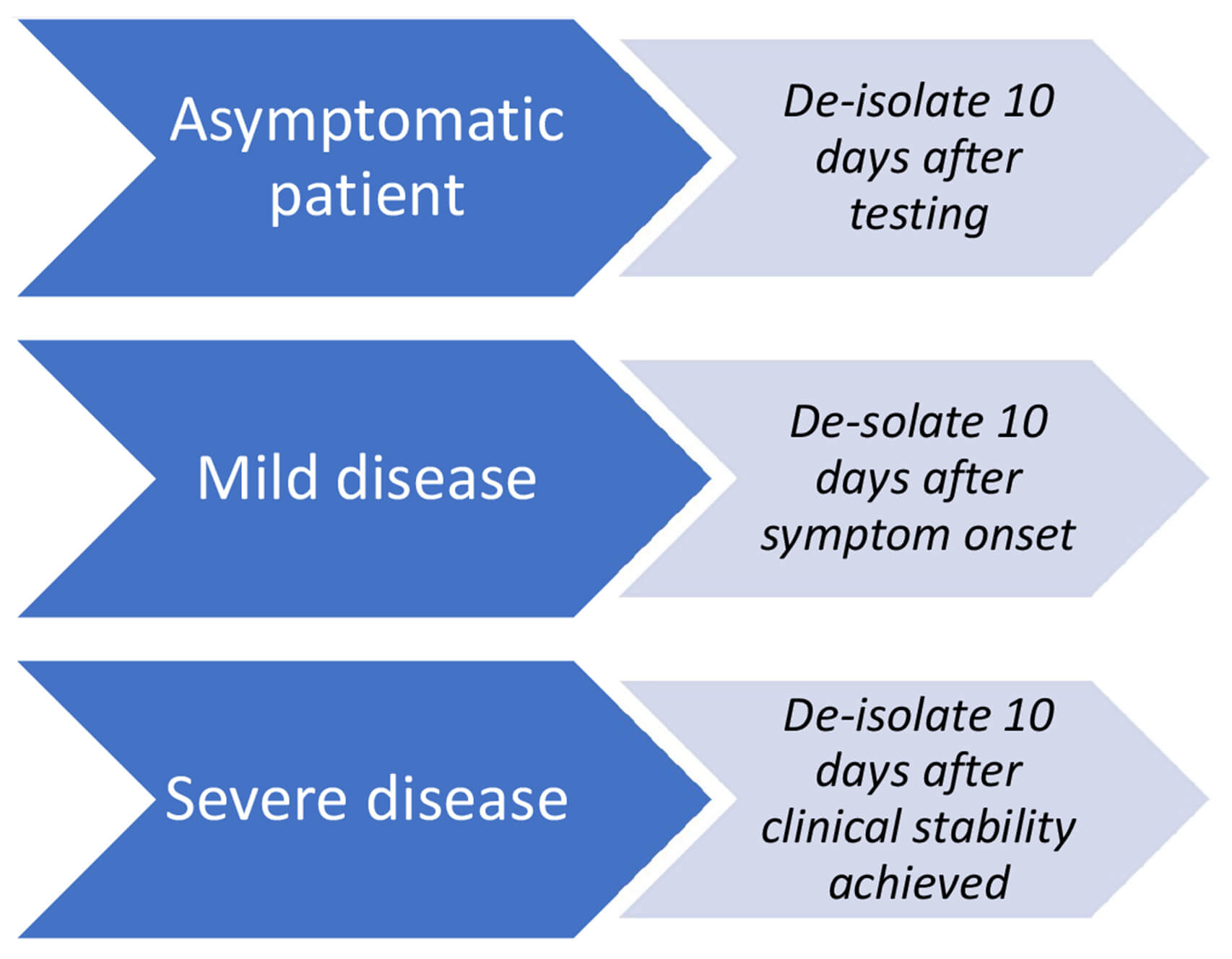
Click on image to enlarge
Distinction between isolation period and returning to work
The recommended isolation time is the period during which a patient is still considered infectious.This should be distinguished from the point at which a patient is medically well enough to return to work. Some patients, especially those who have had severe disease, may require to be booked off sick for longer than the above isolation periods.
Rationale for recommendations
Duration of viral shedding
Most patients with mild COVID-19 infection continue to shed SARS-CoV-2 nucleic acid from their upper airways for a median of approximately 7-12 days.1-3 The duration of shedding is longer in severe cases,though in both mild and severe cases, significant variation is seen.1,3,4 Prolonged viral shedding for over a month has been described in cases of both mild and severe disease.5
Viral shedding does not equate to infectiousness
The presence of detectable virus nucleic acid by RT-PCR does not necessarily imply infectiousness. The virus may be detectable by PCR assays at a level below the threshold required to infect someone, or the virus may not be replication competent. A better proxy for infectiousness is the ability to successfully culture the virus from a sample. The measure is imperfect in that it is still theoretically possible to successfully culture a virus at an inoculum below the infectious dose, or the infectious dose may be lower than the quantity capable of being cultured. However, the successful culture of a virus at a minimum implies both that the virus is replication competent and that the inoculum is not trivially small.
In mild cases, cultures are generally only positive for 8-9 days after symptom onset
In a small cohort of 9 mild COVID-19 cases from Germany by Wölfel et al., viral loads and viral cultures were performed on a variety of specimens simultaneously.6 The virus was readily culturable from specimens taken during the first week of symptoms (17% from swabs, 83% from sputum), but no positive cultures were obtained from samples taken after 8 days from symptom onset. This was despite ongoing high viral loads being detected at the time. The paper estimated that the likelihood of recovering replication-competent virus would approach zero by day 10. This paper informed previous version of the guidelines, but due to concerns about generalizing from a very small sample that was limited to mild cases only, a precautionary buffer of 14 days of isolation was recommended.
In a much larger cohort, published after the release of the version 4 of the clinical management guidelines, ninety SARS-CoV-2 RT-PCR positive samples from patients in Manitoba, Canada were incubated for culture.7 Virus was successfully isolated from 26 of these (28.9%). Notably, there was no culturable virus in samples with a real-time PCR cycle threshold value of >24, or in samples obtained later than 7 days after symptom onset. It is unclear from the manuscript what proportions of the samples came from patients with asymptomatic, mild, and severe disease.
Lastly, in a cohort study in the United States, SARS-CoV-2 RT-PCR positive samples from residents of a skilled nursing facility underwent viral culture (n=48).8 Positive cultures were obtained from samples taken up to 9 days after the onset of typical symptoms (fever, cough, or shortness of breath). Patients in this cohort ultimately displayed a range of severity, from asymptomatic through to severe disease.
Variations for asymptomatic and severely ill patients
The duration of infectiousness in patients with severe disease (i.e. requiring admission due to clinical instability) less well established. In general, patients with severe disease may continue to shed virus at higher levels for longer periods than patients with mild disease. One study of 129 severely-ill hospitalised patients did indeed find viable virus for a median of 8 days, with an interquartile range of 5-11 days.9 The probability of a positive culture in this cohort dropped below 5% after 15 days from the onset of symptoms. To provide a safe buffer, we therefore suggest de-isolating such patients 10 days after clinical stability has been achieved (e.g. after supplemental oxygen was discontinued), rather than 10 days after symptom onset.
Asymptomatic patients represent a conceptual challenge, since unlike symptomatic patients it is not possible to easily estimate where in the course of viral shedding they are at the time point at which they test positive. For simplicity, and to err on the side of caution, the guidelines committee recommends that asymptomatic patients be isolated for 10 days following their test date.
Staff in healthcare and laboratory settings
For a guide to the management of staff in healthcare and lab settings with COVID-19 illness and exposure, please consult the latest version of the Guideline for symptom monitoring and management of essential workers for COVID-19 related infection.
Click here for references for the above section.
Infection prevention and control (IPC)
| Appropriate personal protective equipment when in close contact with COVID-19 cases includes standard, droplet and contact precautions. Aerosol-generating procedures require aerosol precautions to be taken, including the use of an N95 respirator or equivalent. |
IPC is a critical and integral part of clinical management of patients and should be initiated at the point of entry of the patient to hospital (typically the Emergency Department). A combination of standard, contact and droplet precautions should be practiced for all COVID-19 cases, and further precautions when performing aerosol-generating procedures (AGP).
Standard precautions are used to prevent or minimize transmission of pathogens at all times and should be applied to all patients in healthcare facilities irrespective of their diagnosis or status. These include hand hygiene, appropriate use of PPE, safe handling of sharps, linen and waste, disinfection of patient care articles, respiratory hygiene, occupational health and injection safety.
Transmission-based precautions - droplet, and contact:
- Hand hygiene is the first and most essential aspect.
- Healthcare worker PPE consists of gloves, gown (or apron), and a medical mask.
- Safe waste management.
- Use either disposable or dedicated equipment (e.g. stethoscopes, blood pressure cuffs and thermometers). If equipment needs to be shared among patients, clean and disinfect between each patient use.
- Limit patient movement within the institution (e.g. where possible, use portable X-rays rather than sending the patient to the X-ray department), and ensure that patients wear medical masks when outside their rooms.
Aerosol-generating procedures:
Aerosol precautions are required when performing aerosol-generating procedures. These include taking respiratory tract samples for SARS-CoV-2 testing (such as nasopharyngeal and oropharyngeal swabs), intubation, bronchoscopy, open suctioning of the respiratory tract, and cardiopulmonary resuscitation.
Aerosol precautions for healthcare workers:
- Healthcare worker PPE consists of gloves, gown (or apron), a fit-tested particulate respirator (N95 respirator or equivalent), and eye protection (goggles or face shield).
- Use an adequately ventilated single room when performing aerosol-generating procedures, with spacing between beds of at least 1-1.5 metres.
A fuller discussion of IPC is beyond the scope of these guidelines. Comprehensive national IPC guidelines for COVID-19 are available at the NICD’s website: https://www.nicd.ac.za/diseases-a-z-index/covid-19/covid-19-guidelines/
Recording and reporting
It is vital to record and report cases of COVID-19 in order to track the size and severity of the epidemic,the care received by patients in and out of hospital, and to identify areas for improvement in current and future outbreaks. There are different tools which will be needed to record and report clinical cases of COVID-19.
| Tool (click for link) | When to complete | Comments |
| Contact line list | To be completed for all individuals suspected of COVID-19 disease and having a specimen taken | This needs to be completed for all patients from whom COVID-19 samples are collected. |
| Laboratory specimen submission form | For all COVID-19 specimens | Always include patient’s ID/passport number and contact details |
| Clinical platform for hospitalised patients | To be completed for all confirmed inpatients daily (until discharge). | This form will document the presence of comorbidities,clinical progression, treatment and outcomes. |
| Home assessment forms1 | To be completed at de-isolation,for all patients being cared for at home | This form will document patient progress and outcomes |
| Notifiable medical condition (NMC) case notification | To be completed for all confirmed COVID-19 cases | No longer required to notify suspected cases, only confirmed cases. |
1 A paper/modifiable PDF version of the home assessment form is available at the NICD’s website. Completed forms should be emailed to ncov@nicd.ac.za
The online version of the contact line list is available at https://cci.nicd.ac.za. It is also available as an app on Android mobile devices: https://play.google.com/store/apps/details?id=com.NICD.contactTracer&gl=ZA
The clinical platform for hospitalized patients is available at: https://nicd.comunity.me/d/NICD/
Online versions of the NMC forms can be completed at https://mstrmobile.nicd.ac.za/nmc/
An Android app for this is also available at the same link.