Diabetic Kidney Disease
Diabetic Kidney Disease
Identification and monitoring of diabetic kidney disease
Estimation of glomerular filtration rate
Other kidney diseases in people with diabetes
Prevention, treatment and follow up
Modifications of antidiabetic drugs in patients with type 2 diabetes mellitus
(See Strength of Recommendations Taxonomy (SORT) for explanation of Grade A-C)
| SEMDSA 2017 Recommendations | |
|
In adults, screening for CKD in diabetes should be conducted using a random urine ACR and a serum creatinine converted into an eGFR
|
C |
|
Screening should commence at diagnosis of diabetes in individuals with type 2 diabetes and repeated yearly thereafter
|
C |
|
A diagnosis of CKD should be made in patients with a random urine ACR ≥ 2.0 mg/mmol and/or an eGFR < 60 mL/min on at least two of three samples over a three month period
|
C |
|
All patients with diabetes and CKD should receive a comprehensive, multifaceted approach to reduce cardiovascular risk
|
A |
|
Adults with diabetes and CKD with either hypertension or albuminuria should receive an ACE inhibitor or an ARB to delay progression of CKD
|
A |
|
People with diabetes on an ACE inhibitor or an ARB should have their serum creatinine and potassium levels checked at baseline and within one to two weeks of initiation or titration of therapy, and during times of acute illness
|
C |
|
Adults with diabetes and CKD should be given a “sick day” medication list that outlines which medications should be withheld during times of acute illness
|
C |
|
Combination of agents that block the renin-angiotensin-aldosterone system (ACE inhibitor, ARB, DRI) should not be routinely used in the management of diabetes and CKD
|
A |
|
Doses of anti-diabetic drugs may require adjustment as renal function declines
|
C |
|
People with diabetes should be referred to a nephrologist or endocrinologist with an expertise in CKD in the following situations:
|
C |
Abbreviations:
ACE, angiotensin-converting enzyme; ACR, albumin-to-creatinine ratio;
ARB, angiotensin II receptor block; CKD, chronic kidney disease; DRI, direct renin inhibitor.
INTRODUCTION
Chronic kidney disease (CKD) is defined as the presence of kidney damage (usually detected as urinary albumin excretion of ≥30 mg/day, or equivalent) or decreased kidney function (defined as estimated glomerular filtration rate [eGFR] <60 mL/min/1.73 m2) for three or more months, irrespective of the cause.1 The persistence of the damage or decreased function for at least three months is necessary to distinguish CKD from acute kidney injury (AKI). Kidney disease attributable to diabetes is referred to as diabetic kidney disease (DKD).2
In South Africa, hypertension and type 2 diabetes are the dominant diseases associated with kidney failure, particularly in black ethnic groups.3 Hypertension and other common chronic kidney diseases may also contribute to the aetiology of chronic kidney disease (CKD) in diabetic patients. In Africa, the overall prevalence of CKD in patients with diabetes varied from 11% in Tunisia to 83.7% in Tanzania.4 The prevalence of DKD in South Africa is 14-16%5 and 30.4% of patients on renal replacement therapy have diabetes.6
IDENTIFICATION AND MONITORING OF DIABETIC KIDNEY DISEASE
Albumin excretion (albuminuria) and glomerular filtration rate (GFR) are both required to diagnose and monitor DKD.
SCREENING FOR ALBUMINURIA
Albumin excretion is an indicator of kidney damage in DKD.2 Classic DKD progresses from subclinical disease to the earliest clinically detectable stage, which is characterised by persistent proteinuria (Figure I).7,8 The rate of progression from normal albuminuria to moderately increased albuminuria, then to severely increased albuminuria is usually slow and it may take 5 years or longer to progress through each albuminuria stage (Table I). During the advanced overt proteinuria phase, the rate of decline of renal function can accelerate.7 Risk factors for DKD include long duration of diabetes, poor glycaemic control, hypertension, male gender, obesity and cigarette smoking.7 Apart from predicting DKD, moderately increased albuminuria (formerly known as microalbuminuria) is also a marker of cardiovascular disease risk.9
There is considerable intra-individual variation in daily albumin excretion necessitating the collection and testing of more than one specimen.2 Daily albumin excretion may be increased by episodic hyperglycaemia, high blood pressure, high protein diet, fever, exercise, urinary tract infection and heart failure.2 Moderately increased albuminuria (albumin excretion between 30-300 mg/day) is potentially reversible by treating raised blood pressure, plasma glucose and serum lipid levels to target in patients with type 1 diabetes,10and by administering drugs that inhibit the renin angiotensin aldosterone system (RAAS) in patients with type 2 diabetes.1,11
Figure I. Level of urinary albumin by various test methods and stage of diabetic kidney disease. ACR, urine albumin-to-creatinine ratio. Adapted from.7
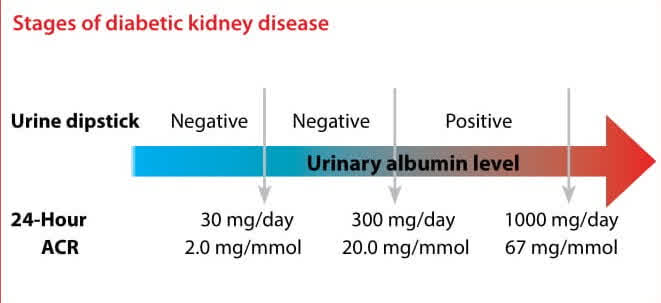
Table I. Classification of chronic kidney disease based upon albuminuria1,7
| Albuminuria Stages | Qualitative description | AER (mg/day) |
Urine ACR (mg/mmol) |
| 1 |
Normal to mildly increased
|
< 30 | < 2 |
| 2 |
Moderately increased
|
30 - 300 | 2-20 |
| 3 |
Severely increased (may be subdivided into nephrotic and non-nephrotic and for differential diagnosis, management, and risk prediction)
|
> 300 | > 20 |
*Adapted from References.1,7 Values are for urinary albumin, not total urinary protein, which will be greater than urinary albumin levels.
Table II. Classification of chronic kidney disease based upon glomerular filtration rate 1,7
| Stages of chronic kidney disease of all types | ||
| GFR stages | Qualitative description | Renal function (ml/min/1.73m2) |
| 1 |
Kidney damage - normal or high GFR
|
< 90 |
| 2 |
Kidney damage - mildly ↓ GFR
|
60 - 89 |
| 3a |
Kidney damage – mildly to moderately ↓ GFR
|
45 - 59 |
| 3b |
Kidney damage – moderately to severely ↓ GFR
|
30 - 44 |
| 4 |
Kidney damage - severely ↓ GFR
|
15 - 29 |
| 5 |
Kidney failure (or dialysis)
|
< 15 |
Table III. Factors favouring the diagnosis of classical DKD or alternative renal diagnoses.2,7
| DKD vs. Alternative renal disease | |
|
Favours DKD
|
Favours alternative renal diagnosis
|
|
Persistent albuminuria
|
Extreme proteinuria (>6 g/day)
|
|
Bland urinary sediment
|
Persistent haematuria (micro- or macroscopic) or active urinary sediment
|
|
Slow progression of disease
|
Rapidly falling eGFR
|
|
Low eGFR associated with overt proteinuria
|
Low eGFR with little or no proteinuria
|
|
Other complications of diabetes present
|
Other complications of diabetes (e.g. retinopathy) not present or relatively not as severe
|
|
Known duration of diabetes > 5 years
|
Known duration of diabetes < 5 years
|
|
Refractory hypertension
|
|
|
> 30% reduction in eGFR within 3 months after initiation of an ACE-inhibitor or an ARB
|
|
|
Family history or non-diabetic renal disease (e.g. polycystic kidney disease)
|
|
|
Signs or symptoms of systemic disease
|
|
ESTIMATION OF GLOMERULAR FILTRATION RATE
Glomerular filtration rate is used to quantify kidney function.2 Estimated glomerular filtration rate (eGFR) is recommended to determine and monitor kidney function in DKD and other causes of CKD.2 In spite of limitations, the Modification of Diet in Renal Disease Study Group (MDRD) formula13 remains the preferred method of calculating eGFR.2 This equation requires knowledge of the patient’s age, sex, serum creatinine and race. The eGFR is particularly useful for assessing changes in renal function over prolonged periods but should not be used in situations where kidney function may be acutely compromised e.g. during dehydration. CKD can be conveniently staged according to eGFR (Table II).
OTHER KIDNEY DISEASE IN PEOPLE WITH DIABETES
Relying on albuminuria alone may be insufficient in identifying all patients with diabetes who have renal disease.7 In a biopsy series it was found that hypertensive or ischaemic nephropathy was as common as diabetic glomerulosclerosis in patients with type 2 diabetes with evidence of chronic kidney disease (CKD).14
Health care workers should be aware that other common diseases may be the cause of kidney disease in a patient with diabetes or that other diseases may co-exist in these patients. This is especially true in South Africa with its high burden of HIV and the potential for HIV-associated CKD.3 The most important distinguishing features between DKD and other causes of CKD are shown in Table III. Additional testing and/or referral may be necessary to determine the cause of kidney disease in patients with diabetes exhibiting any of these features.
SCREENING RECOMMENDATIONS
Precautions
Exclude transient causes of albuminuria (e.g. recent strenuous exercise, menstruation, fever, urinary tract infection, pregnancy, uncontrolled heart failure, acute severe elevation in blood pressure or blood glucose), low eGFR (e.g. dehydration, hypovolaemia), and acute renal failure on clinical grounds before each screening and urine dipstick testing.7
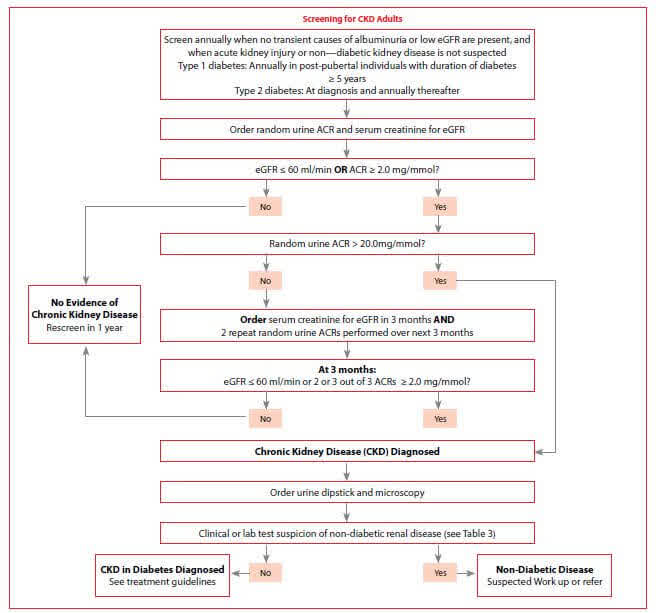
Figure II. Screening for chronic kidney disease (CKD) in people with diabetes. ACR, albumin-to-creatinine ratio; eGFR, estimated glomerular filtration rate7
Indications for screening
Annual screening for DKD is indicated in all post-pubertal people with type 1 diabetes 5 years after diagnosis, and in all people with type 2 diabetes at the time of diagnosis and annually thereafter.7
Screening for CKD in people with diabetes should ideally be performed with the measurement of the albumin level in a first morning urine specimen and a serum creatinine measurement that is then converted into an eGFR and the result expressed as ACR8 (Figure II). When a first morning urine specimen is inconvenient, an untimed “spot” urine sample is acceptable.8
An abnormal screening test should be confirmed by repeat testing of the eGFR within three months, and two more urine ACR measurements performed during that interval.7,8 If either the eGFR remains low or at least two of the three random urine ACRs are abnormal, then a diagnosis of CKD is confirmed.8
The exception to this approach is when the random urine ACR indicates albuminuria in the severely increased albuminuria range, as this level of proteinuria rarely resolves spontaneously, so confirmatory testing is usually unnecessary.7
Once a diagnosis of CKD has been made, a urine sample for dipstick and microscopy should be ordered.7 In the absence of any significant abnormalities other than proteinuria, a presumptive diagnosis of kidney disease due to diabetes can be made. The presence of clinical or laboratory abnormalities suggesting nondiabetic kidney disease indicates the need for appropriate workup or referral.7
Table V. Modifications of antidiabetic drugs in patients with type 2 diabetes
|
Class
|
Drug
|
Dosing recommendation stages 3 and 4 CKD or kidney transplant
|
Dosing recommendation dialysis
|
|
Second-generation Sulfonylureas
|
Glipizide, gliclazide
Glibenclamide Glimepiride |
Preferred sulfonylurea
No dose adjustment Avoid Initiate at a low dose, 1mg/day |
Preferred sulfonylurea
No dose adjustment Avoid Avoid |
|
Glucosidase inhibitors
|
Acarbose
|
Not recommended if serum creatinine >180μmol/L
|
Avoid
|
|
Biguanides
|
Metformin
|
See text
|
Avoid
|
|
Meglitinides
|
Repaglinide
Nateglinide |
No dose adjustment
Initiate at low dose (60mg before each meal) |
|
|
Thiazolidinediones
|
Pioglitazone
|
No dose adjustment
|
No dose adjustment
|
Adapted from the Kidney Disease Outcomes Quality Initiative (KDOAI) guidelines.3
PREVENTION, TREATMENT & FOLLOW UP
Prevention
Tight blood sugar control in patients with type 1 diabetes reduces the risk of developing microvascular diabetes complications including DKD.15 Tight blood sugar control comes at the risk of hypoglycaemia and there is no firm evidence for specific blood glucose targets. There is a lack of evidence from RCTs on the effects of tight blood sugar control in older patient populations or patients with macrovascular disease. Although tight blood glucose control in patients with type 2 diabetes reduces the risk of developing albuminuria, evidence is lacking in terms of a benefit for clinically important renal endpoints.16,17
A recent Cochrane review concluded that angiotensin-converting enzyme inhibitors (ACEi) reduce the risk of new onset moderate and severe albuminuria with similar benefits in people with and without hypertension.18 In this meta-analysis angiotensin receptor blocking agents (ARBs) were only of value in preventing kidney disease in high risk patients.
Treatment
Although intensive glycaemic control may slow down the progression of DKD in patients with type 2 diabetes,19,20 lowering blood pressure is the most effective strategy in preventing end-stage renal disease in patients with established DKD.21Progression of DKD in patients with type 2 diabetes can be slowed down by the use of either an ACEi or an ARB.22 Since ACE inhibitors have been shown to reduce major CVD events in patients with diabetes, and since the risk of CVD is increased in patients with albuminuria, ACE inhibitors should remain firstline agents in the treatment of patients with diabetes who have established albuminuria.23
Combination treatment with an ACEi and an ARB to prevent progression of DKD is not recommended on the grounds of increased risk of hyperkalaemia, and renal dysfunction.24,25 A recent meta-analysis, however, showed that the most effective strategy to prevent end-stage kidney disease in patients with established DKD is by lowering blood pressure using dual treatment with an ARB and an ACEi,27 while monotherapy with an ARB was also effective but less so than dual therapy.21Unfortunately, no blood pressure-lowering strategy prolonged survival in adults with diabetes and kidney disease.26Any benefits of combined ACE inhibitor and ARB treatment need to be balanced against potential harms of hyperkalaemia and acute kidney injury.21,26 At this stage combination therapy with an ACE inhibitor plus an ARB should not be used in patients with DKD.
Initiation of an ACEi in patients with diabetes and serum creatinine levels greater than 124 μmol/L is associated with acute increases in serum creatinine of up to 30% that stabilises within the first two months of ACEi therapy and long-term preservation of renal function27 A significant increase in serum potassium and serum creatinine levels have been described in patients with bilateral renal artery stenosis within two weeks of initiation of a RAAS blocker.28
For these reasons, the serum creatinine and potassium should be checked between one and two weeks after initiation or titration of a RAAS blocker.7 For patients in whom a significant change in creatinine or potassium is seen, further testing should be performed to ensure that these results have stabilised.7
Any degree of albuminuria increases the risk of cardiovascular events in diabetic as well as in non-diabetic individuals.29Cardiovascular risk factors must be treated in all patients with CKD to address this risk. An intensified long-term intervention aimed at multiple risk factors in patients with type 2 diabetes and moderate albuminuria reduces the risk of cardiovascular and microvascular events by 50 percent.30
There are no randomised controlled trials of blood pressure levels in diabetes that have examined CKD events as outcomes. Blood pressure levels below 140/90 mmHg in diabetes are recommended to reduce CVD mortality and slow CKD progression (KDIGO, 2012). In individuals with albuminuria,consider lower blood pressure targets of < 130/80 mmHg.20,21
People with diabetes should be referred to a nephrologist or specialist physician with an expertise in CKD in the following situations:
- Chronic, progressive loss of kidney function
- ACR persistently >60 mg/mmol
- eGFR<30 mL/min
- Unable to remain on renal-protective therapies due to adverse effects such as hyperkalaemia or >30% increase in serum creatinine within 3 months of starting an ACE inhibitor or ARB
- Unable to achieve target BP (could be referred to any specialist in hypertension).
SICK DAY RULES
If patients become ill and are unable to maintain adequate fluid intake, or have an acute decline in renal function (e.g. due to gastrointestinal upset or dehydration), they should be instructed to withhold medications which will increase the risk for decline in kidney function or have reduced clearance and increased risk of adverse effects (Table IV).7 Patients should be instructed that increased frequency of self-monitoring of blood glucose will be required and adjustments to their doses of insulin or oral antihyperglycaemic agents may be necessary.
Table IV. Medications that should be withheld or dose reduced during acute illness7
| Analgesics |
| Angiotensin-converting enzyme inhibitors |
| Angiotensin receptor blockers |
| Direct renin inhibitors |
| Diuretics |
| Metformin |
| Non-steroidal anti-inflammatory agents |
| SGLT2-inhibitors |
| Sulfonylureas |
MODIFICATIONS OF ANTIDIABETICS DRUGS IN PATIENTS WITH TYPE 2 DIABETES MELLITUS3
Patients with stages 3-5 kidney disease are at increased risk of hypoglycaemia due to decreased renal clearance of insulin and sulfonylureas and also due to reduced gluconeogenesis. This has the following implications:
- In patients with type 1 diabetes, insulin needs may change with decreasing renal function, as CKD is associated with insulin resistance and there is decreased renal clearance of insulin with advancing CKD.
- Metformin should be used with caution in patients with stages 4 and 5 CKD. Its use in CKD carries a small risk of severe lactic acidosis; the risk increases with decreasing glomerular filtration rate (GFR) and the dose should be adjusted. The use of metformin should be reviewed when the patient reaches stage 3 CKD and its use is contraindicated in stages 4 and 5 CKD.
- Sulfonylureas: First-generation sulfonylureas should be avoided. Second-generation sulfonylureas may be used in patients who have learnt to avoid hypoglycaemic episodes, as long as their diabetes is controlled and nutritional status is satisfactory.
- Thiazolidinediones: These may be used in patients without heart failure. Caution is advised in patients with ischaemic heart disease.
- Insulin: When insulin therapy is used, care should be taken to avoid hypoglycaemic episodes, as the renal clearance of insulin declines with advancing renal impairment.
- DPP-4 antagonists (vildagliptin, saxagliptin) can be used with dose adjustments (sitagliptin – caution). Avoid combination drugs that also contain metformin.
- GLP-1 receptor agonists (exenatide, liraglutide): These should not be used in moderate renal function impairment (creatinine clearance <30 mL/min).
Author: Willie Mollentze
Editor: Nazeer A Mohamed
References
- Rosenberg M, Curhan GC, Sheridan AM. Overview of the management of chronic kidney disease in adults. UpToDate. 2016.
- Tuttle KR, Bakris GL, Bilous RW, et al. Diabetic Kidney Disease: A Report From an ADA Consensus Conference. Diabetes Care 2014;37:2864–2883.
- Moosa RM, van der Walt I, Naicker S, Meyers AM. Important causes of chronic kidney disease in South Africa. S Afr Med J 2015;105(4):320.
- Noubiap JJ, Naidoo J, Kengne AP. Diabetic nephropathy in Africa: A systematic review. World J Diabetes. 2015 Jun 10;6(5):759-73. doi: 10.4239/wjd.v6.i5.759.
- Naicker S. End-stage renal disease in sub-Saharan Africa. Ethn Dis. 2009 Spring;19(1 Suppl 1):S1-13-5.
- MR Davids, N Marais, JC Jacobs. South African Renal Registry. Annual Report 2012. South African Renal Society, Cape Town 2014.
- McFarlane P. Gilbert RE, MacCallum L, Senior P. Chronic Kidney Disease in Diabetes. Can J Diabetes 37 (2013) S129eS136.
- Levey AS, Eckardt K-U, Tsukamoto Y, Levin A, Coresh J, Rossert J, de Zeeuw D, Hostetter TH, Lameire N, Eknoyan G. Definition and classification of chronic kidney disease: A position statement from Kidney Disease: Improving Global Outcomes (KDIGO). Kidney International, vol. 67 (2005), pp. 2089–2100.
- Bakris GL, Molitch M. Microalbuminuria as a risk predictor in diabetes: the continuing saga. Diabetes Care. 2014;37(3):867-75.
- Perkins BA, Ficociello LH, Silva KH, Finkelstein DM, Warram JH, Krolewski AS. Regression of microalbuminuria in type 1 diabetes. N Engl J Med 2003;348:2285–2293
- Zandbergen AA, Baggen MG, Lamberts SW, Bootsma AH, de Zeeuw D, Ouwendijk RJ. Effect of losartan on microalbuminuria in normotensive patients with type 2 diabetes mellitus. A randomized clinical trial. Ann Intern Med. 2003 Jul 15;139(2):90-6.
- Holtkamp FA, de Zeeuw D, de Graeff PA, Laverman GD, Berl T, Remuzzi G, Packham D, Lewis JB, Parving HH, Lambers Heerspink HJ. Albuminuria and blood pressure, independent targets for cardioprotective therapy in patients with diabetes and nephropathy: a post hoc analysis of the combined RENAAL and IDNT trials. Eur Heart J. 2011 Jun;32(12):1493-9.
- Levey AS, Bosch JP, Lewis JB, Greene T, Rogers N, Roth D. A more accurate method to estimate glomerular filtration rate from serum creatinine: a new prediction equation. Modification of Diet in Renal Disease Study Group. Ann Intern Med. 1999 Mar 16;130(6):461-70.
- Mazzucco G, Bertani T, Fortunato M, Bernardi M, Leutner M, Boldorini R, Monga G. Different patterns of renal damage in type 2 diabetes mellitus: a multicentric study on 393 biopsies. Am J Kidney Dis. 2002 Apr;39(4):713-20.
- Fullerton B, Jeitler K, Seitz M, Horvath K, Berghold A, Siebenhofer A. Intensive glucose control versus conventional glucose control for type 1 diabetes mellitus. Cochrane Database Syst Rev. 2014 Feb 14;2:CD009122.
- Coca SG, Ismail-Beigi F, Haq N, Krumholz HM, Parikh CR. Role of intensive glucose control in development of renal end points in type 2 diabetes mellitus: systematic review and meta-analysis intensive glucose control in type 2 diabetes. Arch Intern Med. 2012 May 28;172(10):761-9.
- Buehler AM, Cavalcanti AB, Berwanger O, Figueiro M, Laranjeira LN, Zazula AD, Kioshi B, Bugano DG, Santucci E, Sbruzzi G, Guimaraes HP, Carvalho VO,Bordin SA. Effect of tight blood glucose control versus conventional control in patients with type 2 diabetes mellitus: a systematic review with meta-analysis of randomized controlled trials. Cardiovasc Ther. 2013 Jun;31(3):147-60.
- Lv J, Perkovic V, Foote CV, Craig ME, Craig JC, Strippoli GF. Antihypertensive agents for preventing diabetic kidney disease. Cochrane Database Syst Rev. 2012 Dec 12;12:CD004136.
- Wang PH, Lau J, Chalmers TC. Meta-analysis of effects of intensive blood-glucose control on late complications of type I diabetes. Lancet. 1993 May 22;341(8856):1306-9.
- Buehler AM, Cavalcanti AB, Berwanger O, Figueiro M, Laranjeira LN, Zazula AD, Kioshi B, Bugano DG, Santucci E, Sbruzzi G, Guimaraes HP, Carvalho VO,Bordin SA. Effect of tight blood glucose control versus conventional control in patients with type 2 diabetes mellitus: a systematic review with meta-analysis of randomized controlled trials. Cardiovasc Ther. 2013 Jun;31(3):147-60.
- Palmer SC, Mavridis D, Navarese E, Craig JC, Tonelli M, Salanti G, Wiebe N, Ruospo M, Wheeler DC, Strippoli GF. Comparative efficacy and safety of blood pressure-lowering agents in adults with diabetes and kidney disease: a network meta-analysis. Lancet. 2015 May 23;385(9982):2047-56.
- Barnett AH, Bain SC, Bouter P, Karlberg B, Madsbad S, Jervell J, Mustonen J; Diabetics Exposed to Telmisartan and Enalapril Study Group. Angiotensinreceptor blockade versus converting-enzyme inhibition in type 2 diabetes and nephropathy. N Engl J Med. 2004 Nov 4;351(19):1952-61.
- Anonymous. Effects of Ramipril on cardiovascular and microvascular outcomes in people with diabetes mellitus: Results of the HOPE and MICRO-HOPE sub-study. Heart Outcomes Prevention Evaluation Study Investigators. Lancet. 2000 Jan 22;355(9200):253-9.
- Yusuf S, Teo KK, Pogue J, Dyal L, Copland I, Schumacher H, Dagenais G, Sleight P, Anderson C. Telmisartan, ramipril, or both in patients at high risk for vascular events. N Engl J Med. 2008 Apr 10;358(15):1547-59.
- Fried LF, Emanuele N, Zhang JH, Brophy M, Conner TA, Duckworth W, Leehey DJ, McCullough PA, O'Connor T, Palevsky PM, Reilly RF, Seliger SL, Warren SR, Watnick S, Peduzzi P, Guarino P; VA NEPHRON-D Investigators. Combined angiotensin inhibition for the treatment of diabetic nephropathy. N Engl J Med. 2013 Nov 14;369(20):1892-903.
- Ren F, Tang L, Cai Y, Yuan X, Huang W, Luo L, Zhou J, Zheng Y. Meta-analysis: the efficacy and safety of combined treatment with ARB and ACEI on diabetic nephropathy. Ren Fail. 2015 May;37(4):548-61.
- Bakris GL1, Weir MR. Angiotensin-converting enzyme inhibitor-associated elevations in serum creatinine: is this a cause for concern? Arch Intern Med. 2000 Mar 13;160(5):685-93.
- Miyamori I, Yasuhara S, Takeda Y, Koshida H, Ikeda M, Nagai K, Okamoto H, Morise T, Takeda R, Aburano T. Effects of converting enzyme inhibition on split renal function in renovascular hypertension. Hypertension. 1986 May;8(5):415-21.
- Gerstein HC1, Mann JF, Yi Q, Zinman B, Dinneen SF, Hoogwerf B, Hallé JP, Young J, Rashkow A, Joyce C, Nawaz S, Yusuf S; HOPE Study Investigators. Albuminuria and risk of cardiovascular events, death, and heart failure in diabetic and nondiabetic individuals. JAMA. 2001 Jul 25;286(4):421-6.
- Gaede P1, Vedel P, Larsen N, Jensen GV, Parving HH, Pedersen O. Multifactorial intervention and cardiovascular disease in patients with type 2 diabetes. N Engl J Med. 2003 Jan 30;348(5):383-93.
8