Examination of Suspected Child Abuse
Rainbow Clinic for Abused Children, April 2020
Examination of Suspected Child Abuse
Examination Positions in Suspected Child Sexual Abuse
Abnormal Ano-Genital Findings Classification (Bays & Chadwick)
Indications for Examination Under Anaesthesia
Investigation of Child Sexual Abuse
Examination of Suspected Child Abuse
Acute (within 72 hours) sexually or physically abused children are to be considered as emergencies and attended to immediately. Non-acute cases must be seen as soon as possible after the incident. The examination should be done in a well-lit, private and child-friendly environment. It is important to note that the doctor’s role is one of accurate diagnosis, treatment and objective documentation of findings and NOT that of being a detective. Consent must be obtained for the examination of the child - the SAP 308 form may be used for this (this is attached to the RMMCH Child Abuse Medical Report forms). If the parent/caregiver of the child is unavailable, SAPS may be contacted for consent.
Physical Abuse Examination
A child with acute physical assault may have life-threatening injuries which must be dealt with first.
Specific Indicators of Physical Abuse
Non-accidental injury should be considered in EVERY child who presents with physical injuries.
Examples of physical findings from non-accidental injuries may include:
- Unexplained haematomas/welts/burns/lacerations/abrasions/fractures
- Haematomas with various shades of discolouration (various ages of injuries) at a single examination
- Areas involved may be suspicious e.g. immersion injuries show the classical pattern of burns to the feet and buttocks
- Tell-tale marks e.g. tip of iron burns, cigarette burns, buckle shaped bruises
- Bite marks – dog bites show a pattern where the canines are much more prominent than human bites
- Scars in odd places e.g. the pinna of the ear
- Frenulum tears are very suggestive of non-accidental injury, especially in the prewalking child
- Fractures, especially where multiple (in the absence of a satisfactory history of suitable trauma) and where old and new fractures are present
- Retinal haemorrhages in suspected Shaken Baby Syndrome (Non-Accidental Head Injury)
- Unexplained coma/seizures may indicate toxin ingestion
Investigations of the Suspected Physically Abused Child
- Bloods:
- Full blood count & platelets
- Clotting screen
- Calcium, magnesium & phosphate (CMP)
- Alkaline phosphatase (ALP)
- C-Reactive Protein (CRP) & blood culture if indicated
- Skeletal survey in younger children
- Specific X-rays/scans as indicated
- Urine dipstick
Differential Diagnosis of Physical Abuse
- Bleeding disorders e.g. haemophilia, immune thrombocytopenic purpura, meningococcaemia, leukaemia
- Bone disorders e.g. osteogenesis imperfect, rickets
- Skin conditions e.g. impetigo, scalded skin syndrome, erythema multiforme
- Congenital skin marks e.g. Mongolian spots, haemangiomas
- Vitamin & mineral deficiencies e.g. scurvy, vitamin K deficiency, copper deficiency
- Congenital syphilis
- Genuine accidental trauma.
Studies have shown that the vast majority of short falls from places such as bunk beds, high chairs and stairs result in almost NO MAJOR injuries or fatalities. Such falls are commonly used by parents as explanations for their children’s injuries.
A social worker should be contacted and the child admitted to hospital if his/her safety is in question
Deliberate Neglect
May include signs such as malnutrition, neglect of potentially rectifiable conditions, e.g. carious teeth, poor hygiene and developmental delay. It may be difficult to distinguish deliberate from unintentional neglect, particularly under conditions of socio-economic hardship. The diagnosis of neglect should only be made after the entire context of the child’s situation is considered.
Sexual Abuse Examination
Children who have been sexually abused may also have life-threatening injuries which require urgent treatment. Suspected “date” rape cases must have blood for a toxic screen taken IMMEDIATELY, before any examination (NB specify which drugs are to be screened for e.g. Rohypnol, Ketamine).
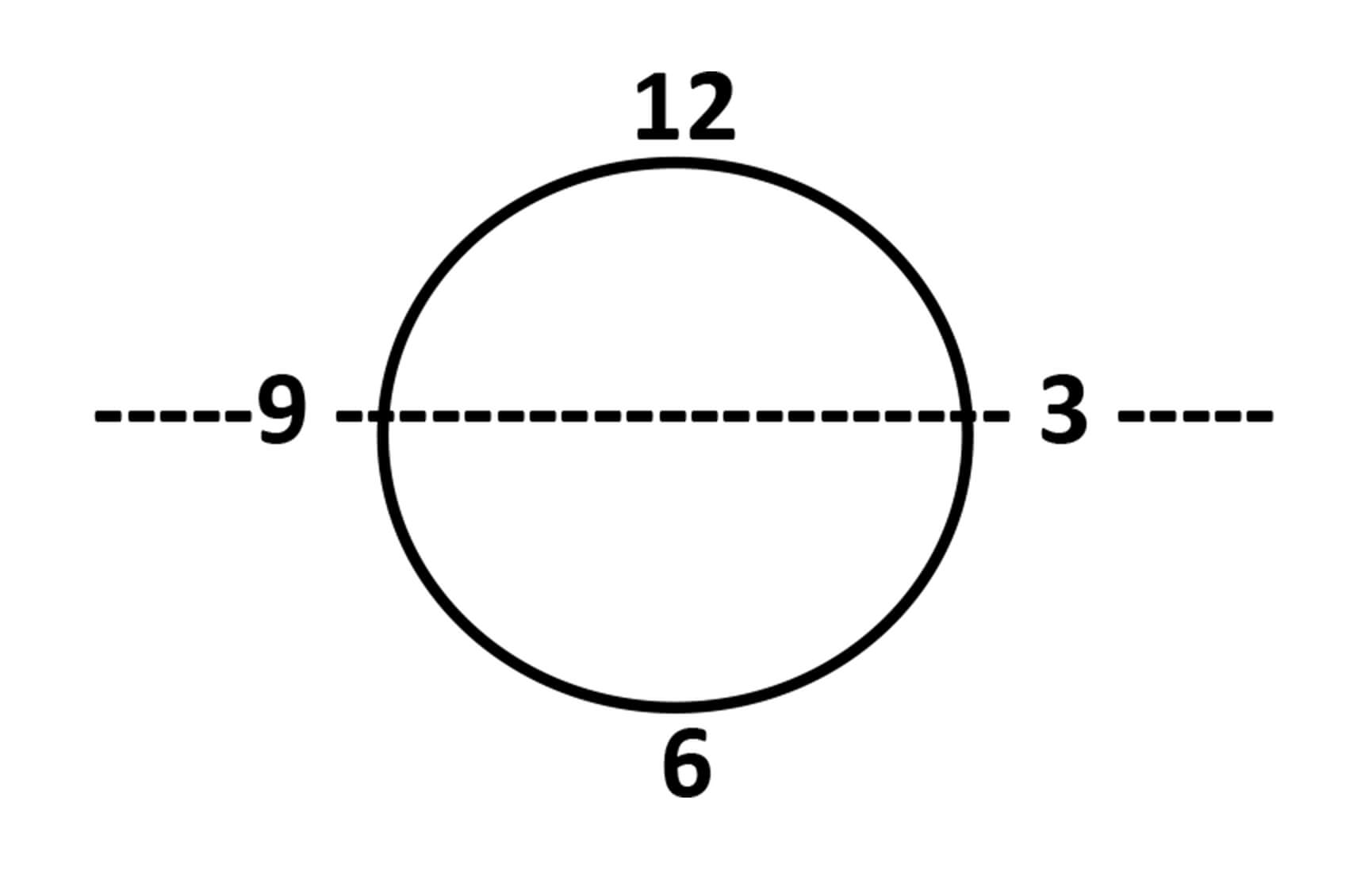
A full physical, genital and anal examination of suspected sexually abused children must be performed. The child’s weight, height and pubertal development (Tanner Staging) must be noted as an indication of his/her growth parameters and sexual maturity. The child’s mental status and behaviour must be noted and documented. The doctor should be aware of the variations of normal genital and anal anatomy in the different ages of children in order to detect any abnormalities. The genital and anal areas are examined systematically from outer areas in, and from superior to inferior. Findings are documented with reference to a clock e.g. notch at 7 o’ clock. Most injuries occur below the 3 to 9 o’ clock of the genital area.
Click on image to enlarge
Examination Positions in Suspected Child Sexual Abuse
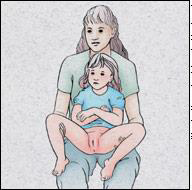
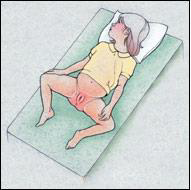
Figure 1 and 2: Supine Frog Leg Positions
Click on image to enlarge
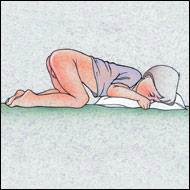
Figure 3: Knee-Chest Position
Click on image to enlarge
BOTH supine and knee-chest positions should be used to evaluate children for sexual abuse wherever possible to ensure maximum visualization of anatomical structures. Labial separation (gentle separation of the labia) and labial traction (grasping the labia and pulling them slightly open and outwards) allows for the examination of all the relevant anatomical structures. Speculum examinations ARE NOT performed.
Figure 4: Left Lateral Position for Anal Examination
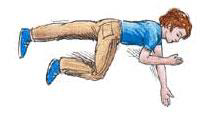
Click on image to enlarge
The left lateral position is the preferred position for anal examination to prevent confusing signs such as engorged anal veins which may occur as a result of the child being in the kneechest position.
Normal Ano-Genital Findings
Figure 5: Normal Genital Findings in a Pre-Pubertal Girl
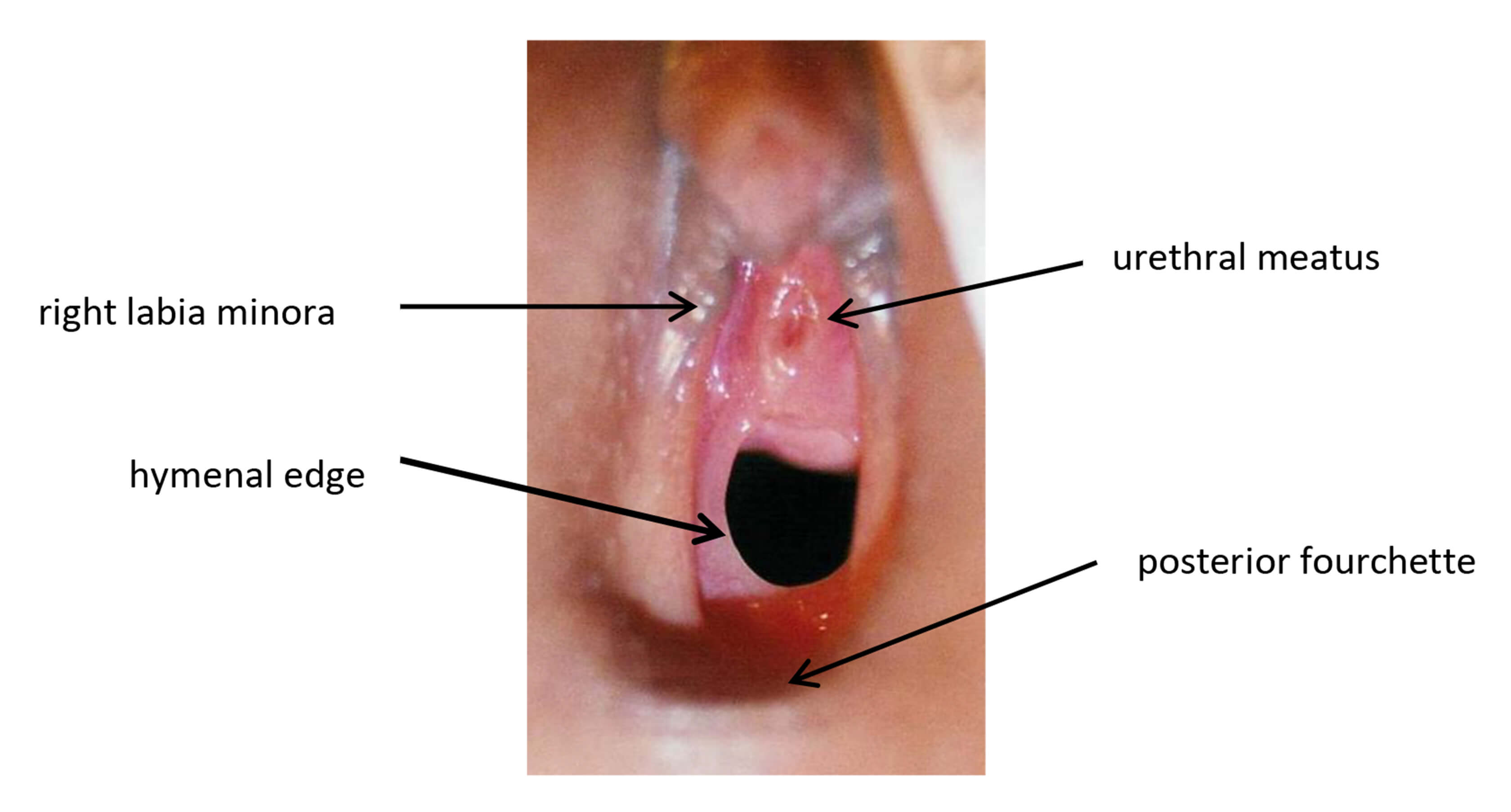
Click on image to enlarge
Figure 6: Normal Anus
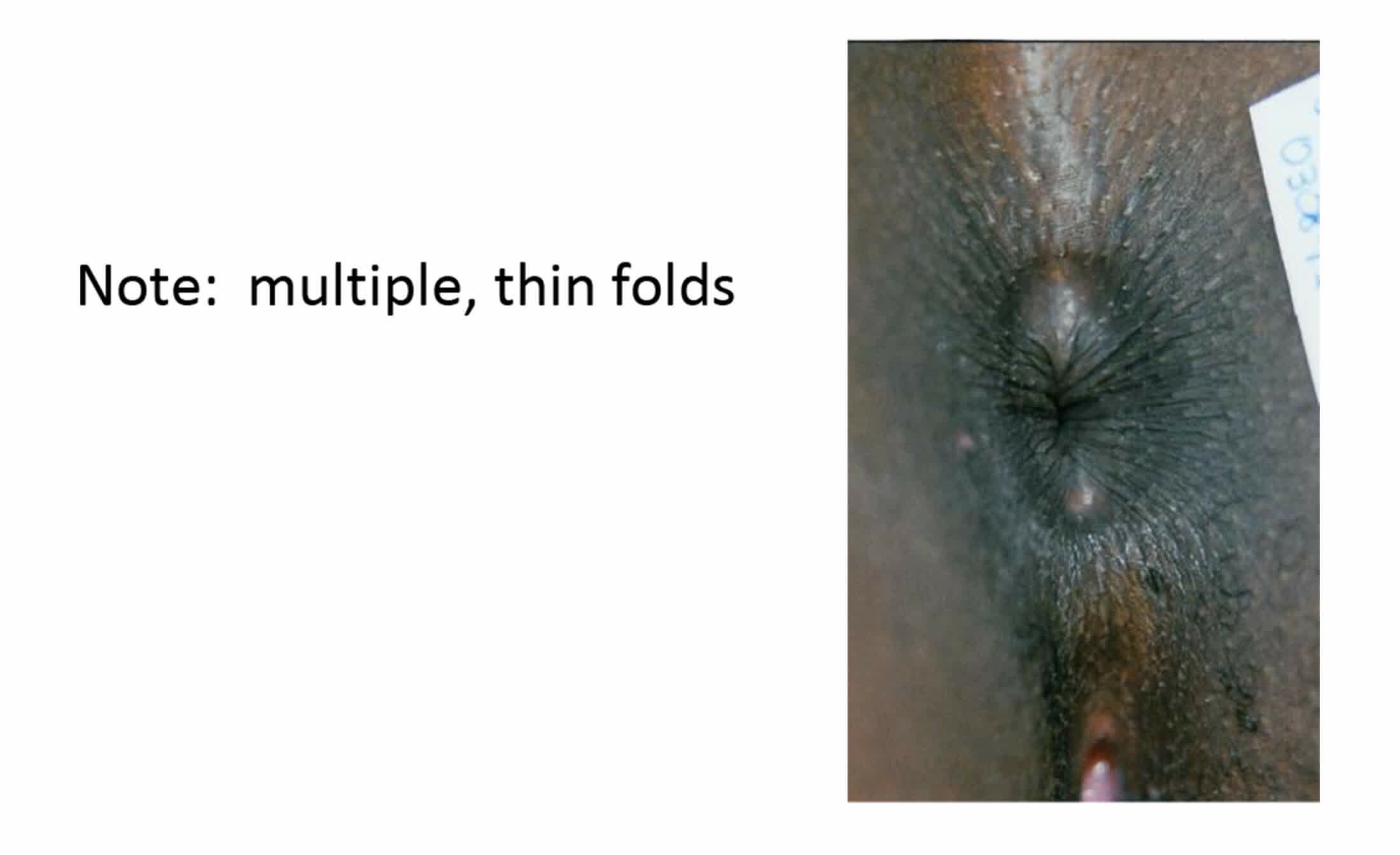
Click on image to enlarge
Abnormal Ano-Genital Findings Classification (Bays & Chadwick)
| Findings indicative of definite abuse | Findings sometimes indicative of abuse | Findings unlikely indicative of abuse |
|---|---|---|
| GENITAL | GENITAL | GENITAL |
|
|
|
| ANAL | ANAL | ANAL |
|
|
|
Interpretation of Findings
- It may be difficult to interpret anal findings if there is a history of significant constipation in the child.
- In more than two thirds of known cases of sexual abuse in children, THERE ARE NO MEDICAL FINDINGS, thus a normal examination DOES NOT exclude sexual abuse.
- The diameter of the hymenal opening is not an accurate indicator of abuse, as it depends on the position of the child and the amount of labial traction applied. It is generally accepted that in pre-pubertal girls, a measurement of 1mm diameter per year of age may be used as a guide only, but that only SIGNIFICANT enlargement, with other signs of interference, is reliable.
- The healing of genital and anal injuries is rapid, with superficial injuries healing within 12 hours and deeper lacerations healing in up to 60 days, often with minimal scarring.
- Speculums are NOT used in child abuse examinations except if required under general anaesthesia.
- Findings may be documented by means of digital photographs. A sticker label with the child’s name and the date of the examination should be placed on the child so that it is visible in the photos.
- Video colposcopy may be used where it is available.
Indications for Examination Under Anaesthesia
- Suspected foreign body
- Injury which requires surgical repair
- Where there is bleeding and the source cannot be determined or controlled
Most children can be examined without sedation or general anaesthesia, if time and care are taken. It is often beneficial to explain to the child what is to be done, and to allow the child to “help” with the examination by holding a swab, or holding the arm or the hand of the examiner, to allow the child some “control” over the invasive and unpleasant examination experience.
Investigation of Child Sexual Abuse
- Toxic screen in suspected date rape
- Rapid HIV test
- Pregnancy test (urine and/or blood βHCG) for girls with Tanner Stage 3 or greater
- Urine dipstick
- STI bloods: Treponema pallidum antibody test for syphilis (TPAT), Hepatitis B
- If vaginal/anal discharge present: swab to detect Chlamydia, Gonococcus and/or other organisms
Two swabs are required:
A Dacron swab (with a metal shaft) to be sent to NICD Centre for HIV & STIs to detect gonococcus and chlamydia. The swab should be placed in a sterile container and a portion of the metal shaft cut off so that the container can be tightly closed. A urine specimen may be used instead of a swab.
A second swab using a cotton swab should also be taken and placed in the transport medium in the plastic sheathes (Amies transport medium). This must be sent to NHLS for MC&S to detect STIs and/or other organisms (e.g. gut commensals such as E coli) which may also cause a discharge.
Both swabs (or urine specimen) must be accompanied by an NHLS laboratory form AND an STI Investigation Request Form which must be completed with as much detail as possible (i.e. type of specimen, site taken from, indication for test and test required). Note that the swabs of the discharge are separate from the swabs taken for the Sexual Assault Evidence Collection Kit.
Collection of Evidence
Acute cases (<72 hours post incident) may require a Sexual Assault Evidence Collection Kit (SAECK) to be used to collect evidence. These are available from the SAPS and should be brought to the doctor by a police officer on request. If a SAECK is not readily available, the collection of evidence should NOT be delayed. Swabs must be taken, rolled onto glass slides and allowed to air dry (no fixative). Discharges must be swabbed, placed in appropriate transport media and sent to the laboratory for NAAT testing and/or MC&S. It should be specified that the specimens are for the detection of sexually transmitted infections AND the detection of semen/sperm.
The SAECKs are available in paediatric form and all kits have a J88 form, various sealed packets for specimen collection and a detailed booklet with step-by-step instructions on how to use the kit. It is a good idea to become familiar with the procedure in the booklet before having to attend to an acute case.
It is important to note that the standard SAECKs do not have a specific bag for the collection of clothing. If there is no provided bag, clothing must be collected from the child, placed in a paper bag/packet e.g. an x-ray envelope, labelled fully with the child’s name, date of birth, SAECK barcode number, and sealed. This must be collected by the SAPS with the SAECK. Bathing is NOT a contraindication for swabs for DNA evidence.
Table of Investigations for Sexual Abuse
| SWABS |
|
| URINE |
|
| BLOODS |
|
Step by Step Guide to the Management of Child Abuse; Rainbow Clinic, RMMCH; Version: July 2023; Examination of suspected child abuse