Preface & Acknowledgements
Acknowledgements PREFACE Tuberculosis (TB), HIV and AIDS are the major causes of morbidity and mortality in the country. Modelling work conducted showed that a combination of interventions implemented at scale is required to reach the 2025 End TB Strategy targets of reducing the TB incidence by 50 per cent and the TB mortality by 75 per cent. It is for this reason that the following interventions
PREFACE
Tuberculosis (TB), HIV and AIDS are the major causes of morbidity and mortality in the country. Modelling work conducted showed that a combination of interventions implemented at scale is required to reach the 2025 End TB Strategy targets of reducing the TB incidence by 50 per cent and the TB mortality by 75 per cent. It is for this reason that the following interventions were implemented:
- prevention of new infections and TB disease
- early identification of people with TB through intensified and active TB detection strategies
- reduction in loss to follow-up
- improvement of treatment outcomes
Despite the increased uptake of Isoniazid Preventive Treatment (IPT) among people living with HIV and child contacts under five years of age, many eligible populations have still not received IPT, especially among people living with HIV.
The COVID-19 pandemic has reversed the gains made in TB control due to severe disruption of TB screening, testing, and treatment services. More effort is therefore required to ensure that we mitigate the losses incurred and catch up on progress against our targets.
This guideline has been revised based on the guidance provided by the World Health Organization (WHO), local evidence and experience with TB preventive treatment (TPT) implementation. The purpose is to guide implementation, the management of patients started on TPT and the monitoring and evaluation requirements. It is intended for clinicians, pharmacists and healthcare managers in the public and private sector.
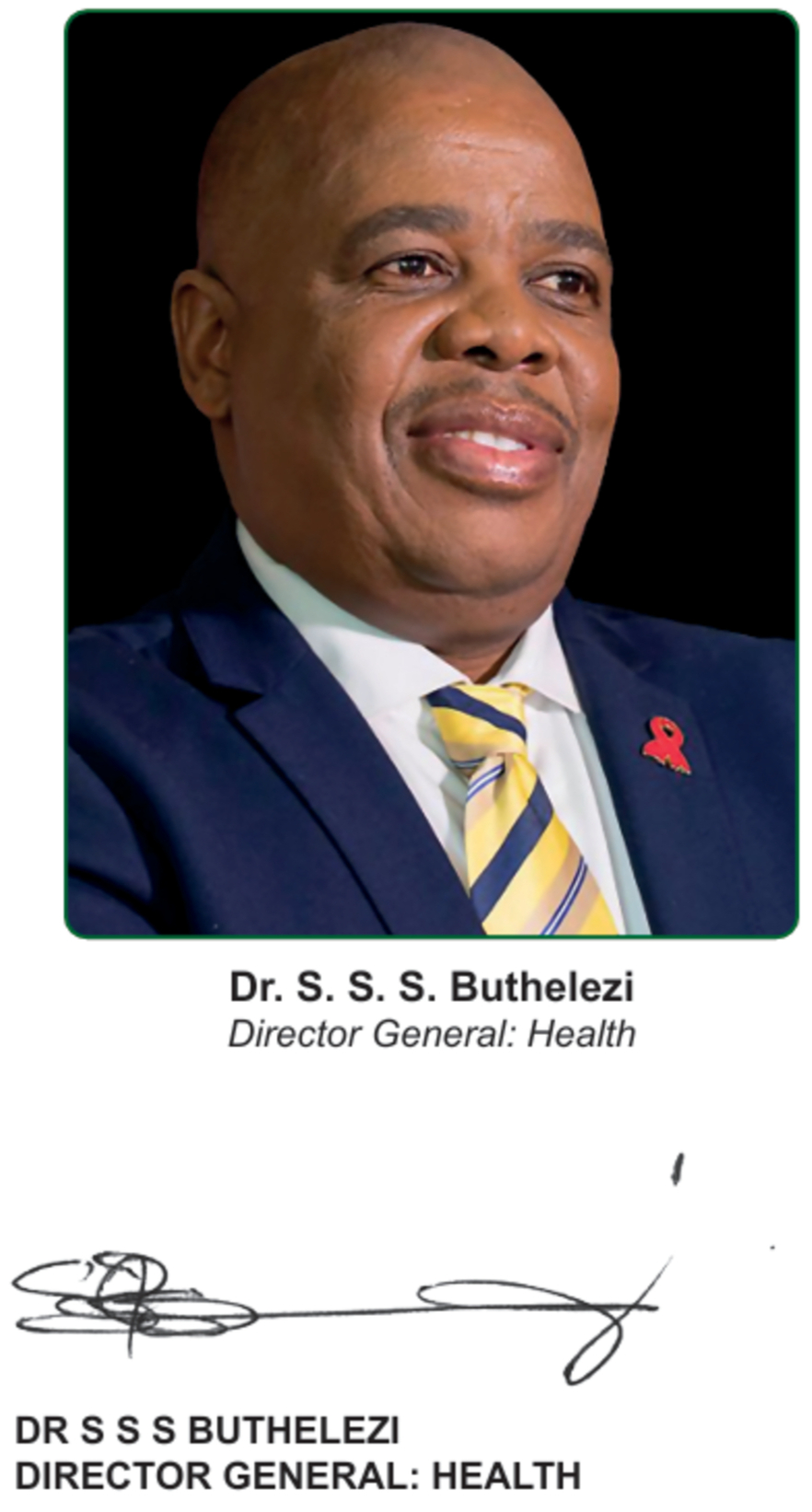
I urge all healthcare workers to familiarise themselves with the content of this guideline and effectively implement the recommendations thereof to prevent TB disease in identified high risk groups. This intervention will reduce the burden of TB which continues to kill many people in the country and ensure that South Africans live long and healthy lives.
Click on the image to enlarge.
ACKNOWLEDGEMENTS
The development of these guidelines for TB preventive treatment took hard work by officials of the Department of Health, and representatives from partner organisations. Amongst many, we wish to acknowledge the contributions of the following:
- Members of the National TB Think Tank, especially the TB Prevention Task Team
- World Health Organization (WHO)
- United States (US) President’s Emergency Plan for AIDS Relief (PEPFAR)
- The Global Fund to Fight AIDS, TB and Malaria
National Guidelines on the Treatment of Tuberculosis Infection, February 2023
Preface & Acknowledgements