Special Situations
Major haemorrhage Critical care Obstetrics Paediatrics Trauma Cardiac surgery Neuroanaesthesia Minimising anaemia and transfusion Antifibrinolytic therapy Cell salvage Major haemorrhage Major haemorrhage – initial resuscitation Consensus Grade 5.1 FDP can be substituted for FFP in the South African context. Yes B 5.2 15–20 ml/kg is the correct initial dose of FDP. Yes B 5.3 15–20 ml/
Minimising anaemia and transfusion
Major haemorrhage
| Major haemorrhage – initial resuscitation | Consensus | Grade | |
| 5.1 | FDP can be substituted for FFP in the South African context. | Yes | B |
| 5.2 | 15–20 ml/kg is the correct initial dose of FDP. | Yes | B |
| 5.3 | 15–20 ml/kg is the correct initial dose of FFP | Yes | B |
| 5.4 | Group O RCC should be readily available and transfused if haemorrhage is life-threatening. | Yes | B |
| 5.5 | POC or laboratory testing should be used to guide management. | Yes | C |
| 5.6 | During resuscitation, the following should be prevented/treated: hypothermia; acidosis; hypocalcaemia (aim for ionised calcium >1.0mmol/L); and hyperkalaemia. | Yes | A |
| Major haemorrhage – protocol | Consensus | Grade | |
| 5.7 | Policies should be defined in an institutional major haemorrhage protocol. | Yes | A |
| 5.8 | To avoid unnecessary delay, blood products should be released without approval from a haematologist/senior. | Yes | A |
| 5.9 | Activation of the protocol should mobilise other equipment (blood warmers, pressure infusers, cell salvage etc). | Yes | A |
Policies should be defined in an institutional major haemorrhage protocol. Activation of the protocol should result in the immediate release and administration of blood components for initial resuscitation, without prior approval from a haematologist. Such protocols perform best when specific to clinical areas such as the emergency department or the labour ward, and are designed to include robust and clearly understood activation and communication from bedside to laboratory. Their activation should also mobilise other resources, such as additional senior staff, porters, blood warmers, pressure infusers and cell salvage devices.17
A clear mechanism for the escalation of a team response and for identifying individuals with sufficient seniority and experience to undertake the key roles of team leader (e.g. senior anaesthesiologist) and coordinator is essential to the process, as is enabling a single point of contact with the laboratory and other support services.
Initial resuscitation
Most major haemorrhage packs will contain four units of RCCs and four units of FFP/FDP (equivalent to 15–20ml/kg in a standard adult); platelet concentrate may also be provided. Administration should be via wide-bore IV access, or intra-osseous access until the former can be obtained.
Group O RCC should be readily available and transfused if haemorrhage is life-threatening and cross-matched red cells are not obtainable. It is preferable to give group O Rh-negative red cells to children and women of childbearing potential, but group O Rh-positive red cells may be used in adult men.
Group-specific RCC should be rapidly made available (within 15–20 min) by the laboratory after receiving a correctly labelled blood group sample and being informed of the emergency requirement for blood. Emergency Group O RCC should continue to be provided where timely and safe issue of group-specific RCC is not possible.
Haemostatic resuscitation
This describes the process of restoring and sustaining acceptable tissue perfusion with the emphasis on preservation of effective clotting. Coagulopathy is associated with haemorrhage (loss of platelets and clotting factors) and transfusion of blood products and synthetic fluids (dilution), as well as the mechanism of injury in trauma; this may exacerbate the haemorrhage and resultant morbidity. POC or laboratory testing should be used to guide management.
During resuscitation, the following should be prevented/treated: hypothermia; acidosis; hypocalcaemia (aim for ionised calcium > 1.0mmol/L); and hyperkalaemia.
Critical care
| Consensus | Grade | ||
| 6.1 | Evidence does not support increasing oxygen delivery with RCC transfusion when the Hb is >7g/dL, unless the patient has acute cardiac ischaemia. | Yes | A |
| 6.2 | In patients with haematological malignancies, the same broad principles of restrictive use of RCC commonly apply (7–8g/dL for RCC transfusion). | No | C |
Anaemia is common during critical illness. In addition to blood loss and sampling, haemodilution and impaired erythropoiesis may be important contributors.18
Although biochemical markers of tissue hypoxia, notably blood lactate concentration, are frequently elevated, evidence does not support increasing oxygen delivery with RCC transfusion when the Hb is 7g/dL, except possibly the patient with acute cardiac ischaemia.19
Patients with haematological malignancies form an important group of patients admitted to ICU. Overall, patients with cancer form one of the larger groups of recipients of blood components. However, unlike other patient groups, anaemia in patients with haematological malignancies reflect an underlying bone marrow failure, and therefore, it is unclear to what extent findings from the majority of randomised trials conducted in surgery or general critical care can be extrapolated to cancer, although the same broad principles of restrictive use of red cells commonly apply.
Obstetrics
| Consensus | Grade | ||
| 7.1 | Early recognition of abnormal bleeding improves outcome. | Yes | A |
| 7.2 | As soon as abnormal bleeding is recognised, >500ml after a vaginal delivery and >1000ml after a Caesarean section, the obstetrician, anaesthesiologist, and senior midwife should attend to the mother. | Yes | A |
| 7.3 | Following abnormal bleeding, blood should be taken for full blood count, clotting studies, group and screen, and a venous blood gas for rapid Hb measurement and lactate. | Yes | B |
| 7.4 | Cell salvage is recommended if abnormal bleeding occurs during Caesarean section. | Yes | B |
| 7.5 | A leucocyte filter should be used for autotransfusion of processed blood. | Yes | B |
| 7.6 | POC testing is recommended in this setting. | Yes | B |
| 7.7 | Fibrinogen replacement with cryoprecipitate or fibrinogen concentrate should be considered in these circumstances, if there is bleeding. | Yes | B |
| 7.8 | Fibrinogen should be replaced in obstetric haemorrhage if less than 2g/L. | Yes | A |
| 7.9 | TXA reduces total blood loss and should be given if postpartum haemorrhage is diagnosed. | Yes | B |
| 7.10 | An initial dose of 1g is suitable for TXA. | Yes | A |
| 7.11 | Early use of FFP/FDP before RCC may be required. | No | C |
| 7.12 | If coagulation tests are not known, then FFP/FDP should be withheld until four units of RCC have been given. | No | C |
| 7.13 | If no coagulation results are available and bleeding is ongoing, then, after four units of RCC, four units of FFP/FDP should be infused and 1:1 ratio of RCC–FFP/FDP transfusion maintained until the results of haemostatic tests are known and can guide further decisions. | No | D |
Estimating blood loss at delivery is notoriously difficult, and every effort should be made to directly measure abnormal bleeding across all settings in the delivery suite.20 Early recognition of bleeding by changing bed linen and pads immediately after delivery and systematically weighing new blood-soaked pads correlates with the fall in Hb concentration and improves outcome.
As soon as abnormal bleeding is recognised (>500ml after a vaginal delivery and >1000ml after a Caesarean section) the obstetrician, anaesthesiologist and senior midwife should attend to the mother. Blood should be taken for full blood count (Hb), clotting studies, group and screen, and a venous blood gas for rapid Hb measurement and lactate (>2mmol/L is an indicator of shock). Cell salvage is recommended if abnormal bleeding occurs during Caesarean section, and a leucocyte filter should be used for autotransfusion of processed blood.
In resource-constrained areas where access to blood products takes more than 2 hours, it is advised to order crossmatched RCC on a returnable basis (cooler box) when the preoperative Hb is less than 9g/dL (or the postoperative Hb is expected to drop below 7g/dL). Any unused RCC should be kept in the sealed cooler box and returned to the nearest blood bank within 12 hours.
Severe early consumptive coagulopathy is associated with abruption, amniotic fluid embolus and severe bleeding with preeclampsia. Early use of FFP/FDP before RCC may be required.
Postpartum haemorrhage associated with uterine atony or trauma is unlikely to be associated with haemostatic impairment unless the diagnosis is delayed. Protocol-led use of blood products will lead to over-transfusion of FFP/FDP in the majority of cases.21 If coagulation tests are not known, then FFP/FDP should be withheld until four units of RCC have been given. If no coagulation results are available and bleeding is ongoing, then, after four units of RCC, four units of FFP/FDP should be infused and a 1:1 ratio of RCC to FFP/FDP transfusion maintained until the results of haemostatic tests are known. POC testing is recommended in this setting.22
Hypofibrinogenaemia, below normal levels for pregnancy, predicts the risks of ongoing postpartum haemorrhage. The normal plasma fibrinogen concentration in pregnancy is 4–6 g/L, and a laboratory fibrinogen of <3 and especially <2g/L, with ongoing bleeding, is associated with progression to major obstetric bleeding.23 Fibrinogen replacement with cryoprecipitate or fibrinogen concentrate should be considered in these circumstances, if there is ongoing bleeding.
Monitoring of haemostatic function in obstetric haemorrhage is particularly important; laboratory testing is often too slow during obstetric haemorrhage, and therefore, POC testing is preferred. Tests should include plasma fibrinogen concentration or POC equivalent.22 With ongoing bleeding, any abnormalities should be treated, as this indicates significant haemostatic impairment in the obstetric patient. Platelet transfusions are rarely required and should only be given once the platelet count is known.
TXA reduces total blood loss and should be given once postpartum haemorrhage is diagnosed (>500ml after a vaginal delivery and >1000ml after a Caesarean section), at an initial dose of 1g.
Paediatrics
| Consensus | Grade | ||
| 8.1 | There is little direct evidence to guide the use of blood products in children, and generally the guidance intended for adults can be safely applied to children with some modifications. | Yes | C |
| 8.2 | ‘Restrictive’ approaches to transfusion are appropriate for almost all children older than 3 months of age. | Yes | B |
| 8.3 | A transfusion of 10 ml/kg of RCC should increase Hb by approximately 2 g/dL. | Yes | A |
| 8.4 | Cryoprecipitate should be given in a dose of 5–10 ml/kg. | Yes | B |
| 8.5 | Platelets should be given in a dose of 10–20 ml/kg. | Yes | B |
| 8.6 | FFP/FDP may be given in doses of 10–15 ml/kg. | Yes | B |
| 8.7 | TXA can be used in children: a loading dose of 15 mg/kg followed by infusion 2 mg/kg/h should be used in trauma. | Yes | B |
| 8.8 | The guidance suggested for major haemorrhage in adults can be generally applied, though requires an awareness of the size of the child and the clinical context of the bleeding. | Yes | B |
| 8.9 | Higher transfusion thresholds are often applied to neonates and children with congenital heart disease. | No | C |
| 8.10 | Cell salvage can be useful in children, even if the absolute volume of blood loss is less than 500 ml. | No | C |
There is little direct evidence to guide the use of blood products in children, and generally the guidance intended for adults can be safely applied to children with some modifications (specifically in transfusion volumes). ‘Restrictive’ approaches to transfusion are appropriate for almost all children older than 3 months of age. Higher transfusion thresholds are often applied to neonates and children with congenital heart disease. Although thresholds are not clearly defined, there is evidence that quantities of transfusion can be reduced in these patients by applying moderately restrictive thresholds for transfusion without adverse effect on outcome.24,25 Neonates should receive components specified for neonatal use, O or ABO compatible with maternal and neonatal plasma, Rh-D negative, crossmatch compatible with maternal and neonatal plasma, <5 days old, irradiated (must be transfused within 24 hours of irradiation) and leucocyte-depleted.
The volume of blood to be administered requires modification depending on the size of the patient. It is recommended that blood in children should be prescribed in volume rather than number of units. In practice, sensible rounding to the nearest unit will be more efficient.
- A transfusion of 10ml/kg of RCC should increase Hb by approximately 2g/dL.
- Cryoprecipitate should be given in a dose of 5–10ml/kg.
- Platelets should be given in a dose of 10–20 ml/kg.
- FFP may be given in doses of 10–15ml/kg.
TXA can be used in children: a loading dose of 15 mg/kg followed by infusion 2mg/kg/h should be used in trauma.26
With technical refinements, cell salvage can be useful in children, even if the absolute volume of blood loss is less than 500ml.27
Major haemorrhage is rare in children outside of highly specialised areas of practice. The guidance suggested for adults can be generally applied, though requires an awareness of the size of the child and the clinical context of the bleeding. Blood volume of a child is estimated at 70ml/kg but may be as high as 100ml/kg in newborns. Devices for vascular access and rapid administration of blood should be appropriate for the size of the child and rate of blood loss. Children are at particular risk of electrolyte imbalance and hypothermia during rapid administration of blood products.
Trauma
| Consensus | Grade | ||
| 9.1 | Ensure clinical treatment is constantly directed towards haemorrhage control (damage-control protocols). | Yes | A |
| 9.2 | Do not try to normalise blood pressure during active haemorrhage. | Yes | A |
| 9.3 | Maintain a minimum acceptable preload and blood pressure with volume resuscitation alone; this may need to be modified in the presence of trauma in head and spinal injuries. | Yes | A |
| 9.4 | During uncontrolled haemorrhage, avoid clear fluids for volume resuscitation unless there is profound hypotension and no imminent availability of blood products. | Yes | B |
| 9.5 | In cases of trauma-induced coagulopathy, deliver blood products empirically at first. | Yes | A |
| 9.6 | Use laboratory or RCC tests of coagulation to guide therapy as soon as available. | Yes | B |
| 9.7 | Give TXA 1g immediately, but avoid if more than 3 hours after injury, unless there is evidence of ongoing hyperfibrinolysis. | Yes | A |
| 9.8 | Whilst haemorrhage is being controlled, administration of RCC and FFP/FDP in a ratio of 1:1. | Yes | B |
| 9.9 | The use of vasopressors should be avoided during active haemorrhage. | No | D |
Only around 5–7% of trauma cases qualify for damage-control resuscitation. Inappropriate use of blood products in less serious trauma should be avoided.
During active bleeding, follow the principles of damage control resuscitation:
Early haemorrhage control
Ensure clinical treatment is constantly directed towards haemorrhage control. Use temporary haemostatic devices (pressure, tourniquets, etc.) followed as soon as practically possible by surgery or interventional radiological control of haemorrhage.
Permissive hypotension
Do not try to normalise blood pressure during active haemorrhage. Maintain a minimum acceptable preload and blood pressure (systolic blood pressure > 70 mmHg, mean arterial pressure > 50 mmHg) with volume resuscitation alone; this may need to be modified in the presence of trauma in head and spinal injuries.28 The use of vasopressors should be avoided during active haemorrhage. This period should be as short as possible and seen as a bridging strategy to definitive haemorrhage control.
Avoid crystalloid and colloid administration
During uncontrolled haemorrhage, avoid clear fluids for volume resuscitation unless there is profound hypotension and no imminent availability of blood products.
Target trauma-induced coagulopathy
Deliver blood products empirically at first, and use laboratory or POC tests of coagulation to guide therapy as soon as available.29 Give TXA 1g immediately, but avoid if more than 3 h after injury, unless there is ongoing evidence of hyperfibrinolysis (as suggested by POC testing).
Whilst haemorrhage is being controlled, administration of RCC and FFP/FDP in a ratio of 1:1 should be used to replace fluid volume.30 Consider the administration of cryoprecipitate (1 unit/10kg) and platelets (one adult therapeutic dose) until test results are available and bleeding is controlled. Once control is achieved, blood components should be administered as guided by testing at the earliest opportunity (see Monitoring section, blood components).
Once haemorrhage is controlled and Hb and coagulation targets have been met, judicious use of crystalloids and colloids for further volume resuscitation is acceptable, but crystalloid overload should be avoided.
Cardiac Surgery
| Consensus | Grade | ||
| 10.1 | There is no difference in outcome and thus no need to use liberal transfusion triggers (9.5g/dL intraoperatively or ICU, or 8.5g/dL in non-ICU ward) versus a restrictive transfusion trigger (7.5g/dL in cardiac surgical patients). | Yes | A |
| 10.2 | The effect of cardiopulmonary bypass on platelet function may make the use of a higher platelet count (>75) necessary after bypass. | Yes | A |
| 10.3 | There is no clear evidence of the benefit of platelet function analysis except in those patients who have taken P2Y12 receptor inhibitors such as clopidogrel within 5 days of surgery. | No | C |
PBM in cardiac surgery is a multidisciplinary effort with different leadership structures in private and government settings in South Africa. Depending on the environment and locale, different members of the team may or may not have independent jurisdiction or decision-making powers on the decision to transfuse or to not transfuse blood or blood products.
Critically important role-players in this process include the anaesthesiologists, surgeons, perfusionists, and critical care specialists (if involved in the intensive care unit). Differences in practices should be aligned to provide the best practice based on the available evidence and expert recommendations. These guidelines provide a framework for decision-making.
The SASA supports a multidisciplinary approach that is based on published evidence and best practice recognised internationally, which may need to be adjusted due to the availability of blood, blood products, and drugs available in South Africa.
Anaemic patients have an increased risk of mortality and complications following cardiac surgery.31 Elective cardiac surgery should not be undertaken in anaemic patients without prior investigation and treatment as necessary (mostly based on observational studies). There is an increased risk of requiring transfusions in anaemic patients presenting for cardiac surgery.
Viscoelastic testing is recommended to guide transfusion.32 The use of local transfusion protocols guided by RCC testing may lead to appropriate transfusion with reduced costs. The evidence base for the efficacy of routine use of FFP/FDP in the context of cardiac surgery haemorrhage is minimal and of poor quality.33 The effect of cardiopulmonary bypass on platelet function may make the use of a higher platelet count (>75 x 109 .L_1) necessary after bypass.
There is no clear evidence of the benefit of platelet function analysis except in those patients who have taken P2Y12 receptor inhibitors such as clopidogrel within 5 days of surgery.34
The following recommendations regarding preoperative and intraoperative strategies to improve PBM in cardiac surgery are derived from EACTA and EACTS recommendations published by Boer et al.7
Predicting perioperative bleeding
| Consensus | Grade | ||
| 10.4.1 | Preoperative fibrinogen levels may be considered to identify patients at high risk of bleeding. | EACTS/ EACTA | C |
| 10.4.2 | Routine use of viscoelastic and platelet function testing is not recommended to predict bleeding in patients without antithrombotic treatment. | EACTS/ EACTA | C |
| 10.4.3 | Platelet function testing may be considered to guide the decision on the timing of cardiac surgery in patients who have recently received P2Y12 inhibitors or who have ongoing DAPT. | EACTS/ EACTA | B |
Management of preoperative anticoagulant and antiplatelet drugs
| Consensus | Grade | ||
| 10.5.1 | In patients undergoing CABG, ASA should be continued throughout the preoperative period. | EACTS/ EACTA | C |
| 10.5.2 | In patients at high risk of bleeding or refusing blood transfusions and undergoing non-coronary cardiac surgery, stopping ASA should be considered at least 5 days preoperatively. | EACTS/ EACTA | C |
| 10.5.3 | It is recommended that ASA be restarted as soon as there is no concern over bleeding (within 24 hours) after isolated CABG. | EACTS/ EACTA | B |
| 10.5.4 | In patients taking DAPT who need to have non-emergent cardiac surgery, postponing surgery for at least 3 days after discontinuation of ticagrelor, 5 days after clopidogrel and 7 days after prasugrel should be considered. | EACTS/ EACTA | B |
| 10.5.5 | It is recommended that GP IIb/IIIa inhibitors be discontinued at least 4 hours before surgery. | EACTS/ EACTA | C |
| 10.5.6 | To reduce the risk of bleeding, preoperative bridging of oral anticoagulation with UFH/LMWH is only indicated in patients at high risk of thrombotic events. | EACTS/ EACTA | B |
| 10.5.7 | It is recommended that prophylactic LMWH be discontinued at least 12 hours before surgery and fondaparinux 24 hours before surgery. A longer interval may be necessary for patients with impaired renal function and/or therapeutic doses. | EACTS/ EACTA | B |
| 10.5.8 | It is recommended that OACs be bridged with UFH. | EACTS/ EACTA | B |
| 10.5.9 | Bridging OACs with subcutaneous LMWH should be considered an alternative to bridging with UFH. | EACTS/ EACTA | B |
| 10.5.10 | Elective cardiac surgery should be performed if the INR is <1.5 in patients taking VKAs. When surgery cannot be postponed, coagulation factors should be used to reverse the effect. | EACTS/ EACTA | C |
| 10.5.11 | In patients having elective cardiac surgery, DOACs should be stopped at least 48 hours before surgery. A longer interval may be necessary for patients with impaired renal function. | EACTS/ EACTA | C |
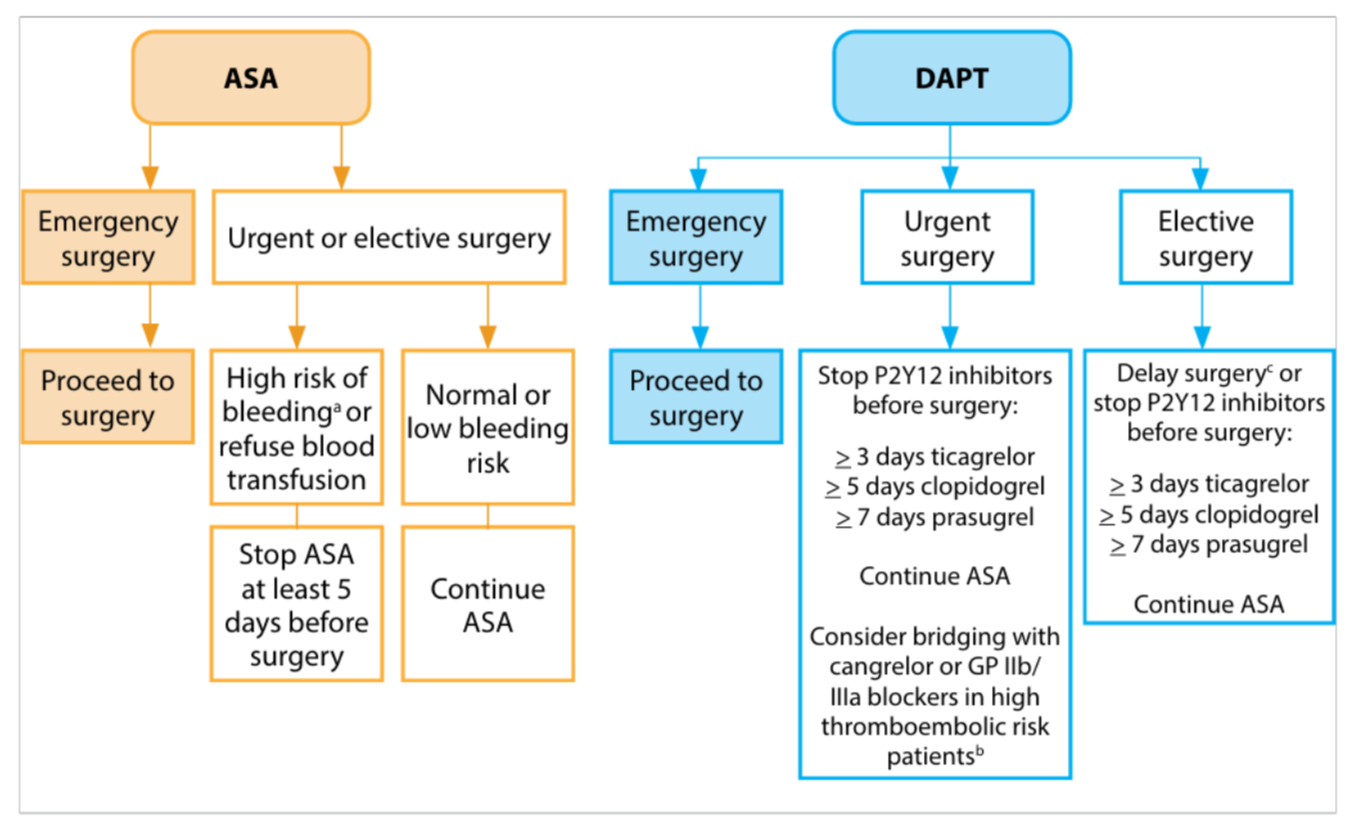 Figure 1: Management of antiplatelet therapy in patients having coronary artery bypass grafting surgery.7
aComplex and redo-operations, severe renal insufficiency, haematological diseases and hereditary deficiencies in platelet function.
bRecent stent implantation, recent thromboembolic event and alarming angiographic results.
cUntil the recommended DAPT period is completed.
ASA – acetylsalicylic acid, DAPT – dual antiplatelet therapy, GP IIb/IIIa – glycoprotein IIb/IIIa
Click on the image to enlarge.
Preoperative surgical planning
| Consensus | Grade | ||
| 10.6.1 | Oral or IV iron alone prior to cardiac surgery may be considered in mildly anaemic patients (Hb 10–13 g/dL) or in severely anaemic patients (Hb ≤ 10 g/dL) to improve erythropoiesis. | EACTS/ EACTA (adjusted) | C |
| 10.6.2 | Erythropoietin with iron supplementation should be considered to reduce postoperative transfusions in patients with non-iron deficiency (e.g. EPO, vitamin D or folate acid deficiency) undergoing elective surgery | EACTS/ EACTA | B |
| 10.6.3 | Preoperative erythrocyte transfusion is not routinely recommended in preoperative anaemic patients to prevent postoperative AKI. | EACTS/ EACTA | C |
Intraoperative considerations
| Consensus | Grade | ||
| 10.7.1 | It is recommended that the members of the multidisciplinary team discuss the optimal surgical strategy based on clinical status, comorbidities, bleeding risk and team expertise. |
EACTS/ EACTA |
C |
| 10.7.2 | Off-pump CABG surgery may be considered in selected patients to reduce perioperative transfusions. | EACTS/ EACTA | B |
| 10.7.3 | MiECC systems should be considered over standard conventional CPB systems to reduce perioperative transfusions. | EACTS/ EACTA | B |
| 10.7.4 | Minimally invasive heart valve surgery may be considered to reduce blood loss and the need for transfusions. | EACTS/ EACTA | B |
| 10.7.5 | Routine use of topical sealants in cardiac surgery is not recommended. | EACTS/ EACTA | B |
| 10.7.6 | Topical sealants may be considered in clinical situations where conventional approaches to surgical and medical improvement of haemostasis are insufficient and where bleeding problems are more local than generalised. | EACTS/ EACTA | C |
Management of cardiopulmonary bypass
| Consensus | Grade | ||
| 10.8.1 | Implementation of institutional measures to reduce haemodilution by fluid infusion and CPB, during cardiac surgery to reduce the risk of bleeding and the need for transfusions is recommended. | EACTS/ EACTA | C |
| 10.8.2 | The use of a closed extracorporeal circuit may be considered to reduce bleeding and transfusions. | EACTS/ EACTA | B |
| 10.8.3 | The use of a biocompatible coating to reduce perioperative bleeding and transfusions may be considered. | EACTS/ EACTA | B |
| 10.8.4 | The routine use of cell salvage should be considered to prevent transfusions. | EACTS/ EACTA | B |
| 10.8.5 | (Modified) ultrafiltration may be considered as part of a blood conservation strategy to minimise haemodilution. | EACTS/ EACTA | |
| 10.8.6 | Retrograde and antegrade autologous priming should be considered as part of a blood conservation strategy to reduce transfusions. | EACTS/ EACTA | A |
| 10.8.7 | Normothermia during CPB (temperature >36oC) and maintenance of a normal pH (7.35–7.45) may contribute to a reduced risk of postoperative bleeding. | EACTS/ EACTA | B |
Management of intraoperative anticoagulation
| Consensus | Grade | ||
| 10.9.1 | Heparin level-guided heparin management should be considered over ACT-guided heparin management to reduce bleeding. | EACTS/ EACTA | B |
| 10.9.2 | Heparin level-guided protamine dosing may be considered to reduce bleeding and transfusions. | EACTS/ EACTA | B |
| 10.9.3 | Protamine should be administered in a protamine-toheparin dosing ratio < 1mg:100IU to reduce bleeding. | EACTS/ EACTA | B |
| 10.9.4 | AT supplementation is ideally indicated in patients with AT deficiency to improve heparin sensitivity. Since AT supplementation is currently not available in South Africa, FFP or FDP should be used. |
EACTS/ EACTA (adjusted) |
B |
| 10.9.5 | AT supplementation is not recommended to reduce bleeding following CPB. | EACTS/ EACTA | C |
| 10.9.6 | In patients with HIT antibodies for whom surgery cannot be postponed, anticoagulation with fondaparinux should be considered when the bleeding risk is acceptable. The use of heparin in the pre- and postoperative periods should be avoided. | EACTS/ EACTA (adjusted) | C |
Management of intravascular volume
| Consensus | Grade | ||
| 10.10.1 | The use of goal-directed haemodynamic therapy to reduce transfusions is not recommended. | EACTS/ EACTA | C |
| 10.10.2 | The use of modern low-molecular weight starches in priming and non-priming solutions to reduce bleeding and transfusions is not recommended. | EACTS/ EACTA | C |
| 10.10.3 | Limitation of haemodilution is recommended as part of a blood conservation strategy to reduce bleeding and transfusions. | EACTS/ EACTA | B |
| 10.10.4 | Preoperative autologous blood donation in patients with high Hb levels (>11g/dL) may be considered to reduce postoperative transfusions. | EACTS/ EACTA | B |
| 10.10.5 | Acute normovolaemic haemodilution may be considered to reduce postoperative transfusions. | EACTS/ EACTA | B |
Management of procoagulant interventions
| Consensus | Grade | ||
| 10.11.1 | Antifibrinolytic therapy (TXA, aprotinin and EACA) is recommended to reduce bleeding and transfusions of blood products and reduce re-operations for bleeding (TXA and aprotinin). | EACTS/ EACTA | A |
| 10.11.2 | The prophylactic use of FFP/FDP to reduce bleeding is not recommended. | EACTS/ EACTA (adjusted) | B |
| 10.11.3 | The use of PCC or FFP/FDP may be considered to reverse the action of VKAs. | EACTS/ EACTA (adjusted) | B |
| 10.11.4 | In patients with factor XIII activity <70% after CPB, the administration of FFP/FDP and/or cryoprecipitate may be considered to reduce bleeding. | EACTS/ EACTA | B |
| 10.11.5 | Prophylactic fibrinogen or cryoprecipitate administration is not recommended. | EACTS/ EACTA (adjusted) | B |
| 10.11.6 | In the bleeding patient with a low fibrinogen level (<1.5g/L), fibrinogen substitution (cryoprecipitate) may be considered to reduce postoperative bleeding and transfusions. | EACTS/ EACTA (adjusted) | B |
| 10.11.7 | In patients where bleeding is related to coagulation factor deficiency, PCC or FFP/FDP administration should be considered to reduce bleeding and transfusions. | EACTS/ EACTA | B |
| 10.11.8 | The prophylactic use of DDAVP to reduce bleeding is not recommended. | EACTS/ EACTA | B |
| 10.11.9 | In bleeding patients with platelet dysfunction on the basis of an inherited or acquired bleeding disorder, the use of DDAVP should be considered to reduce bleeding and the requirement for transfusions. | EACTS/ EACTA | C |
| 10.11.10 | The prophylactic use of rFVIIa to prevent bleeding is not recommended. | EACTS/ EACTA | B |
| 10.11.11 | In patients with refractory, non-surgical bleeding, off-label use of rFVIIa may be considered to reduce bleeding. | EACTS/ EACTA | B |
Management of transfusion strategies
| Consensus | Grade | ||
| 10.12.1 | Implementation of a PBM protocol for the bleeding patient is recommended. | EACTS/ EACTA | C |
| 10.12.2 | The use of RCCs of all ages is recommended, because the storage time of the RCCs does not affect the outcomes. | EACTS/ EACTA | A |
| 10.12.3 | The use of leucocyte-depleted RCCs is recommended to reduce infectious complications. | EACTS/ EACTA | B |
| 10.12.4 | Perioperative treatment algorithms for the bleeding patient based on viscoelastic POC tests should be considered to reduce the number of transfusions. | EACTS/ EACTA | B |
| 10.12.5 | It is recommended that one transfuse RCCs on the basis of the clinical condition of the patient rather than on a fixed Hb threshold. | EACTS/ EACTA | B |
| 10.12.6 | A haematocrit of 21–24% may be considered during CPB when an adequate DO2 (4273ml O2 /min/m2) level is maintained. | EACTS/ EACTA | B |
| 10.12.7 | Platelet concentrate should be transfused in bleeding patients with a platelet count below 50 (x109/L) or patients on antiplatelet therapy with bleeding complications. | EACTS/ EACTA | C |
Anticoagulation management during extracorporeal life support
| Consensus | Grade | ||
| 10.13 | Argatroban (not available in South Africa) may be considered as alternatives for heparin anticoagulation for prolonged ECLS/ECMO therapy to prevent HIT type 2. In South Africa, fondaparinux is an available alternative, (long half-time is a concern). | EACTS/ EACTA (adjusted) | C |
Neuroanaesthesia
| Consensus | Grade | ||
| 11.1 | Anaemia is associated with poor outcomes in traumatic and elective neurosurgery and should be corrected preoperatively using a standardised approach for identifying and treating reversible causes, thus avoiding unnecessary blood product transfusions. | Yes | B |
| 11.2 | In TBI, and provided there is no other indication for transfusion, a restrictive (>7–8g/dL) transfusion threshold should be used as it decreases the risk of severe progressive haemorrhagic injury and thromboembolism. | Yes | C |
| 11.3 | Until better evidence is available, a transfusion target of 9g/dL should be used for aneurysmal SAH. | Yes | C |
| 11.4 | TXA should be used in paediatric cranial vault surgery and early (immediate administration on presentation within 3 hours of injury) in mild to moderate TBI. | Yes | B |
| 11.5 | Perioperative blood conservation strategies are favoured and include the pharmacological correction of anaemia, the use of TXA, and cell salvage. | Yes | B |
| 11.6 | Preoperative autologous donation and acute normovolaemic haemodilution are not recommended as blood conservation techniques. | Yes | C |
| 11.7 | Intraoperative nonsteroidal anti-inflammatory agents are not recommended for intracranial procedures. | Yes | C |
Maintaining the balance
The brain has high metabolic requirements and receives 20–25% of cardiac output. During normovolaemic anaemia, the reduced blood viscosity results in increased cardiac output and allows for improved flow characteristics. These compensatory mechanisms are limited and anaemia may worsen cerebral oxygen delivery (i.e. reduced CaO2 ) and a ‘second-hit’ hypoxic insult may result. However, cerebral function is relatively well maintained in patients without TBI down to a Hb level of about 7 g/dL.35
In neurosurgical patients, the benefits of anaemia include decreased blood viscosity and improved cerebral blood flow. This needs to be balanced against the risk of cerebral vasospasm, cerebral hypoxia with potential for ischaemic injury, potentially poorer neurological outcomes and subsequent mortality.36,37 Anaemia is common in neurosurgical populations with up to half of critically ill patients with TBI and SAH.38 The causes may be multifactorial such as bleeding, aggressive fluid resuscitation, systemic inflammatory- mediated suppression of erythropoiesis and regular phlebotomy in hospital. Anaemic patients presenting for elective intracranial neurosurgery have an increased 30 day mortality (4.1% vs 1.3%; OR = 2.77; 95% CI: 1.65–4.66) and length of stay.39,40 In turn, transfusion, which aims to increase cerebral oxygen delivery and prevent secondary brain injury, is associated with thromboembolic events, progression of a haemorrhagic injury and an increase in mortality.41-43 Therefore, preoperative anaemia should be corrected by pharmacological measures for elective surgery, and perioperative transfusion limited to avoid the deleterious effects of unnecessary blood products.
Transfusion in neurosurgery and traumatic brain injury
Neurosurgery covers a broad range of elective and emergency pathologies, and this makes research and guidelines in the field difficult. Depending on the type of surgery, the rate of transfusion ranges from 10% in complex skull base procedures, to 36% in TBI and > 45% in paediatric craniosynostosis surgery. However, transfusion itself confers risks of immune modulation, infections, allergic reactions and other complications.42
The optimal Hb threshold for transfusion in TBI is still unclear.44 In a randomised control trial of 200 TBI patients, a higher Hb transfusion threshold of 10g/dL v 7g/dL was associated with an increased risk of severe progressive haemorrhagic injury.45 There was also an increased risk of thromboembolic events with no significant improvement in neurological outcomes. A liberal (Hb >10g/dL) transfusion strategy has not been shown to improve outcomes in isolated TBI.46 Lelubre et al. showed there is probably benefit in transfusing TBI patients with Hb <7 g/dL.44 These beneficial effects appear to diminish around 8g/dL, but a Hb >9g/dL was associated with an increase in-hospital mortality, and further harmful effects. Another study comparing a liberal versus a restrictive blood transfusion strategy (10g/dL vs 7g/dL) showed a slightly better brain tissue oxygenation in the liberal group, but a higher intracranial pressure, with no difference in long term (6 month) neurological outcomes.47
A restrictive blood transfusion strategy (Hb 7-8g/dL) for TBI patients should be used if no other clinical indication for transfusion exists, particularly in patients that are awake and conscious. If patients deteriorate neurologically or have a severe grade injury (GCS <9), transfusion may be optimised using mixed venous saturations >70% target, serum lactate and cerebral oxygenation monitors, optimised to the patient’s comorbidities.44 However, there is no data on how exactly these measures may be used to guide transfusion of RCC in these patients.
Transfusion in subarachnoid haemorrhage
In aneurysmal SAH, about 50% of patients suffer subsequent cerebral vasospasm. Triple-H therapy of hypertension, hypervolaemia and haemodilution is still used during an episode of symptomatic vasospasm, however, the risks associated with this strategy and lack of evidence to support a significant benefit has meant that it is no longer supported practice.48
In a study of 441 patients with SAH, intraoperative transfusion was associated with worse outcome and postoperative transfusion with vasospasm.43 RBC transfusion is also related to an increase in complications, length of stay, wound infection, pneumonia, cardiovascular accident and acute renal failure.49 There is debate in the current literature regarding a Hb target for patients with intracranial pathology, with recent reviews suggesting a range of Hb 9–10g/dL as optimum,36 but there are few randomised control trials to support this.50
Minimising anaemia and transfusion
Perioperative blood conservation strategies in neurosurgery include the correction of preoperative coagulopathy, correction of iron deficiency anaemia, the use of cell salvage and antifibrinolytic agents, and the avoidance of nonsteroidal anti-inflammatory agents.36 Oral or IV iron may be used within established protocols, depending on time constraints.51 There is limited evidence for preoperative autologous donation and acute normovolaemic haemodilution in neurosurgery.36 Nonsteroidal anti-inflammatory drugs have various effects on platelet function and should be avoided in intracranial surgery.
Antifibrinolytic therapy
TXA is recommended to prevent blood loss and the risk of transfusion in paediatric craniosynostosis surgery and complex base of skull surgery.52 TXA may be used when blood loss of more than 500ml is expected, in resections for meningioma and cerebellopontine angle tumours as well as vascular intracranial pathologies and spine surgeries.53 However, TXA is not recommended in patients with hypersensitivity or allergy to the drug, history of venous or arterial thrombosis, or thrombophilia, cardiovascular disease, acute renal failure or subarachnoid haemorrhage, or in patients with a history of seizures or epilepsy.54
A Cochrane review of TXA in aneurysmal subarachnoid haemorrhage did not show a reduction in poor outcome but did reduce the risk of re-bleeding (with a high heterogeneity of studies).54 In mild to moderate TBI, early treatment (within three hours of injury) with TXA is recommended to reduce mortality.55
Cell salvage
Intraoperative cell salvage has shown to be safe and cost-effective in spinal fusion and cranial vault surgery. However, there is concern over the use of cell salvage in tumour surgery, and the effect of leukocyte depletion filters on tumour cell recirculation has not been extensively investigated. There is no universally accepted decision as to the safety of cell salvage in central nervous system (CNS) oncological surgery. The use of cell salvage should be a joint decision between surgeon and anaesthetist, on the basis of risk versus benefit.56
South African Society of Anaesthesiologists (SASA) Guidelines for Patient Blood Management 2020, Confirmed as current version on the SASA website as of November 2024.