Magnesium Abnormalities In ICU
40–60% of ICU patients have hypomagnesaemia. Hypomagnesaemia: Clinical effects of hypomagnesaemia: Electrolyte abnormalities: Hypokalaemia Hypocalcaemia Hypophosphataemia Arrhythmias: Prolonged QT interval. Polymorphic VT – Torsade de pointes. Neurologic: Altered mentation, generalized seizures, tremors, hyper-reflexia, weakness. Click on image to enlarge Magnesium supplementation: IV: Ampoules o
40–60% of ICU patients have hypomagnesaemia.
Hypomagnesaemia:
Clinical effects of hypomagnesaemia:
- Electrolyte abnormalities:
- Hypokalaemia
- Hypocalcaemia
- Hypophosphataemia
- Arrhythmias:
- Prolonged QT interval.
- Polymorphic VT – Torsade de pointes.
- Neurologic:
- Altered mentation, generalized seizures, tremors, hyper-reflexia, weakness.
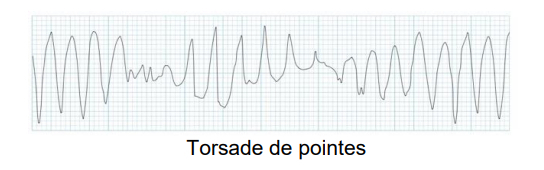
Click on image to enlarge
Magnesium supplementation:
IV: Ampoules of 2 g in 1 mL (50% magnesium sulphate solution).
Replacement dose:
- Magnesium sulphate, 25–50 mg/kg, IV.
- Maximum rate of IV administration: 1 g/7 minutes.
Life threatening hypomagnesaemia – Torsade de pointes:
- Infuse 50 mg/kg MgSO4, IV, over 2 to 5 minutes.
- Follow with 25–50 mg/kg MgSO4 in 250–500 mL N/S over the next 6 hours (maximum 5 g).
- Continue with 25–50 mg/kg MgSO4 every 12 hourly for 5 days (Note – to replenish total body stores).
Hypermagnesaemia:
- Serum magnesium > 2 mEq/L.
- Usually in patients with renal insufficiency and haemolysis, closely associated with increased potassium and low calcium.
Clinical effects of hypermagnesaemia:
Serious effects of hypomagnesaemia are due to calcium antagonism in the cardiovascular system:
- Weakness/hyporeflexia/paralysis > 4 mEq/L.
- 1st degree AV block > 5 mEq/L.
- Complete heart block > 10 mEq/L.
- Cardiac arrest > 13 mEq/L.
Treatment of hypermagnesaemia:
- Stop extra oral/IV intake.
- In patients with normal renal function, will correct once supplemental intake is stopped.
- IV calcium gluconate (0.6 mL/kg over 2–3 minutes) can be used for hypotension and respiratory depression (only transient effect).
- Haemodialysis for severe cases with significant cardiac signs.
Standard Treatment Guidelines And Essential Medicines List For South Africa, Hospital Level, Paediatrics, 2023 Edition
Chapter 23: Paediatric Intensive Care, 23.6 Electrolyte Abnormalities, 23.6.3 Magnesium Abnormalities In ICU